

Japan is one of the best countries in the world to eat on a budget and the Japanese chain restaurant is one of your secret weapons to save money and fill your belly. Here are the 13 best cheap places to eat in Japan that are chains you can find around the country. Learn why I keep going back to them and exactly what to order.
By Tokyo Becky
How much does a meal at a Japanese chain restaurant cost? Most chain restaurant meals in Japan cost between 500 and 2,000 yen (roughly $3 to $10 USD). A bowl of ramen at Ichiran, a curry at Coco Ichiban, or a gyudon at Matsuya will fill you up for well under 2,000 yen.
Are Japanese chain restaurants good quality? Yes. Quality standards at Japanese chains are consistently high. Even the most basic gyudon chain takes its beef and rice seriously.
Do Japanese chain restaurants have English menus? Many chains now offer English menus, and most have photo menus or plastic food displays that make ordering easy without any Japanese at all.
Which Japanese food chains are best for vegetarians? Saizeriya and Jonathan’s offer the most vegetarian-friendly menus. Vie de France is good for bread and pastries. Most other chains are meat-forward, though side dishes are often vegetarian.
Which Japanese food chains are covered in this guide? Ootoya, Rakeru, Matsuya, Sukiya, Saizeriya, Jonathan’s, Bamiyan, Kurasushi, Vie de France, Coco Ichiban Curry, Mister Donut, First Kitchen, and Ichiran.
Why Are Japanese Chain Restaurants So Good?
Let me tell you something about eating in Japan that blew my mind the first time I lived there: Japanese food chains, just like almost all Japanese food you try, are quite tasty and very affordable. Throw in the fact that you don’t have to tip and your meals often include free refillable water or green tea and eating in Japan gets even cheaper. In most countries, chain restaurants are where hope goes to die, but, in Japan, there is a lot of downright deliciousness. The best cheap places to eat in Japan can often be found in the form of chain restaurants across the country.
When I lived in Shimokitazawa for 13 years, I used to go to many of these Japanese chain restaurants when I was tired from work and needed a quick meal. I ate at them alone, with friends, after long days of walking, and late at night when nothing else was open. Over time, I came to rely on them and would definitely recommend them to visitors as some of the best cheap places to eat in Japan.
This is my honest, personal guide to the 13 best cheap places to eat in Japan: what they are, where they came from, and exactly what you should order when you walk through the door. Keep in mind that you can find most of these chains throughout Japan, whether you’re in Shinjuku in the heart of Tokyo, close to Golden Gai, or even in Osaka. Even Kyoto and smaller suburbs in Japan have these chain if you know where to look.
1. Ootoya: Japanese Home Cooking
Ootoya is the chain I recommend to anyone who wants to eat like they have a Japanese grandmother. Founded in 1958 in Tokyo, Ootoya built its reputation on teishoku (the set meal format of a main dish, rice, miso soup, and a side of pickles and other side dishes) all made from scratch, every day. The chain prides itself on not using artificial seasonings or additives, and you can genuinely taste the difference. This is not conveyor-belt food. Everything is cooked in-store. You will find Ootoya across the country, from Tokyo and Osaka to Hokkaido and Kyoto, making it a reliable option wherever your travels in Japan take you.
The most popular dish, according to customer surveys, is the kurozu-an chicken: crispy fried chicken and colorful vegetables in a glossy black vinegar glaze that is simultaneously sweet, sour, and savory. It has been a menu staple since the early days and is the dish most regulars keep coming back for. The kaasan-ni (braised chicken in a gentle, umami-rich sauce whose name literally means “mom’s cooking”) runs it a close second and is the dish that most captures what Ootoya is really about. I always loved going here for proper Japanese home cooking at prices that still feel like a bargain.
The menu is full of pictures, so even without a word of Japanese you can point to exactly what you want and order with confidence. This is proper table service, not a ticket machine.
What to order: The kurozu-an chicken teishoku for the full Ootoya experience but honestly you can’t go wrong with any dish here.
Ootoya Logo, Wikimedia Commons
2. Rakeru: The World’s Most Delicious Bread
Tokyo Becky: what Japanese restaurant do you never miss when you visit Japan? That would be Rakeru! Rakeru has been doing its delicious thing since 1963, when it opened as a small specialty coffee shop with a simple mission: to serve delicious bread and omelettes that warm the heart every day. Over sixty years later, that founding spirit is still very much present. The chain developed its own bread (the Rakeru Pan, literally like biting into a puffy buttered cloud) and its signature omurice (omelette rice), and both have become the dishes Rakeru is now known for. Paired with the chain’s original butter-infused spread, Premium Rakeru, the bread arrives at your table soft, rich, and soaked with buttery flavor in a way that makes you understand why people have been coming back for decades.
The interiors are inspired by the Lake District in England: warm, cozy, and deliberately unhurried, with red and white checked tablecloths. The waitresses dress like they stepped out of Heidi from the Alps, and the plates are covered with references to Alice in Wonderland. The signature omurice series is called KUKU omurice, a silky, softly set egg omelette over seasoned rice, available with demi-glace sauce (1,364 yen with tax) or paired with a hamburg steak (1,694 yen with tax). It is not the cheapest option on this list, but it is one of the most charming, and the kind of meal you will still be thinking about three days later.
What to order: The KUKU omurice with demi-glace sauce, and the Rakeru Pan with Premium Rakeru spread. Order one of the fruit parfaits for a scrumptious finale.
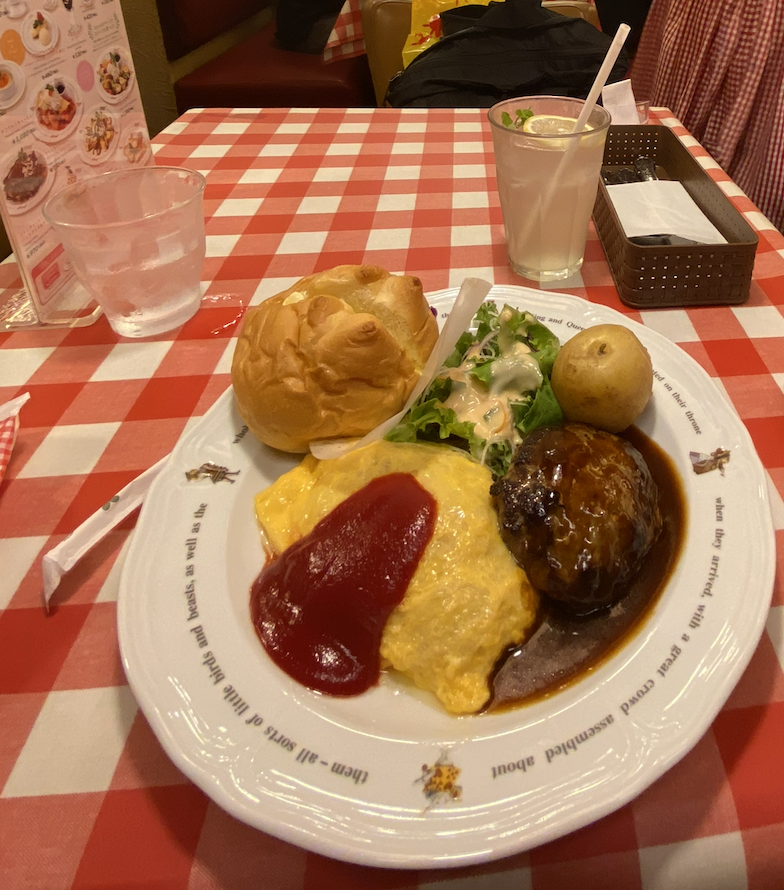
My favorite meal at Rakeru (Hamburg Steak and omurice with salad, bread, and a potato), Photo by Tokyo Becky
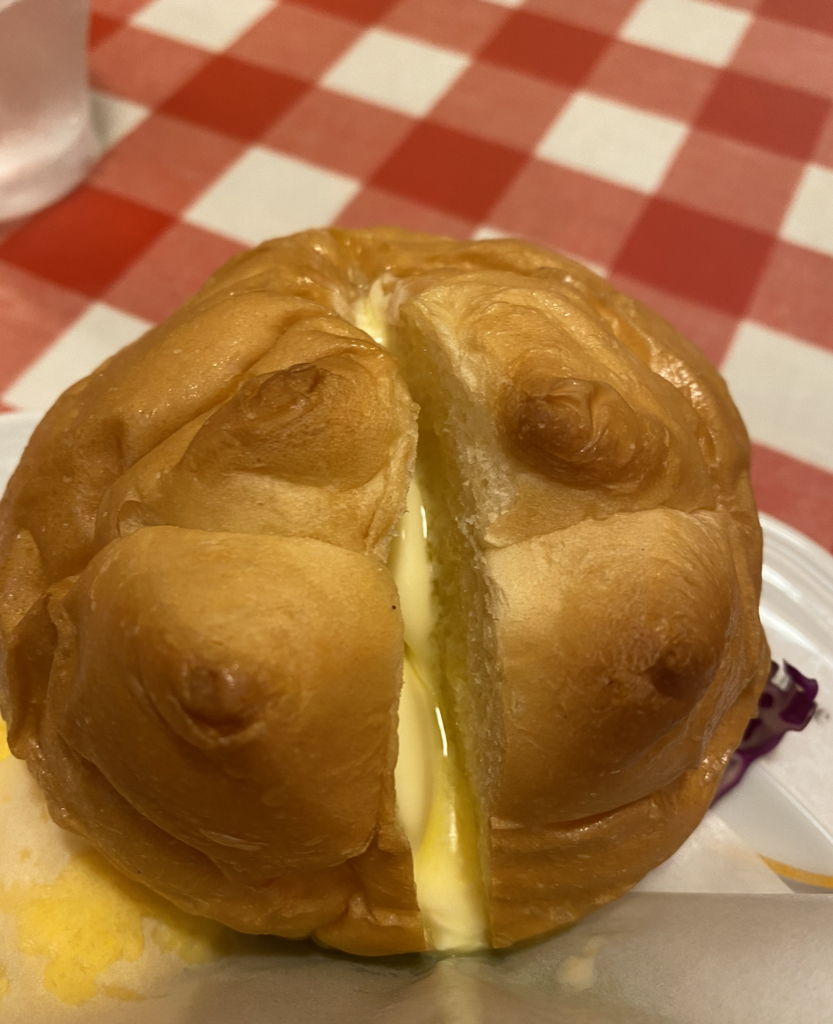
The softest, fluffiest bread in the world at Rakeru, Photo by Tokyo Becky
3. Matsuya: One of the Cheapest Meals in Japan
Matsuya is a gyudon chain (a beef bowl chain) and it does one thing brilliantly: thin-sliced beef simmered in a sweet, savory sauce and piled over white rice, for a price that will make you laugh out loud. This is another meal that I don’t miss when I am in Japan for its sheer convenience and cost to value ratio. Founded in Tokyo in 1966, Matsuya is now one of the three giants of the gyudon world, alongside Yoshinoya and Sukiya (see below). The key difference: Matsuya serves its gyudon with miso soup included as standard.
One thing that makes Matsuya particularly accessible for visitors: the ordering machines at the entrance have full English support, so you can browse the entire menu, select your bowl, pay, and collect your ticket without needing a word of Japanese. You cannot order at the table (everything goes through the machine) but with English fully available, that is no barrier at all. Take your ticket to the counter and wait until the number on your ticket is called or, in smaller locations, the staff bring the bowl to you. It is extraordinary that something this efficient can also be this good. There is also always a water and tea station where you can drink as much as you want for free.
What to order: The classic gyudon with a raw egg stirred in is the essential starting point, but do not overlook the kimchi gyudon (beef bowl topped with fermented kimchi which adds a bright, tangy heat that works brilliantly against the sweetness of the broth). It has become my personal order every time I walk through the door.
The Matsuya Logo, Photo by Tokyo Becky
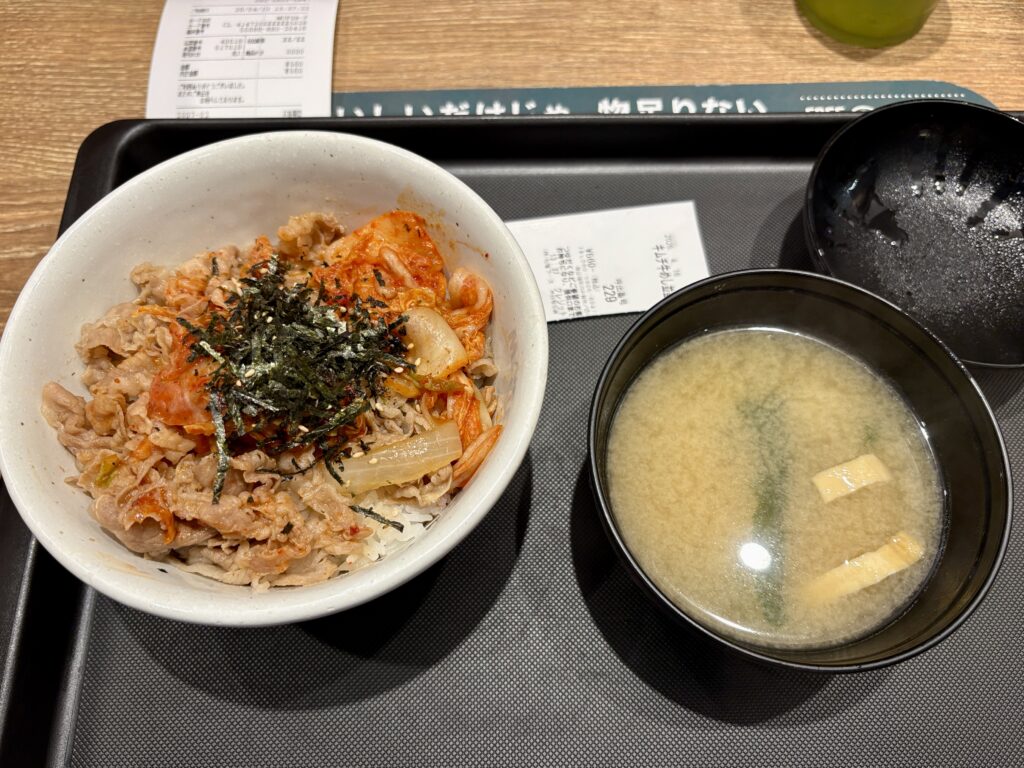
The Kimchi Gyudon Bowl at Matsuya for 560 yen (my favorite), Photo by Tokyo Becky
4. Sukiya: The Gyudon Chain That Never Closes
Sukiya is another entry in the gyudon wars, and the one that has perhaps the broadest reach with over 1,900 locations across Japan, it is the largest beef bowl chain in the country by outlet count. Founded in Yokohama in 1982, Sukiya distinguishes itself with a wider menu than its rivals: alongside the core gyudon you will find curry, cheese toppings, kimchi, and a breakfast menu that runs from 5am. Many locations are open 24 hours. When it is 2am, you are hungry, and there is nothing else, Sukiya is there for you, and it will do a very good job.
What to order: The cheese gyudon (a regular gyudon with melted cheese on top) is a level above the standard, and you will not regret it.
The Sukiya Logo, Aleister Kelman, Wikimedia Commons
5. Saizeriya: The Japanese Take on Italian Food (and It’s Super Cheap!)
Saizeriya is the most remarkable value proposition of any restaurant chain I have ever encountered, in any country. It is an Italian family restaurant that serves pasta, pizza, gratin, risotto, and salads at prices so low they feel like a misprint. A glass of house wine costs under 200 yen. A plate of pasta is rarely above 400 yen. The full menu for two people, with drinks, will usually come in under 2,000 yen. Founded in 1973 in Chiba, Saizeriya built its model on extraordinary supply chain efficiency and enormous volume. It is also where Japanese families, students, and salarypeople go for a casual evening out and where plenty of people set up with a book or their laptop and stay for hours.
That is largely thanks to the all-you-can-drink soft drink bar, known in Japanese family restaurants as the Drink Viking: unlimited self-serve coffee, tea, juice, and soft drinks for a small flat fee. Order a glass of wine to start, switch to the drink bar, and you have a very comfortable evening ahead of you for almost nothing. Saizeriya is where I first discovered arrabbiata — the punchy, chili-spiked tomato pasta that is now one of my favorite things to eat in any Italian restaurant, and the fact that I found it here, at this cheerful budget chain, still makes me smile. If you love spicy food, do not miss it. Once you are done with your pasta, order the cinnamon bread for dessert. It is not remotely Italian, it is addictive, and it costs almost nothing. Saizeriya is like that: cheap, quirky, and impossible not to love, except for actual Italians with higher standards.
What to order: The arrabbiata pasta if you like heat, a glass of house wine (under 200 yen (yes, really)), and the cinnamon bread to finish. Sign up for the Drink Viking and stay as long as you like. Nobody will rush you unless it’s one of the Saizeriya locations that is extremely popular.
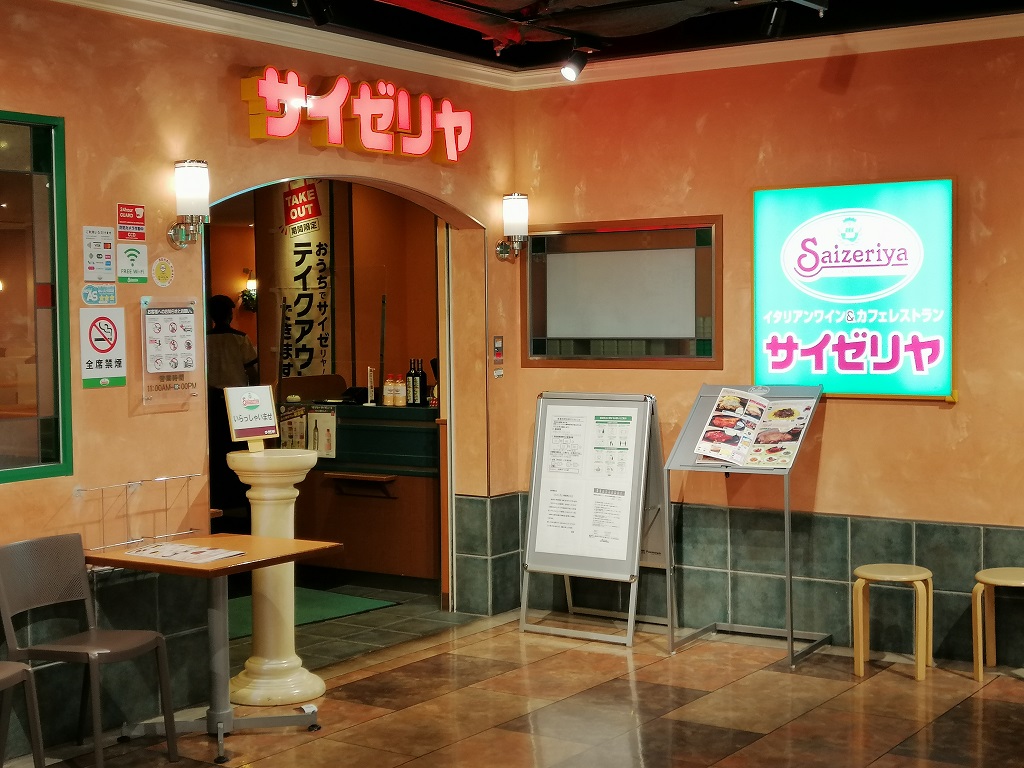
The entrance to a Saizeriya in Nagoya, HQA02330, Wikimedia Commons
6. Jonathan’s: The Dependable Family Restaurant
Jonathan’s is a family restaurant chain operated by Skylark Group, one of the giants of Japanese casual dining. Originally launched in 1976, Jonathan’s specializes in the broad, all-day menu format: morning sets, pasta, hamburger steaks, curry, parfaits, and an extensive drink bar included with most meals. The drink bar (an unlimited self-serve station of coffee, tea, juice, and soft drinks) is one of Japan’s great small pleasures and the reason many people sit in Jonathan’s for three hours on a Sunday afternoon. The food is solidly good, the portions are generous, and the atmosphere is low-key and family-friendly. If you need somewhere to sit, recharge, and eat a proper meal at any hour, Jonathan’s will always have a table.
What to order: The hamburg steak with demi-glace sauce, a side of garlic bread, and full use of the drink bar. Take your time.
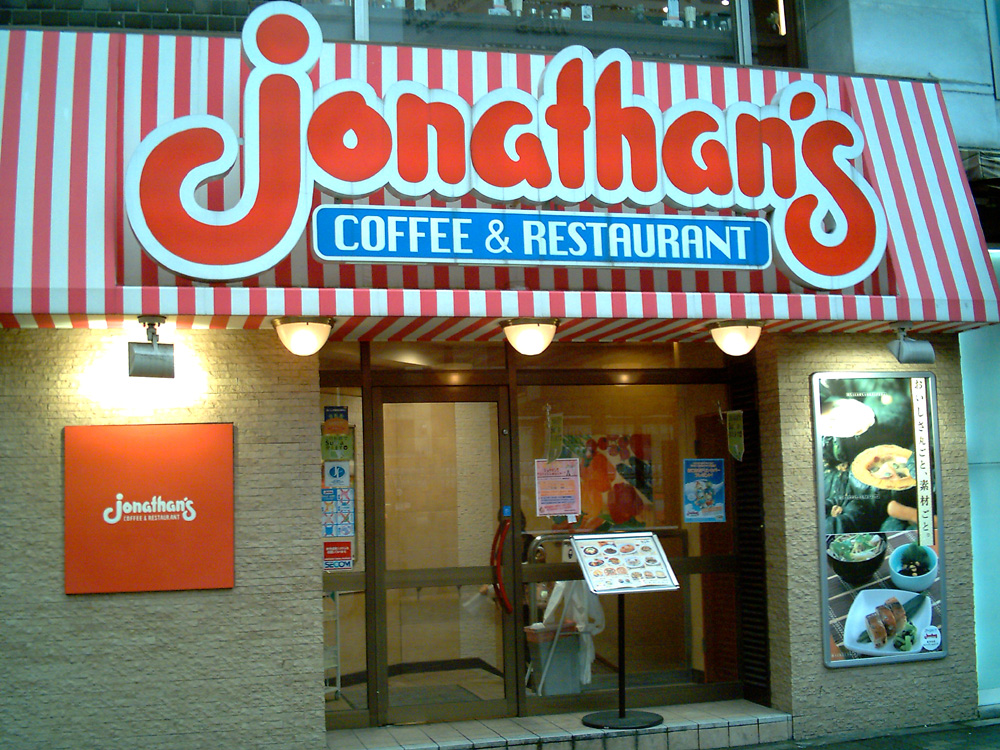
The entrance to a Jonathan’s restaurant in Japan, Public Domain
7. Bamiyan: Chinese Food for Everyone
Bamiyan is another Skylark Group chain — Japan’s most popular Chinese family restaurant, founded in 1986. The menu covers all the Chinese-Japanese favorites: gyoza, mapo tofu, fried rice, dumplings, noodle soups, and a rotating selection of seasonal specials. The interiors lean gently into a Chinese aesthetic without going overboard, and the food is warm, satisfying, and consistently well-executed. But the thing that makes Bamiyan special (the thing that genuinely surprised me the first time I went) is the Peking duck. Tiny pieces of crispy-skinned Peking duck, served with pancakes, plum sauce, and sliced scallions for a completely reasonable price. It is the addictive menu item that always keeps me coming back for more.
The Bamiyan logo, Wikimedia Commons
8. Kurazushi: One of the Most Popular Sushi Conveyor Belt Chains
What to order: The salmon nigiri and the maguro (tuna). Order anything that catches your eye as it goes past. That is entirely the point. Have fun. There is even a new location that just opened in Shimokitazawa (my favorite neighborhood in Tokyo).
The Kurazushi Logo, Public Domain
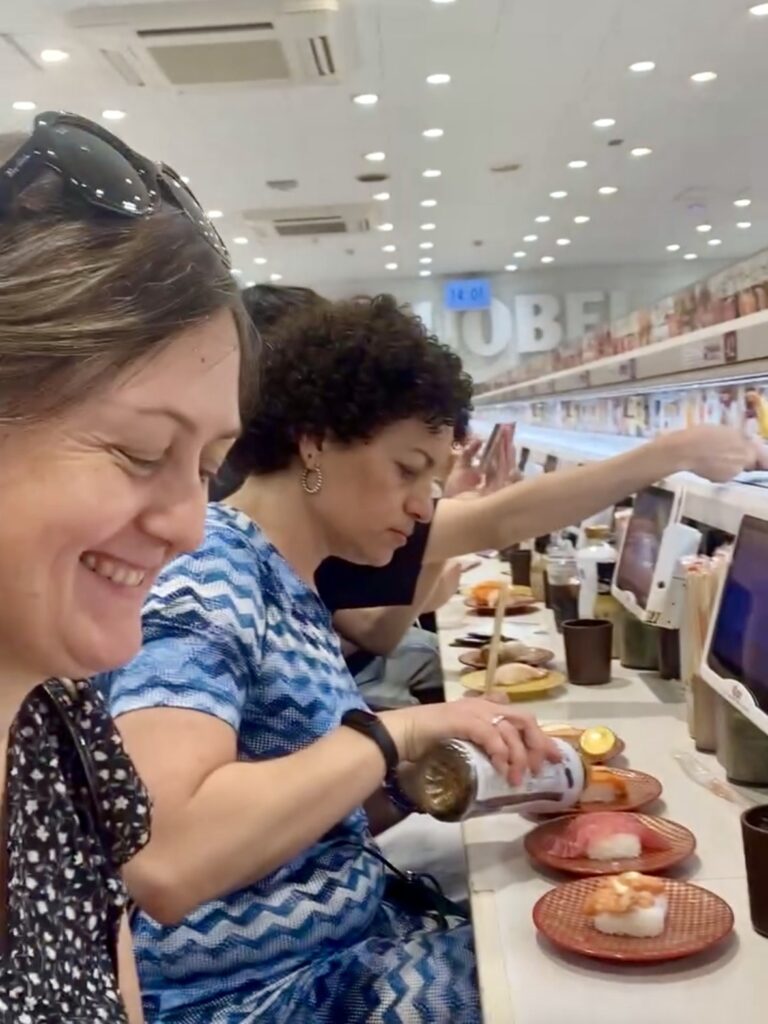
Watching my friends enjoying their first sushi conveyor belt experience in Tokyo, Photo by Tokyo Becky
9. Vie de France: Japanese Pastries in a French Style (Great for Grab & Go)
Vie de France is a Japanese bakery chain with a French soul. Founded in Tokyo in 1969, it was one of the first chains to bring proper European-style bread to Japan, at a time when Japanese bread culture was almost entirely dominated by the soft, sweet shokupan loaf. Today, Vie de France operates as a cafe-bakery hybrid, and the experience of shopping there is part of the joy: you pick up a tray and a pair of tongs at the entrance and work your way along the counter, loading up with whatever catches your eye.
The selection is a lovely mix of sweet and savory, with a distinctly Japanese twist that sets it apart from any European bakery you might compare it to. The curry pan (a deep-fried bread roll filled with Japanese curry) is one of my favorites and a genuine must-try. Anko-filled treats, made with sweet red bean paste, are another highlight, soft and subtly sweet in a way that grows on you quickly if you have never tried red bean paste before. Then, there are the hot dogs baked into bread rolls, which are exactly as whimsical and satisfying as they sound. Vie de France is the ideal grab-and-go stop: fast, cheap, and far more interesting than anything you will find in an airport or a Western train station bakery.
What to order: Grab the tongs and fill up your tray with a big variety of Japanese baked goods!

The Vie de France Logo, Fair Use
10. Coco Ichiban Curry: Homecooked Taste at a Great Price!
CoCo Ichiban (officially CoCo Ichibanya, universally shortened to Coco Ichi) is the largest curry restaurant chain in the world by outlet count, with over 1,400 locations in Japan alone. It was founded in Aichi Prefecture in 1978, and its genius is radical simplicity: you choose your base curry, your protein topping, your spice level (from 1 to 10, and level 5 alone will make your eyes water), and the size of your rice portion. The curry itself is a thick, Japanese-style roux-based sauce, slightly sweet and deeply comforting. Every bowl arrives with a side of fukujinzuke pickles and a small spoon for scraping the last of it up. I have eaten at Coco Ichi more times than I can count, at all hours of the day and night, and I have never once been disappointed.
What to order: The chicken cutlet curry (katsu curry), spice level 3 for your first visit. Order the cheese topping while you are at it. Come back the next day and go to level 5 if you dare. It should be said here that Japanese food is generally less spicy than most, so a level 3 here may not even seem spicy at all depending on your palate.
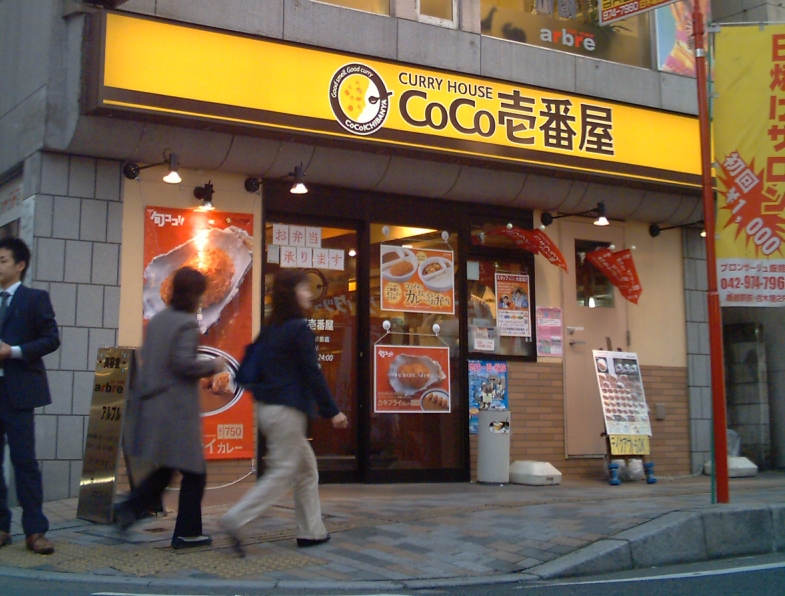
CoCo Ichiban Curry House, Public Domain
11. Mister Donut: Started in the US, Perfected and Beloved by Japan
The story of Mister Donut in Japan is one of the great underdog tales of the food world. The chain was founded in Boston in 1956 by Harry Winokur (the brother-in-law of Dunkin’ Donuts founder William Rosenberg, no less) and arrived in Japan in 1971 with its first store in Minoh, Osaka. Here is where things get interesting: rather than simply transplanting the American concept, the Japanese operator Duskin Co. secretly built a full-scale replica of a US Mister Donut inside their warehouse and invited staff to try it. The feedback was blunt. The counters were too high, the chairs too wide, the coffee cups too heavy, and the donuts too large and too heavily spiced for Japanese tastes. So Duskin changed everything: the menu, the atmosphere, the pricing, and the portion sizes. They repositioned Mister Donut not as a children’s snack shop but as a stylish cafe, and it became a sensation.
Meanwhile, back in the US, Dunkin’ Donuts acquired the Mister Donut brand in 1990 and converted most locations into its own stores. Mister Donut effectively ceased to exist in America. However, in Japan, where Duskin had secured the rights independently, it kept growing. Then, in 2003, the Pon de Ring was introduced, the mochi-dough donut that would make Mister Donut iconic all over again.

Strawberry Mochi flavor in the Pon de Ring style at Mister Donut, 毒島みるく, Wikimedia Commons
Today there are over 1,000 locations across Japan, while Dunkin’ Donuts tried and failed to compete in the Japanese market and withdrew entirely in 1998. The student became the master.
I will say this: the Mister Donut effect on visitors to Japan is real and well-documented. When my mom came to visit, she discovered Mister Donut on her first evening and promptly made it her nightly ritual, heading out each evening to stock up on donuts for the following morning. I could not pull her away. There is something about the combination of the cozy atmosphere, the perfectly sized portions, and the sheer variety of flavors that turns first-timers into devotees almost immediately.
What to order: The Pon de Ring, in whatever flavor is seasonal. Get at least two. Sit down with a coffee and take your time or stock up for tomorrow morning, as my mom would say.
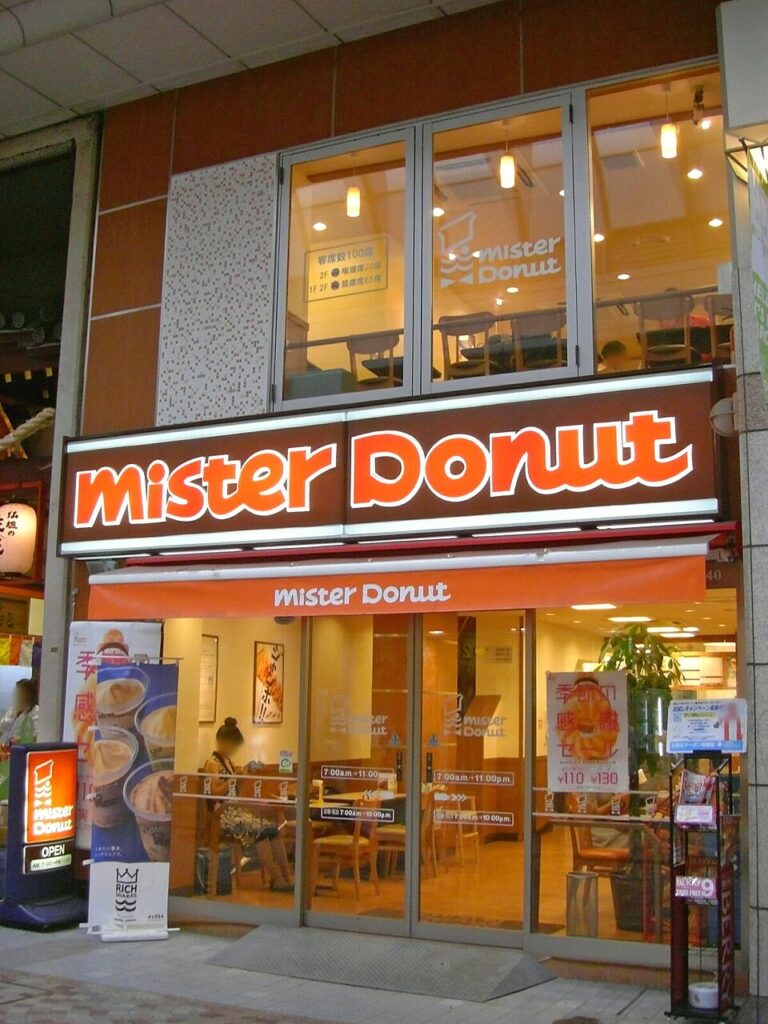
Mister Donut in Sendai, Japan, Kuha455405, Wikimedia Commons
12. First Kitchen: The Burger Chain That Does Its Own Thing
First Kitchen is a Japanese fast food chain that has been doing its own thing since 1977, when it opened its first location in Shinjuku. Unlike its international competitors, First Kitchen built its menu around Japanese tastes: pasta is a major category, alongside burgers, fried chicken, and a range of drinks. In 2016, First Kitchen merged with Wendy’s Japan to become Wendy’s First Kitchen, bringing the American chain’s square beef patties to a Japan-only partnership that has not been replicated anywhere else in the world. The result is an oddly specific menu that offers Japanese pasta carbonara alongside a Wendy’s Baconator, and somehow, this is entirely fine. First Kitchen has a loyal following because it is genuinely good at the things it specializes in: freshly ground beef burgers and crispy, properly seasoned pasta dishes. I personally love First Kitchen for the dipping sauces and the flavored powdered fries.
What to order: The Wendy’s-style double burger if you want something hearty, or the pasta of the day if you want to lean into the First Kitchen side of things. The fries are excellent with the dipping sauces. I will say that this is not a must-visit. If you are thinking of burgers in Japan, you should try Mos Burger.
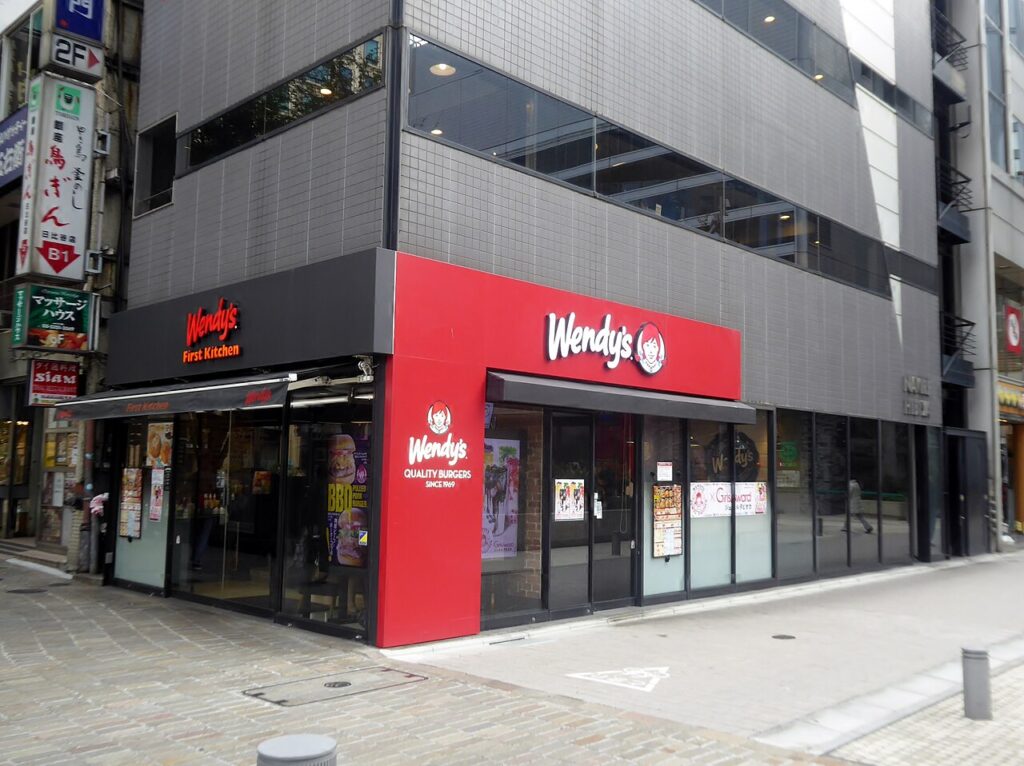
Wendy’s First Kitchen Hibiya Chanter-mae store in Tokyo, Tokumeigakarinoaoshima, Wikimedia Commons
13. Ichiran: The Ramen Chain Built for the Art of Solo Eating
Ichiran is a ramen philosophy. Founded in Fukuoka in 1960, Ichiran pioneered a style of eating that Japan has since made iconic: the solo booth. You enter, you order at a vending machine, you take a seat at a wooden booth with a partition on either side and a bamboo curtain in front of you. Behind that curtain is the kitchen. You fill out a small paper form indicating exactly how you want your ramen: richness of the broth, firmness of the noodles, amount of garlic, presence of green onions, and spice level. You slide the form under the curtain. The curtain rises briefly, a bowl of tonkotsu ramen appears, and the curtain drops again. You eat in complete, focused silence, alone with your bowl.
The ramen itself is outstanding. Ichiran’s tonkotsu broth is a cloudy, deeply porky, slow-simmered affair, topped with a slice of chashu pork, a brushstroke of Ichiran’s secret red spice sauce, and perfectly cooked noodles. It is not the cheapest bowl in Japan, but it is one of the best. When you finish, you can order extra noodles (kaedama) to drop into the remaining broth.
The Ichiran Logo, Wikimedia Commons
What to order: The original tonkotsu ramen, spice level 3, with extra garlic and firm noodles. If you’re still hungry, you can add a kaedama at the end.
How Much Does It Cost to Eat at Japanese Chain Restaurants?
| Chain | Cuisine Type | Average Meal Cost (yen) | Best For |
|---|---|---|---|
| Ootoya | Japanese teishoku | 900-1,200 | A proper Japanese set meal |
| Rakeru | Omurice and bread | 1,200-1,700 | KUKU omurice and Lake District charm |
| Matsuya | Gyudon | 400-700 | Fastest cheap meal in Japan |
| Sukiya | Gyudon | 400-750 | Late nights, 24-hour access |
| Saizeriya | Italian-Japanese | 600-1,200 | Best value for money, anywhere |
| Jonathan’s | Family restaurant | 800-1,500 | Lingering over the drink bar |
| Bamiyan | Chinese-Japanese | 700-1,500 | Peking duck at a family restaurant |
| Kurasushi | Conveyor belt sushi | 800-1,500 | Sushi and a tiny toy |
| Vie de France | French bakery / cafe | 300-1,000 | A pastry between trains |
| Coco Ichiban Curry | Japanese curry | 700-1,500 | Customizable curry perfection |
| Mister Donut | Donuts and coffee | 150-500 | The Pon de Ring and a coffee |
| First Kitchen | Burgers and pasta | 700-1,200 | The Japan-Wendy’s crossover |
| Ichiran | Tonkotsu ramen | 900-1,200 | A solo booth and a perfect bowl |
Prices are approximate and will vary by location and menu selection. All prices in Japanese yen.
Are Japanese Chain Restaurants Worth Eating At?
Absolutely, and without any of the self-consciousness that sometimes comes with eating at a chain restaurant elsewhere in the world. Japan does not treat its chain restaurants as a lesser category of food. The standards are high, the value is extraordinary, and the variety covers everything from raw fish to ramen to Peking duck to a flaky croissant eaten standing up in a train station. You could eat every meal of a two-week trip at Japanese chain restaurants and come home with a list of favorites you would miss.
My personal non-negotiables: Rakeru at least once, Coco Ichiban on a cold day, and Matsuya whenever I need proof that tasty food does not have to cost much at all. Start with those three and build your own list from there.
Let u know which Japanese food chain is your favorite in the comments!
Frequently Asked Questions: Cheap Eats at Japanese Chain Restaurants
What is the cheapest chain restaurant in Japan?
Matsuya and Sukiya are consistently among the cheapest chain restaurants in Japan with a full gyudon (beef bowl) meal costing between 400 and 700 yen. Saizeriya is the cheapest family restaurant, with pasta dishes from around 300 yen and house wine for approximately 200 yen per glass.
What is Ichiran ramen and why is it famous?
Ichiran is a Japanese tonkotsu ramen chain founded in Fukuoka in 1960. It is famous for its solo dining booths, where each customer eats behind a wooden partition and bamboo curtain, ordering their ramen via a customization form that specifies broth richness, noodle firmness, spice level, and toppings. The ramen itself is a slow-cooked pork bone broth with chashu pork and a signature red spice sauce. Ichiran has locations across Japan and is considered one of the best ramen chain experiences in the country.
What is Coco Ichiban curry?
Coco Ichiban (CoCo Ichibanya) is the world’s largest curry restaurant chain by outlet count, with over 1,400 locations in Japan. Founded in Aichi Prefecture in 1978, it serves Japanese-style curry, a thick, roux-based sauce that is sweeter and milder than Indian curry, with customizable spice levels from 1 to 10, a wide range of protein toppings, and adjustable rice portion sizes. The most popular order is the chicken katsu (fried chicken cutlet) curry.
What is gyudon and which Japanese chain does it best?
Gyudon is a Japanese beef bowl: thinly sliced beef and onions simmered in a sweet and savory dashi-based sauce, served over steamed white rice. The three major gyudon chains in Japan are Yoshinoya, Matsuya, and Sukiya. Matsuya includes miso soup with every order as standard, making it particularly good value. Sukiya has the widest network with over 1,900 locations with many open 24 hours. A gyudon meal at any of these chains typically costs between 400 and 700 yen.
What is the Pon de Ring at Mister Donut?
The Pon de Ring is Mister Donut Japan’s signature donut, made from a mochi-based dough that gives it a chewy, stretchy texture unlike a conventional fried donut. It is shaped as a ring of connected dough balls and comes in a range of flavors including plain, chocolate, and rotating seasonal varieties such as sakura in spring and sweet potato in autumn. It is widely considered one of the most distinctive donut products in the world and is the main reason to visit Mister Donut in Japan.
How does Kurasushi (Kura Sushi) work?
Kurasushi is a kaiten-zushi (conveyor belt sushi) chain founded in Osaka in 1977. Customers sit at a conveyor belt and order sushi via a touchscreen tablet, with plates delivered directly to their seat. Each plate is sealed under a clear plastic dome to maintain freshness. Every five empty plates fed into the slot at the table unlocks a digital gacha game where customers can win small capsule prizes. Plates typically cost between 110 and 165 yen each.
Is Saizeriya really as cheap as people say?
Yes. Saizeriya is genuinely among the cheapest sit-down restaurants in Japan. Pasta dishes start at around 300 yen, pizza from around 400 yen, and a glass of house wine costs under 200 yen. A full meal for two people with drinks regularly comes in under 2,000 yen total. Highlights include the arrabbiata pasta (a spicy tomato and chili sauce), the cinnamon bread dessert, and the all-you-can-drink soft drink bar (known as the Drink Viking) which makes Saizeriya a popular spot for students and readers who want to stay for hours. Saizeriya achieves its low prices through highly efficient supply chain management and very high volume, and the food is considerably better than the prices suggest.
Are Japanese chain restaurants worth visiting as a tourist?
Yes, without reservation. Japanese chain restaurants offer a genuine window into how Japanese people eat every day, at prices that make dining budgets go much further. Ichiran ramen, Coco Ichiban curry, and Kurasushi conveyor belt sushi are all experiences worth seeking out specifically as a visitor to Japan, not just as budget options. Most chains offer photo menus or English-language tablets, which makes ordering easy without any Japanese language skills.




0 Comments