
One of the most fascinating things about my 13 years living in Japan is that the country was constantly finding small ways to improve everyday life. Today, many visitors arrive expecting futuristic robots, bullet trains, and neon-lit cities. While those things certainly exist, the real magic of living in Japan often comes from the tiny conveniences that you barely notice at first.
Then one day, you travel abroad and suddenly realize how much you miss them. I still walk around other countries looking and praying to find some of the same practices that I found in Japan.
Why isn’t every public restroom this clean? Why am I putting my bag on the floor? Why can’t I find a locker? Why is opening a plastic package suddenly such a battle?
These are the moments when you realize that Japan has quietly solved dozens of small problems that the rest of the world simply accepts as normal. After years of living in Japan, many of these conveniences become second nature and then impossible to live without.
Here are nine everyday innovations that make living in Japan such a unique experience. When you visit next time, be on the lookout for them and get ready to smile and breathe a huge sigh of relief!
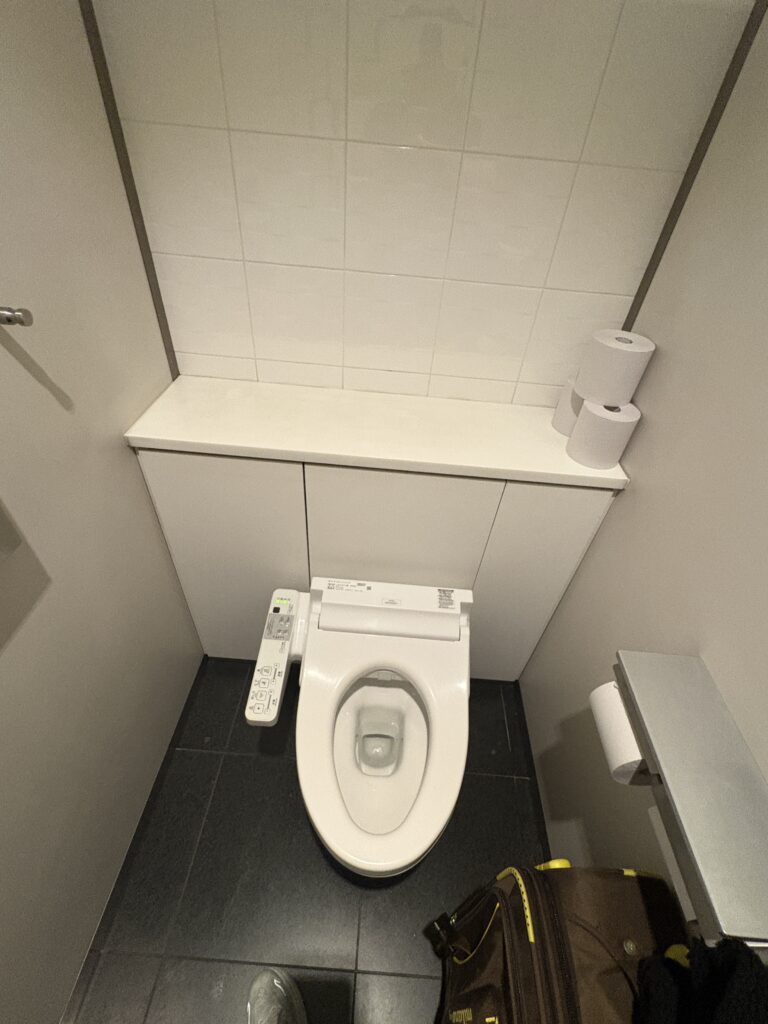
1. The Japanese Toto Toilet
No discussion about living in Japan would be complete without talking about the legendary Japanese toilet with fanciest coming from the company Toto.
The first thing many visitors notice is the incredible level of cleanliness. Public restrooms in Japan are often among the cleanest restrooms you will ever encounter. The toilet stalls themselves are frequently hidden behind doors that stretch almost to the floor and nearly to the ceiling. Unlike the short partitions common in the United States and many other countries, Japanese stalls provide genuine privacy.
Then comes the heated toilet seat.
It sounds unnecessary until you experience it for yourself. Especially during winter, sitting down on a warm toilet seat feels surprisingly luxurious. Suddenly, the entire bathroom experience becomes calmer and more comfortable.
Toto toilets don’t stop there.
Many include self-cleaning features, built-in bidets with adjustable pressure settings, automatic lids, and touchless flushing systems. Many play running water sounds so nobody hears you peeing. Others play music. Many modern models flush automatically when you stand up.
The result is a bathroom experience so refined that you begin to wonder why the rest of the world hasn’t copied it.
I even visited one of the public toilet projects in Tokyo that gained international attention. Sponsored in part by Japanese companies and spearheaded by the son of the founder of Uniqlo (see below), these beautifully designed restrooms transformed public toilets into works of architecture. Walking into one felt less like entering a public restroom and more like stepping into a carefully designed art installation. It was one of those moments where living in Japan reminded me that even the most ordinary aspects of life can be improved through thoughtful design.
2. Oshibori (おしぼり)
One of Japan’s simplest innovations is also one of its most effective.
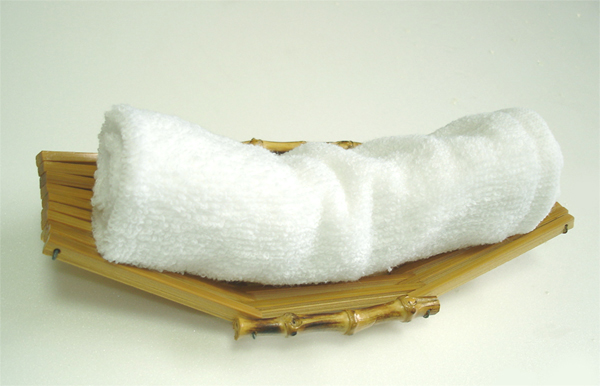
When you sit down at a restaurant, you are often handed an oshibori (おしぼり), a small wet towel used for cleaning your hands before eating. If you’re lucky, a warm oshibori will be provided (often served in upscale restaurants).
That’s it.
It sounds almost too simple to be worth mentioning here but somehow it changes everything.
Whether the towel is warm in winter or refreshingly cool during the summer, using an oshibori instantly makes you feel refreshed. It also quietly solves a problem many restaurants elsewhere ignore: making sure customers clean their hands before touching their food.
In Japan, you don’t need to get up and find the restroom after being seated. The towel is simply handed to you, you wipe your hands, and you’re ready to eat.
After years of living in Japan, you begin to expect this tiny act of hospitality everywhere. Then, you travel abroad and realize how rare it actually is. Tissues from your purse just aren’t the same.
3. Baskets and Hooks for Your Bag
One of Japan’s most underrated innovations might be sitting right beside your chair and you don’t even realize.
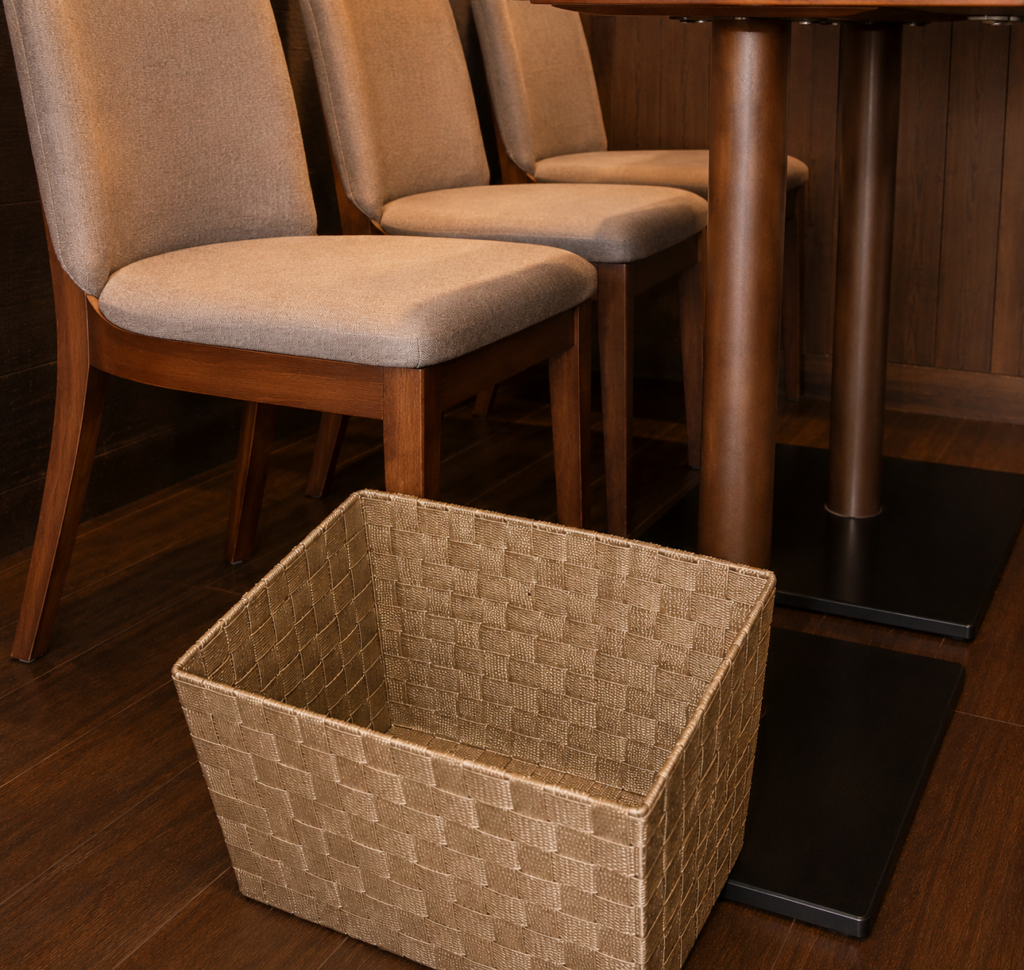
Walk into many Japanese restaurants, cafes, schools, offices, and waiting rooms, and you’ll find a basket or box placed next to your seat specifically for your bag. This is called nimotsu-oki (荷物置き) in Japan.
Sometimes it’s a small basket and sometimes it’s simply a hook mounted underneath the table.
Whatever form it takes, the purpose is the same: your bag doesn’t have to touch the floor. This is because placing a bag on the ground is considered bad luck in Japan.
When you think about it, this is completely logical. Bags collect enough dirt and germs during daily life without being tossed onto restaurant floors. You might put your bag on the floor at a restaurant and then come home and put it on your bed (completely gross when you think about it).
However, in many countries, people routinely place expensive purses, backpacks, and briefcases directly on the ground.
After living in Japan, you start instinctively looking for a basket every time you sit down. When you can’t find one, you suddenly realize how much sense the Japanese approach makes.
World, please adopt this.
4. The Hamburger Wrapper
This might be one of my personal favorites.
Many hamburger restaurants in Japan provide a specially designed wrapper that allows you to hold and eat your burger inside a paper sleeve.
The first time you use one, you immediately ask yourself why this isn’t standard everywhere.
The wrapper keeps grease off your hands, prevents sauces from dripping onto your clothes, and makes the entire eating experience significantly less messy.
I’ve also been told there’s another benefit.
Supposedly, the wrapper helps shield your dining companion from witnessing your mouth opening impossibly wide as you attempt to conquer a towering burger.
Whether or not that was the original purpose, it certainly works. You get a little burger privacy while also keeping your hands clean.
Trying to replicate this with a couple of napkins is simply not the same thing.
Hamburger wrappers for life.
5. Packaging That Actually Opens
If you’ve spent time living in Japan, you’ve probably noticed something unusual about packaging. There is an easy way to open plastic packaging and it’s fairly standard across packaging around the country.
Many plastic-wrapped items feature clearly marked tear lines and intuitive opening systems. Pull here. Tear there. Done. You don’t need scissors. You don’t need to go scrambling for a knife. You won’t accidentally launch the contents across the room.
Whenever I return to other countries, I am reminded how often packaging seems designed to be as difficult as possible to access, yet Japan somehow managed to turn opening packaging into a satisfying experience.
Of course, there are still environmental concerns surrounding plastic use, and Japan continues to grapple with those issues. However, from a usability perspective, the attention paid to packaging design is remarkable.
6. Lockers, Lockers Everywhere
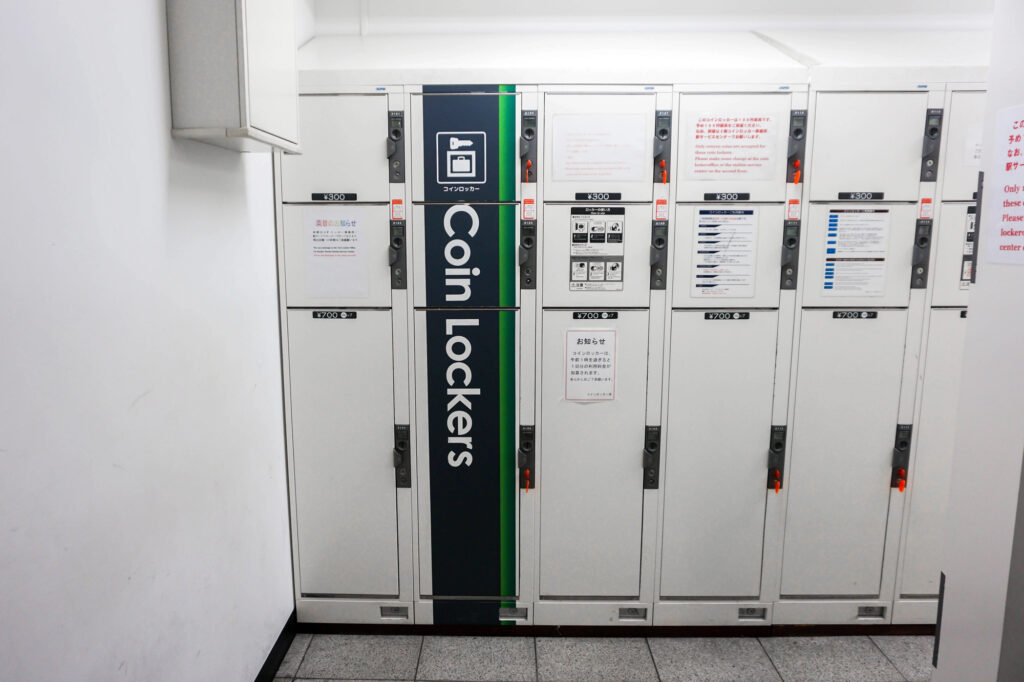
One of the greatest conveniences of living in Japan is the abundance of coin lockers. They are almost as abundant as vending machines.
Need to store your luggage while sightseeing? There’s probably a locker nearby. Bought too many souvenirs? There’s a locker for that.
Want to go for a run after work and want to keep your things secure? You can store it in a locker.
Major train stations throughout Japan such as Shinjuku often contain hundreds of lockers in various sizes. While fees can add up if you leave items too long, the convenience is undeniable. The system reflects something important about Japanese design philosophy: making life easier for people moving through busy cities.
Instead of forcing everyone to carry their belongings all day, Japan provides practical solutions. Drop your bags off. Explore freely. Enjoy your day. It’s a small convenience that dramatically improves the travel experience.
7. The Magic Carrying Handle
This is one of those moments that leaves first-time visitors speechless.
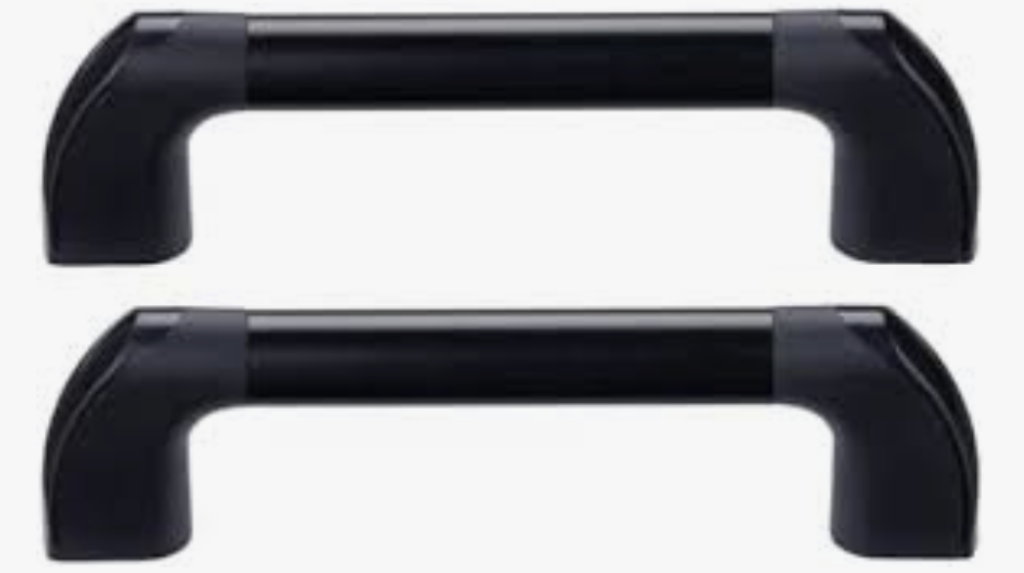
Imagine buying a large electric fan, appliance, or heavy box. You expect to awkwardly carry it home while struggling through train stations and crowded sidewalks. Instead, a store employee disappears behind the counter.
A few moments later, they emerge with a machine that quickly wraps sturdy plastic straps around the box. Then they attach a handle that connects to those straps. Suddenly, the bulky package transforms into something that feels like a suitcase. The difference is incredible. Instead of hugging a large box to your chest and fighting gravity all the way home, you simply carry it by the handle.
The first time this happened to me while living in Japan, I stared at the package in disbelief. The solution was so obvious and yet I had never seen it before. It’s exactly the kind of thoughtful customer service that makes daily life in Japan feel easier.
8. Uniqlo and Comfortable Clothing
Few brands are as closely associated with modern Japan as Uniqlo.
For many people living in Japan, Uniqlo becomes a regular part of life because it solves practical problems at affordable prices. I love it so much that I created a Uniqlo Japan shopping guide.
Need clothing that keeps you cool during Japan’s humid summers? Uniqlo has that. Would you like lightweight layers for winter Come to Uniqlo. If you need affordable basics that actually fit well, Uniqlo has that too.
The company began in Hiroshima and grew from a small family business into a global retail giant. Today, its innovations like AIRism and Heattech have become household names. One of the most surprising things about living in Japan is how quickly Uniqlo starts taking over your wardrobe. You buy one shirt, then a jacket, and then a few pairs of pants. Before long, half your closet seems to have come from the same store.
There’s a reason for that. The clothes are comfortable, practical, and reasonably priced. That’s a combination that’s difficult to resist. Uniqlo is so practical that it has slowly taken over the world, and I think it’s a good thing.

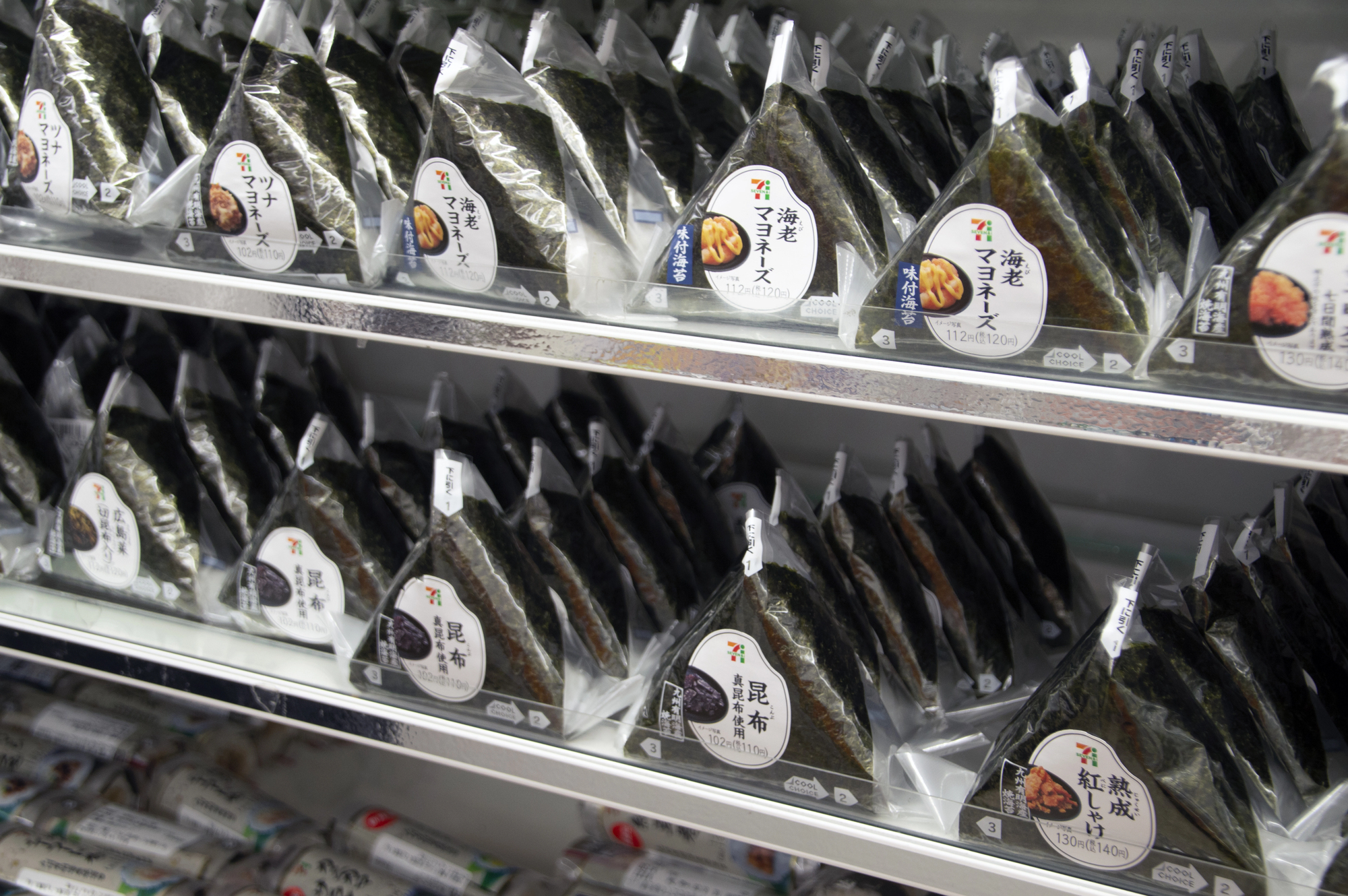
9. Onigiri – The Perfect Portable Meal
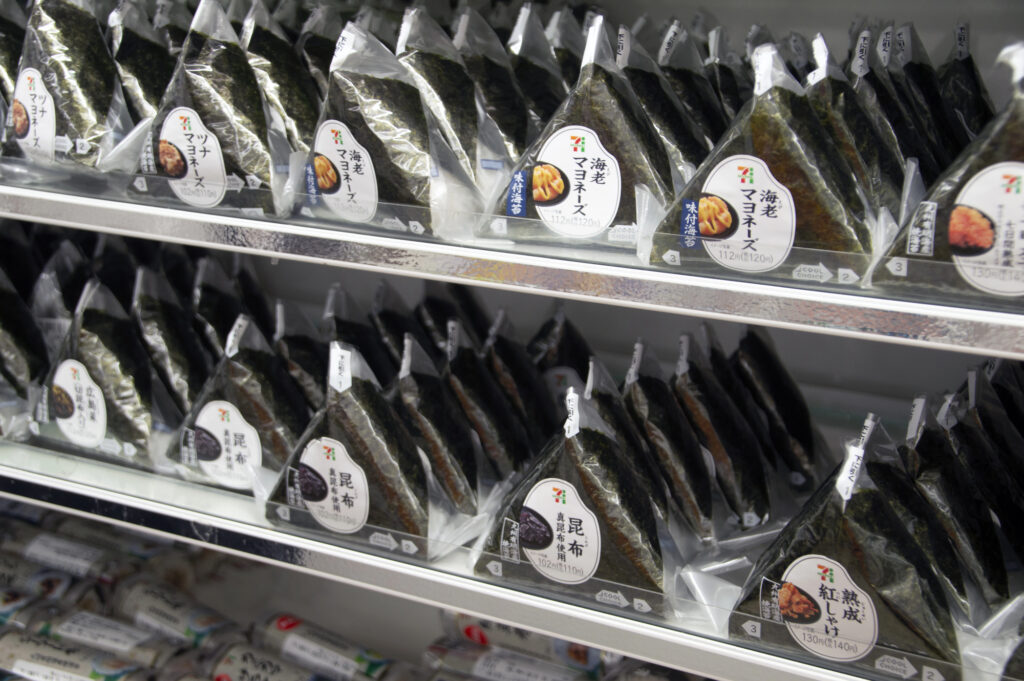
A friend once charmingly described onigiri as “rice triangles.” For anyone living in Japan, onigiri quickly becomes one of the most convenient foods imaginable.
Available at virtually every convenience store (an element of living in Japan so convenient that it deserves its own post), onigiri consists of rice shaped into a portable triangle or cylinder, usually wrapped in seaweed and filled with ingredients such as salmon, tuna mayonnaise, pickled plum, kombu, or spicy cod roe.
They’re both affordable and portable and surprisingly filling. They’re also easy to carry in your pocket or bag for later. The modern convenience-store version is a masterpiece of packaging design. The seaweed stays separate until the moment you open it, which preserves its texture and freshness.
Historically, rice balls have existed in Japan for centuries. Long before convenience stores, travelers, workers, and soldiers carried rice balls because they were easy to transport and provided reliable energy. Even today, onigiri are frequently distributed during emergencies and natural disasters because they are practical, compact, and simple to prepare in large quantities.
It’s difficult to think of another food that combines convenience, portability, affordability, and tradition so effectively.
The World Should Copy These Living in Japan Moments
The longer you spend living in Japan, the more you realize that the country’s greatest innovations aren’t necessarily the flashy ones.
They’re the little things: the heated toilet seat that brightens a winter morning, the locker waiting exactly where you need it, or the onigiri tucked into your bag for later.
Each innovation solves a small problem. Individually, they seem insignificant but, together, they create a daily experience that feels smoother, cleaner, and more thoughtful.
Perhaps, that’s the secret of living in Japan: not that life is perfect, but that countless small details have been carefully designed to make everyday life just a little bit better.
The result is a country that constantly leaves both residents and visitors asking the same question:
“Why doesn’t the rest of the world do this too?”



0 Comments