
Affiliate disclosure: This post contains affiliate links. If you make a purchase through one of these links, I may earn a commission at no extra cost to you.
Shibuya is one of those places that seems to contain several versions of Tokyo at once.
Within a few minutes’ walk, you can stand in the middle of one of the world’s most famous pedestrian crossings, shop for the latest Japanese fashion, browse Nintendo and Pokémon merchandise, drink in a tiny postwar alleyway, walk through a love hotel district, eat almost every type of Japanese food imaginable, and look across Tokyo from a rooftop 229 meters above the city.
The Shibuya of today is vastly different than the Shibuya I first met in September 2004, and it continues to change.
Huge redevelopment projects around Shibuya Station have given the neighborhood an entirely new skyline and added places such as SHIBUYA SKY, Shibuya Stream, and Shibuya Sakura Stage. At the same time, places like Hachiko, SHIBUYA109, Center-gai, Dogenzaka, and Nonbei Yokocho continue to give Shibuya its distinctive personality.
If you’re visiting Tokyo for the first time, I recommend giving Shibuya at least half a day. A full day is much better if you want to shop, eat, explore the smaller streets, go up SHIBUYA SKY, and stay long enough to see the neighborhood transform after dark.
This guide covers 25 of the best things to do in Shibuya in 2026 followed by a one-day walking itinerary designed to keep you from constantly crossing back and forth across the neighborhood. Trust me, this place is huge and CROWDED, so walking around in an efficient way will save you lots of time. Let’s dive in!
1. Cross Shibuya Scramble Crossing
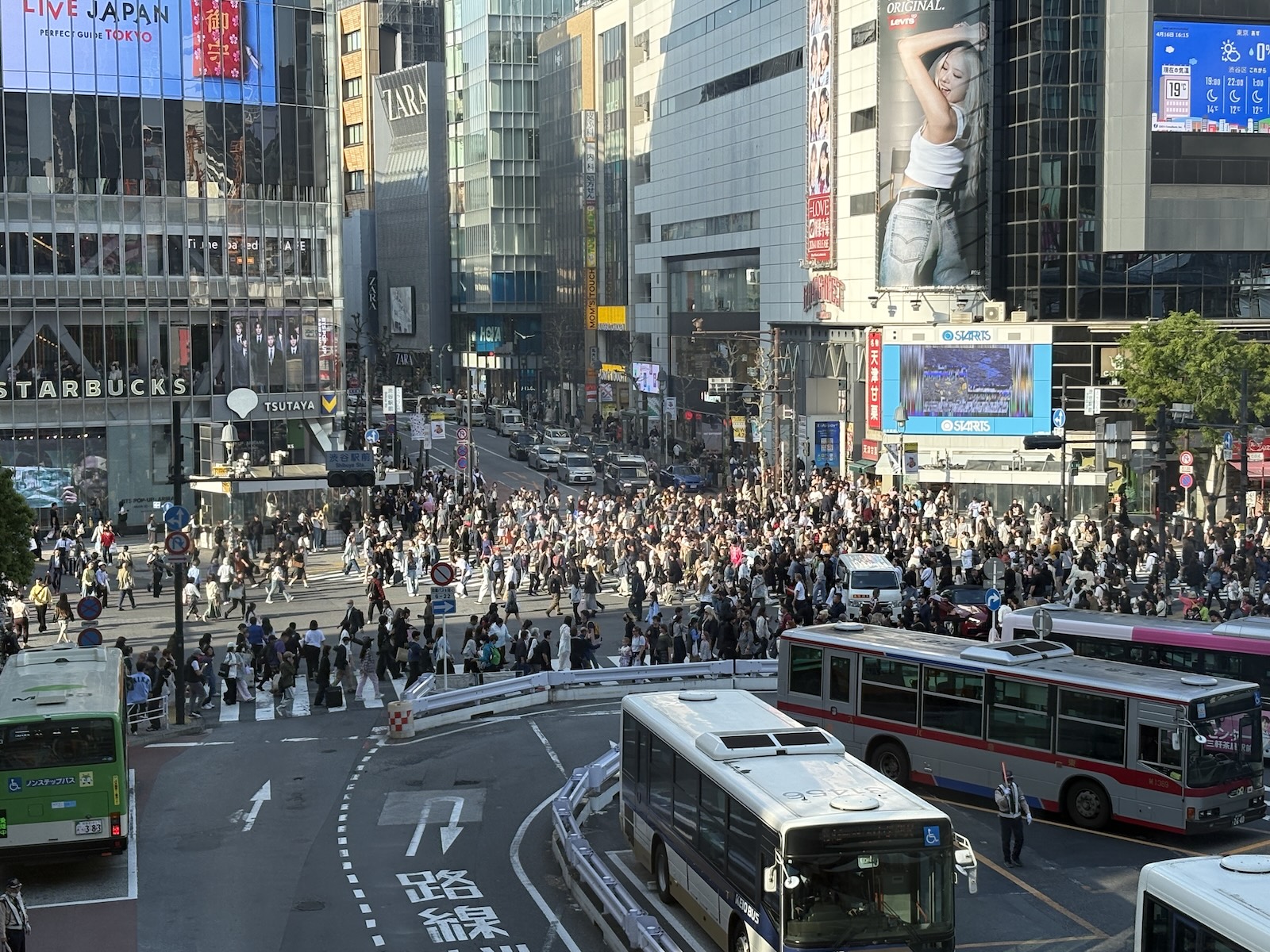
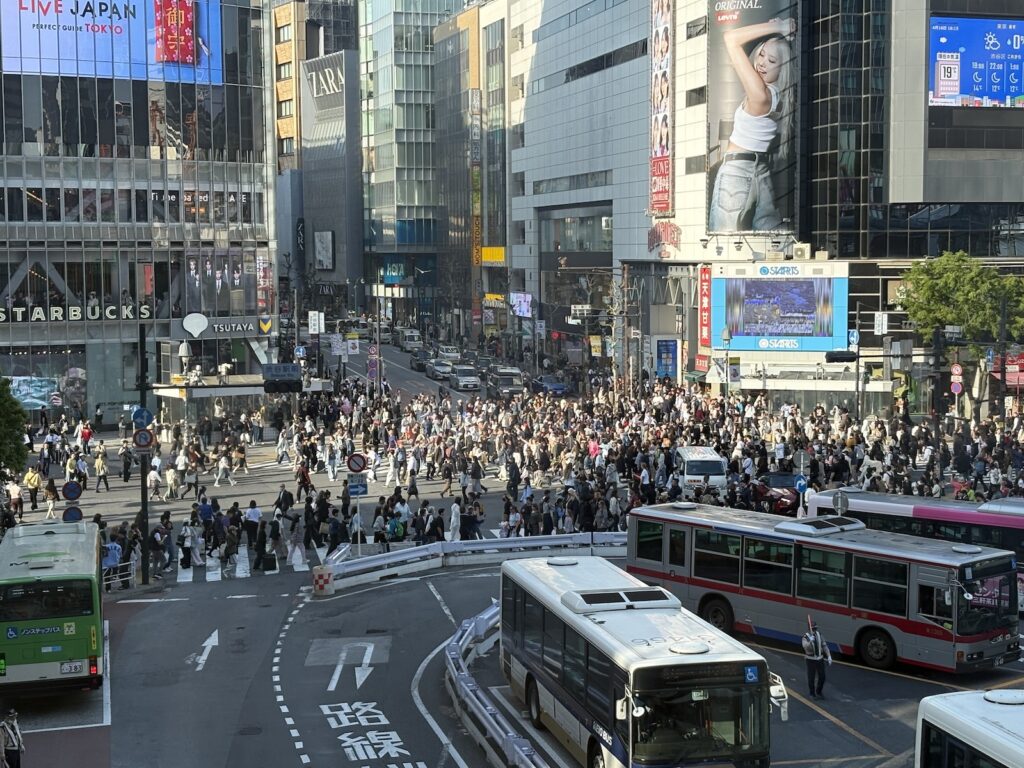
It may be one of the most photographed intersections in the world, but Shibuya Scramble Crossing is still worth experiencing for yourself. The feeling of crossing the intersection with people all over the world (many of them filming the experience!) is truly exhilarating!
When the traffic lights change, vehicles stop in every direction and crowds move across the intersection simultaneously. Somehow, hundreds of people weaving past each other looks chaotic and perfectly organized at the same time.
You’ll find the crossing directly outside Shibuya Station near the Hachiko side of the station.
Cross it during the day but try to return after sunset as well. Shibuya becomes much more dramatic when the enormous video screens and illuminated signs surrounding the intersection switch on.
I’d also recommend viewing the crossing from above. You get a much better impression of its scale when you can watch several waves of pedestrians move through the intersection. Choose your favorite angle and then enter the closest skyscraper to try and get a view. Starbucks is always a favorite place to perch.
2. Visit Hachiko
Only steps from Shibuya Crossing is one of Tokyo’s most famous meeting spots.
Hachiko was an Akita dog who regularly waited at Shibuya Station for his owner, Hidesaburo Ueno, to return from work. After Ueno died unexpectedly, Hachiko continued returning to the station for almost ten years until his death!
His loyalty became famous throughout Japan, and today his statue stands outside Shibuya Station.
There is often a line of people waiting to take a photograph beside him, but it moves quickly.
Hachiko and Shibuya Crossing are right beside each other, and they make the perfect pair to start your tour of Shibuya!
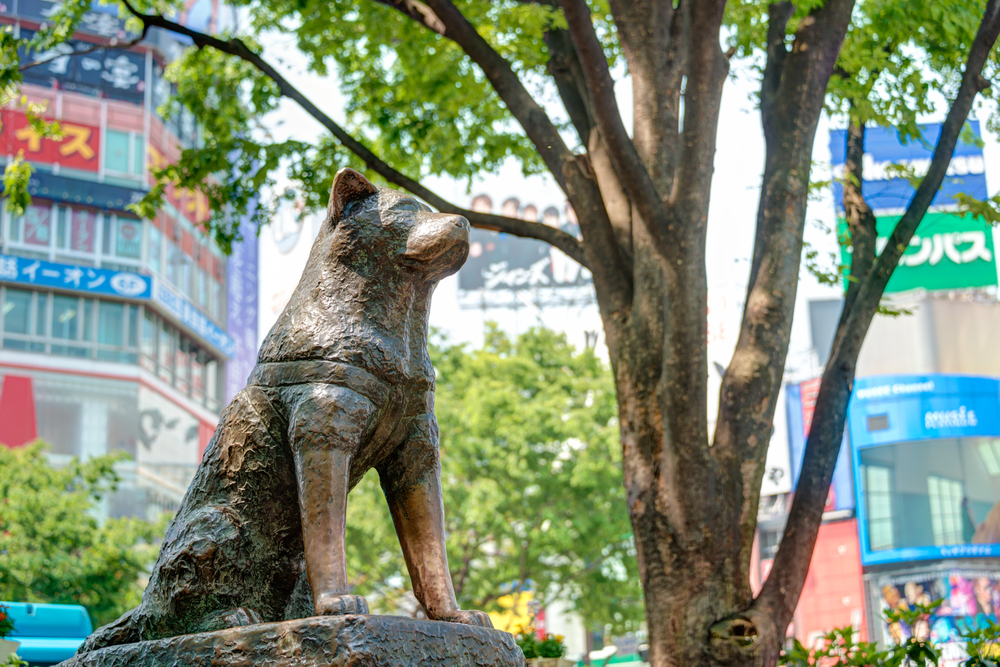
Visiting Hachiko in Shibuya takes only a few minutes, but you will see that he is very popular, DepositPhotos.com
3. Look Across Tokyo from SHIBUYA SKY
If you’re going to pay for one major attraction in Shibuya, make it SHIBUYA SKY. The rest you can do for free!
Located at the top of Shibuya Scramble Square, SHIBUYA SKY offers 360-degree views from approximately 229 meters above Shibuya. Its biggest draw is the open-air SKY STAGE rooftop, while there is also an indoor observation area.
On clear days, the view extends far beyond central Tokyo.
One of my favorite aspects is being able to look down over the streets you have just been exploring including the area surrounding Shibuya Crossing.
As of September 2026, SHIBUYA SKY is open from 10:00 a.m. until 10:30 p.m., with final entry at 9:20 p.m. The rooftop may close temporarily because of rain, strong winds, or other weather conditions.
I strongly recommend reserving in advance if you want a sunset time slot.
Sunset times sell out first, so book ahead if the view at golden hour matters to you.
4. Shop at SHIBUYA 109
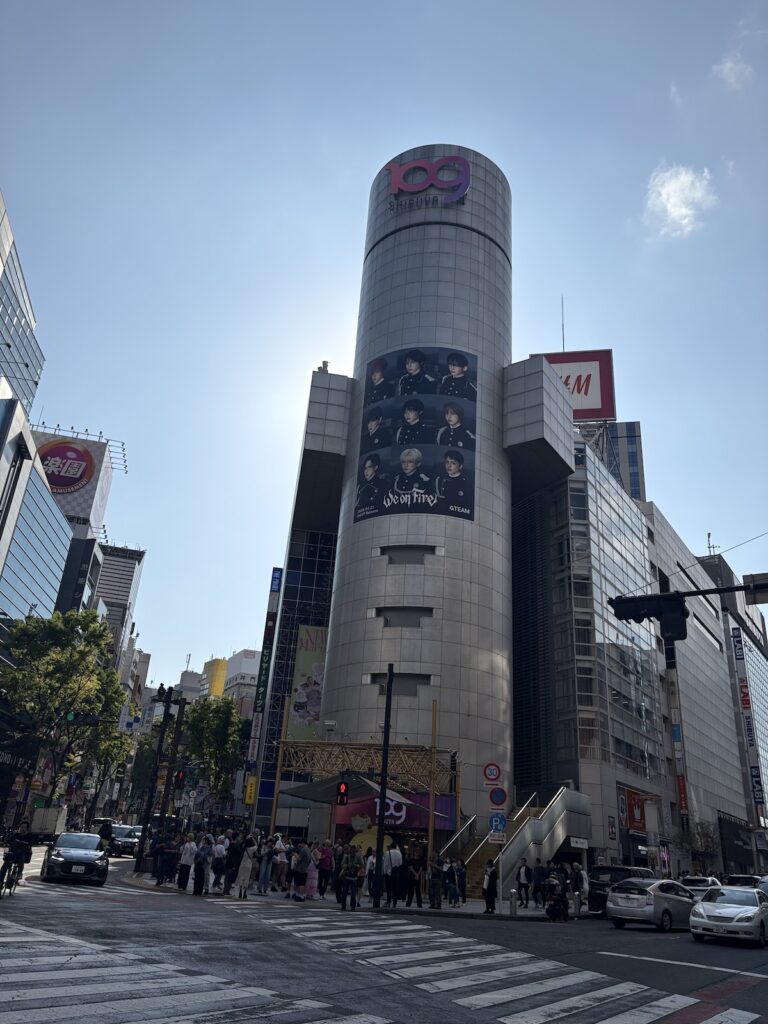
You will probably notice SHIBUYA 109 before you consciously decide to visit it.
The cylindrical building at the entrance to Dogenzaka has been one of Shibuya’s most recognizable landmarks for decades and has played an important role in Japanese youth fashion.
Inside, you’ll find multiple floors of clothing, accessories, cosmetics, cafés, and pop-up shops.
Even if you aren’t planning to buy anything, it is worth taking a quick look inside to see what is currently popular.
5. Explore Dogenzaka
Continue behind the Shibya 109 building and walk uphill into Dogenzaka.
Dogenzaka is one of Shibuya’s main entertainment and nightlife districts, filled with restaurants, karaoke rooms, bars, clubs, live-music venues, and smaller side streets. If you want to come back later, WOMB (2-16 Maruyamacho) is one of Shibuya’s classic club venues and celebrated its 25th anniversary in 2025.
The club is spread out over four floors. The main floor is a 2F to 4F atrium with sub-floors on 1F and 4F and a Premium Lounge on 3F. Its signature is a giant mirrorball, billed as the biggest in Asia, which lowers from the ceiling as the night goes on
On December 5, 2025, it opened a sister venue, Z MARUYAMA, a short walk from the original.
It becomes more atmospheric toward evening, but I would still walk around during the afternoon because it leads naturally into one of Shibuya’s more unusual districts, which we will see shortly.
Want a private tour of Shibuya’s hidden gems and highlights?
Go with a local guide and see the Shibuya that many people miss
Book a private tour of Shibuya’s highlights and hidden gems
6. Walk Through Shibuya’s Love Hotel District
When it comes to best things to do in Shibuya, Shibuya’s Love Hotel Hill has to be one of the most unique. Just behind Dogenzaka, particularly around Maruyamacho, you’ll encounter one of Tokyo’s best-known concentrations of love hotels.
Love hotels are short-stay hotels designed primarily for couples. Guests can generally choose a shorter “rest” period or an overnight “stay,” and some hotels offer elaborate rooms with large baths, karaoke systems, unusual décor, or themed interiors.
One favorite stop on this street (definitely not for anyone under the age of 18) is Wild One (2-29-14 Dogenzaka). The entrance of this store is, shall we say, suggestive to say the least.
You don’t need to stay in one to walk through the neighborhood. The narrow streets, discreet entrances, illuminated room displays, and unusual hotel architecture make this an interesting part of Shibuya in its own right.
If you’re curious about what actually happens when you check into one, I’ve stayed in several love hotels in Japan and put together a full guide explaining how they work, what they cost, what to expect, and how to book one.
Book your love hotel in Shibuya ahead of time if you would rather not walk into every lobby.
7. Wander Through Shibuya Center-Gai
Come back down the hill from Dogenzaka, and across the road from Shibuya Station, Center-Gai throws you straight into the middle of Shibuya’s street-level energy. This is the road that is just to the right of the Starbucks in the building with Tsutaya at Shibuya Crossing when you are looking straight at the Starbucks.
The compact network of streets that stretches out behind the Starbucks here is packed with restaurants, shops, arcades, karaoke venues, fast-food restaurants, bars, fashion stores, and enormous illuminated signs.
There isn’t one single attraction you need to find here.
The point is just to walk.
Take side streets. Look upstairs. Walk into an arcade. Stop for lunch. Return after dark and see how dramatically the atmosphere changes.
8. Browse Shibuya Loft
Japanese lifestyle stores are dangerous places for your luggage allowance.
Shibuya Loft sells stationery, notebooks, pens, cosmetics, kitchen products, travel accessories, gifts, seasonal goods, and Japanese design products.
It’s particularly useful for souvenirs that are more practical than the usual magnets and keychains.
Give yourself more time than you think you’ll need. Check out every floor if you have time and don’t skip the stationery on the bottom floor. The Japanese are in a class by themselves when it comes to stationery.
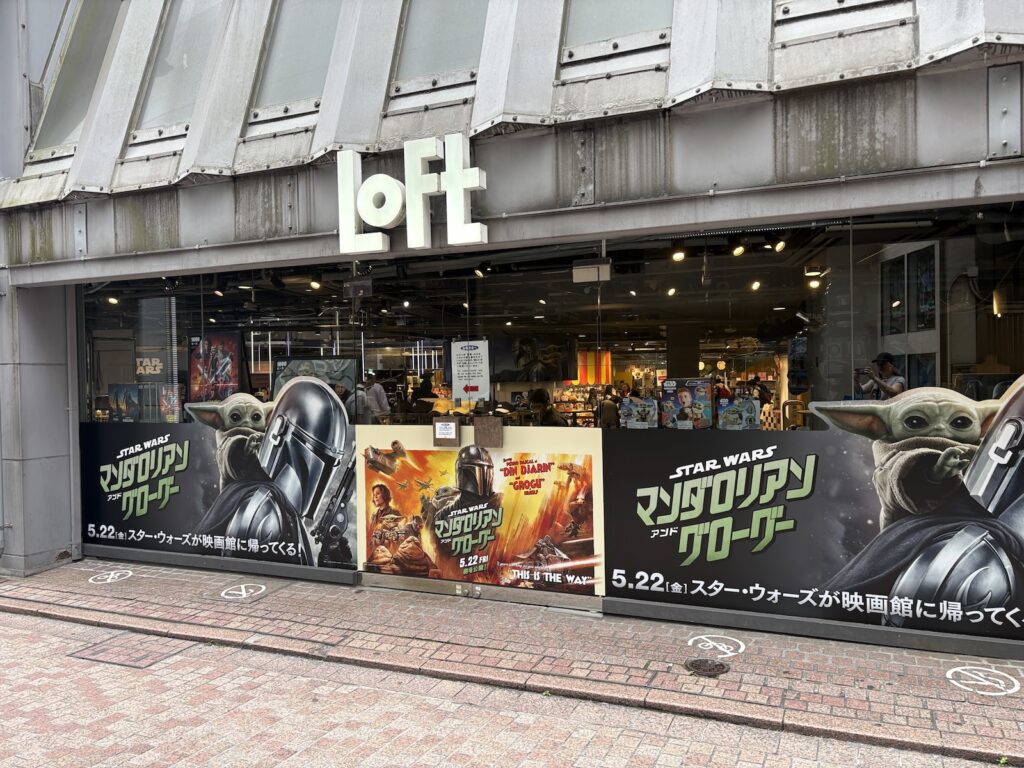
Don’t miss visiting Loft while you’re in Shibuya, Photo by Tokyo Becky
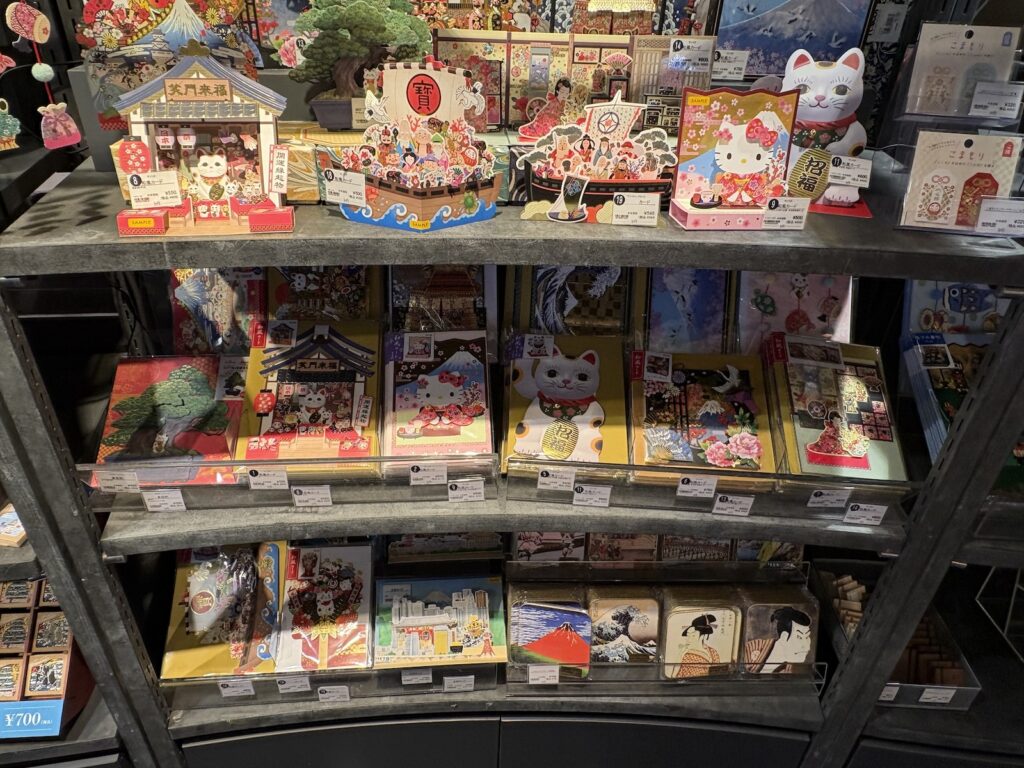
Just some of the amazing things you can find at Loft, Photo by Tokyo Becky
9. Explore Hands Shibuya
Hands is another enormous Japanese lifestyle store where wandering is half the fun.
You might encounter stationery, travel products, beauty items, DIY supplies, kitchen equipment, bags, hobby products, umbrellas, organizational products, and gadgets you didn’t know existed.
Loft and Hands overlap somewhat, but they have enough differences that fans of Japanese stationery and design may happily visit both. This is the perfect place to find a souvenir to bring back home or something to make your daily life easier.
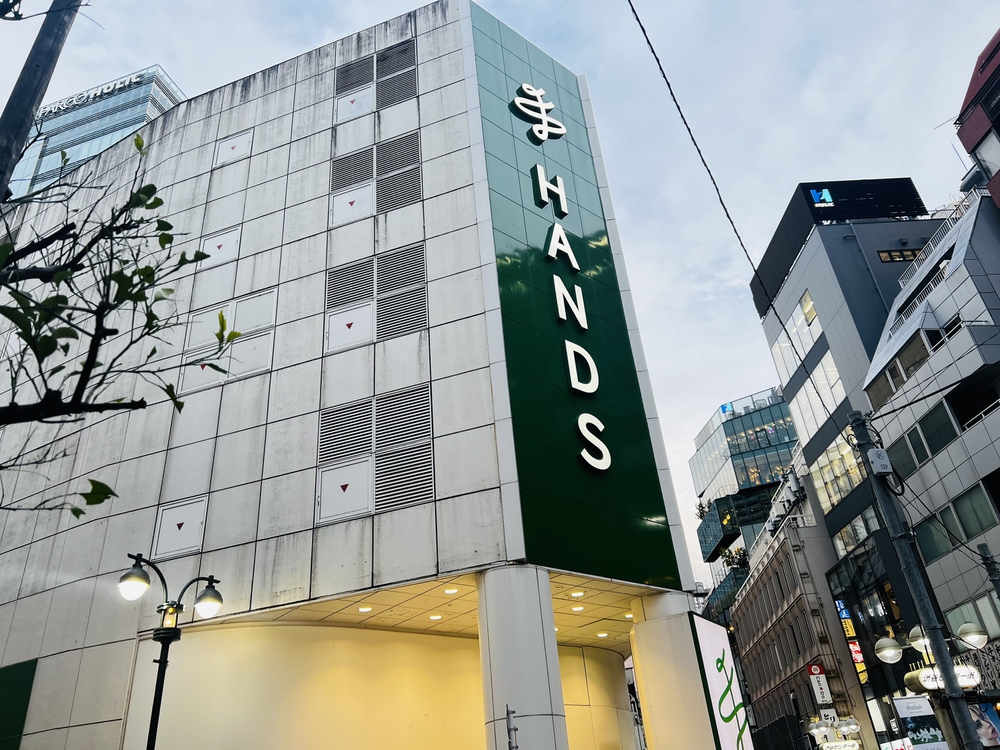
Hands Department Store in Shibuya, DepositPhotos.com
10. Visit Tower Records Shibuya
Music fans should make time for Tower Records Shibuya.
While Tower Records disappeared from many countries years ago, it remains a major presence in Japan.
The enormous Shibuya location is a particularly good place to browse Japanese music, vinyl, CDs, merchandise, and current releases.
Even if you haven’t bought physical music in years, walking around a huge record store in the middle of Shibuya can feel pleasantly nostalgic.
11. Explore Shibuya PARCO
Shibuya PARCO deserves more attention than an ordinary shopping mall.
The building mixes fashion, restaurants, art, Japanese pop culture, gaming, and entertainment.
The sixth floor, called CYBERSPACE SHIBUYA, is especially interesting for international visitors. Its current lineup includes Pokémon Center Shibuya, Nintendo TOKYO, JUMP SHOP, CAPCOM STORE TOKYO, SEGA STORE TOKYO, Godzilla Store Shibuya, and other entertainment stores.
As of September 2026, the sixth-floor stores operate from 10:00 a.m. to 9:00 p.m., while most of PARCO’s retail floors begin opening later.
Even people who normally avoid shopping centers may find something interesting here.
12. Visit Nintendo TOKYO
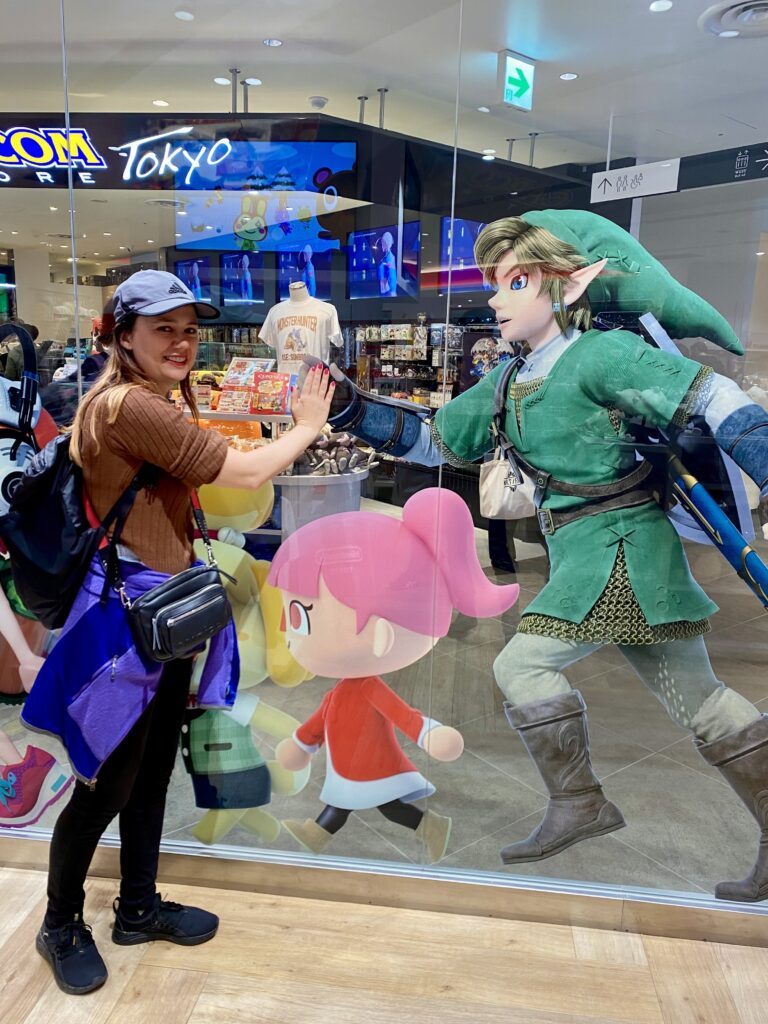
Nintendo fans can easily spend longer than expected inside Nintendo TOKYO. I know I did since my nephews and niece are obsessed with all things Nintendo!
Located on the sixth floor of Shibuya PARCO, it was Nintendo’s first directly operated official store in Japan.
Expect merchandise connected with Mario, Zelda, Animal Crossing, Splatoon, and other Nintendo franchises, alongside games and limited or harder-to-find products.
Because you’re already visiting PARCO, Nintendo TOKYO doesn’t require any additional travel.
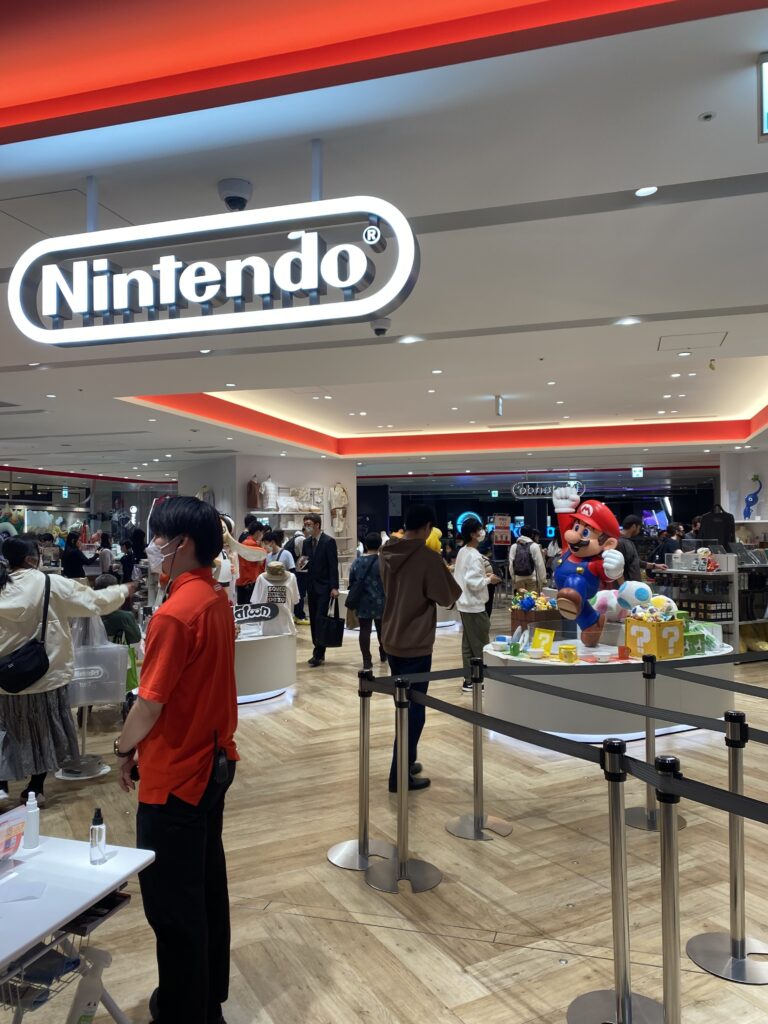
Nintendo Store in Shibuya Parco, Photo by Tokyo Becky
13. Visit Pokémon Center Shibuya
Pokémon Center Shibuya is almost next door to Nintendo TOKYO, making the two extremely easy to combine. I, of course, had to make another stop here for my nephews and niece, but it was easy because it was right on the same floor as Nintendo!
The store carries plush toys, accessories, stationery, apparel, collectibles, and other Pokémon merchandise.
Even if you’re traveling with adults who claim not to care about Pokémon, don’t be surprised if they suddenly disappear into the store. The plushies are adorable!
Pokémon Center Shibuya is currently open from 10:00 a.m. to 9:00 p.m.
14. Have a Drink in Nonbei Yokocho
A few minutes away from Shibuya’s enormous modern buildings is a tiny pocket of postwar Tokyo.
Nonbei Yokocho consists of narrow lanes lined with approximately 39 small bars and eateries, some with only a handful of seats. GO TOKYO describes the area as retaining a distinctly 1950s Showa-era atmosphere.
Come with one or two people rather than a large group.
Remember that these are operating bars, not a film set. Don’t walk inside simply to take pictures. If you enter, order something and enjoy the experience. See if you can find Bar Piano, which Anthony Bourdain famously visited on a trip to Tokyo in 2008.
If you love the atmosphere of tiny Tokyo bars, another neighborhood you should experience is Golden Gai in Shinjuku.
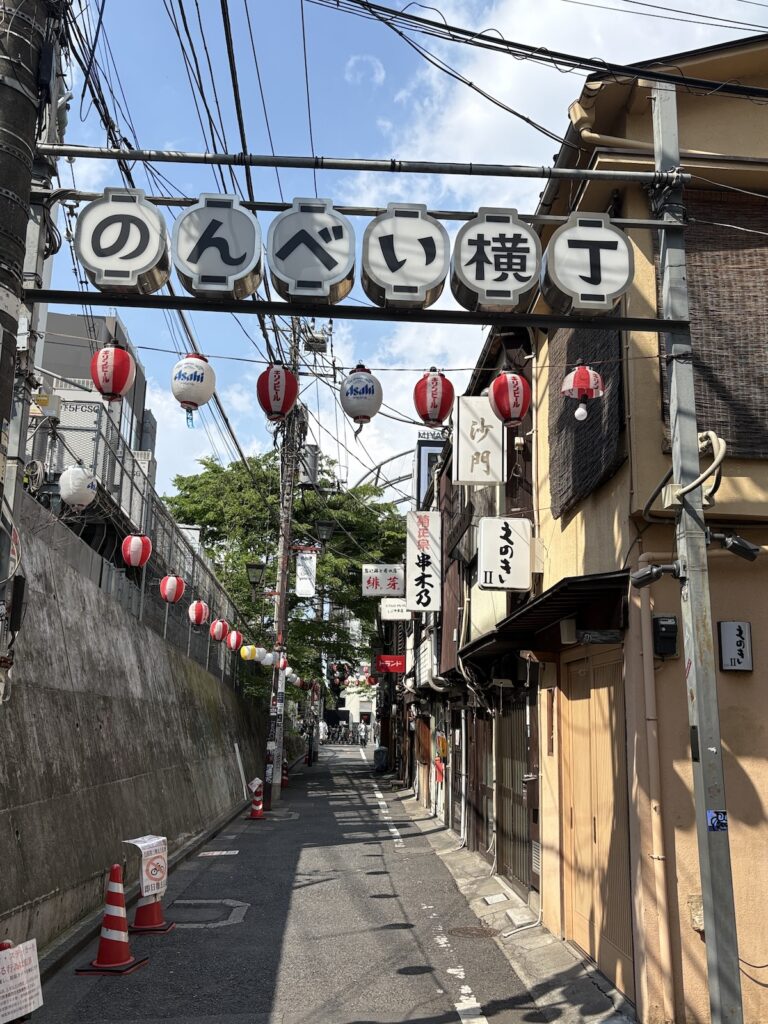
The entrance to Nonbei Yokocho, Photo by Tokyo Becky
15. Spend Some Time at MIYASHITA PARK
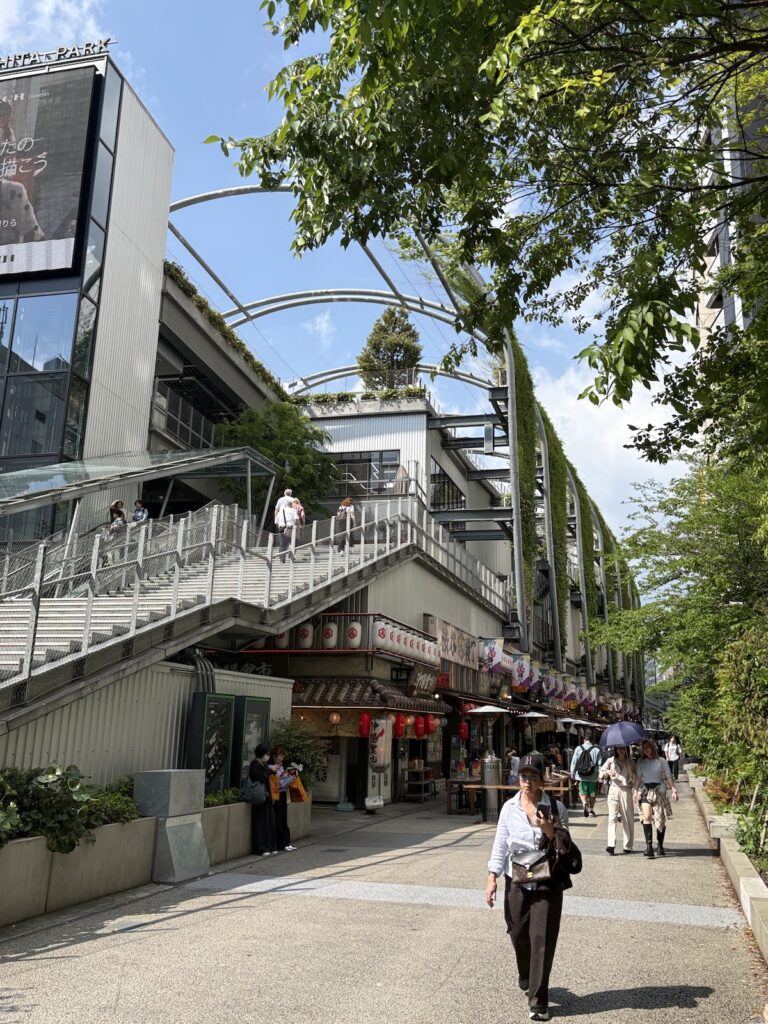
Right behind Nonbei Yokocho is one of my favorite new best things to do in Shibuya. MIYASHITA PARK fully opened in 2020 and combines retail, restaurants, a hotel, and an elevated public park.
The rooftop area gives you a chance to sit down outdoors while still being surrounded by central Tokyo. Do not miss this as you can also find a statue of Doraemon’s “Dokodemo Doa,” one of Japan’s most famous comic book characters.
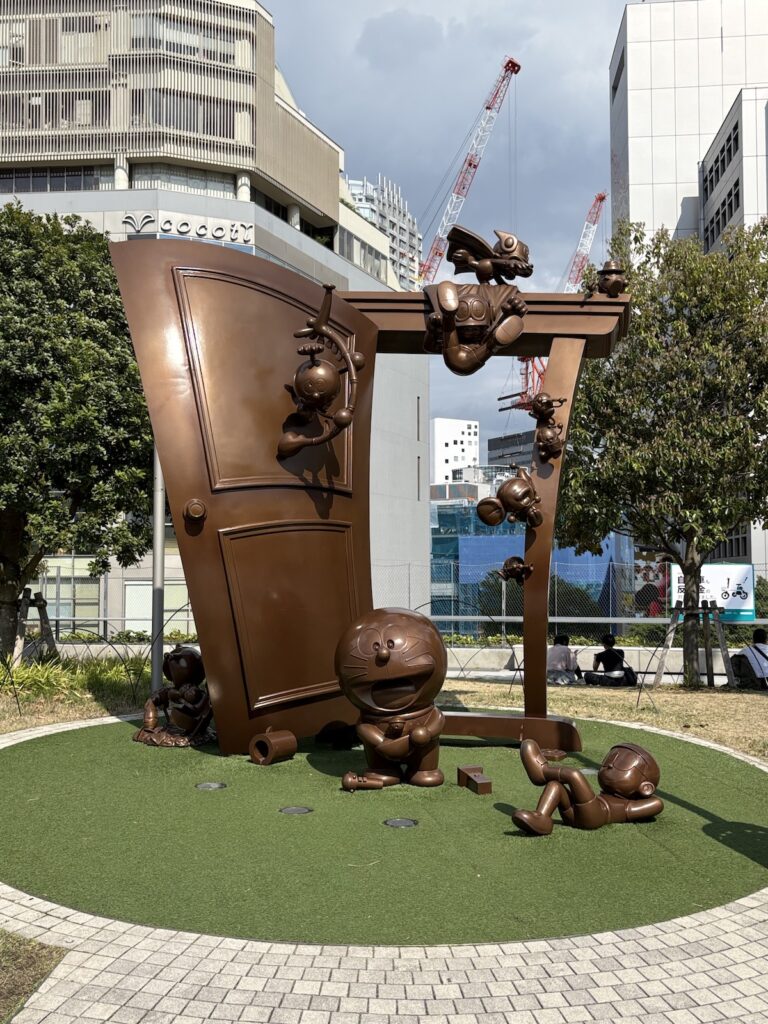
You’ll also find sports facilities and plenty of food and shopping below.
I particularly like MIYASHITA PARK as an evening stop because it connects conveniently with Shibuya Yokocho and the Nonbei Yokocho area.
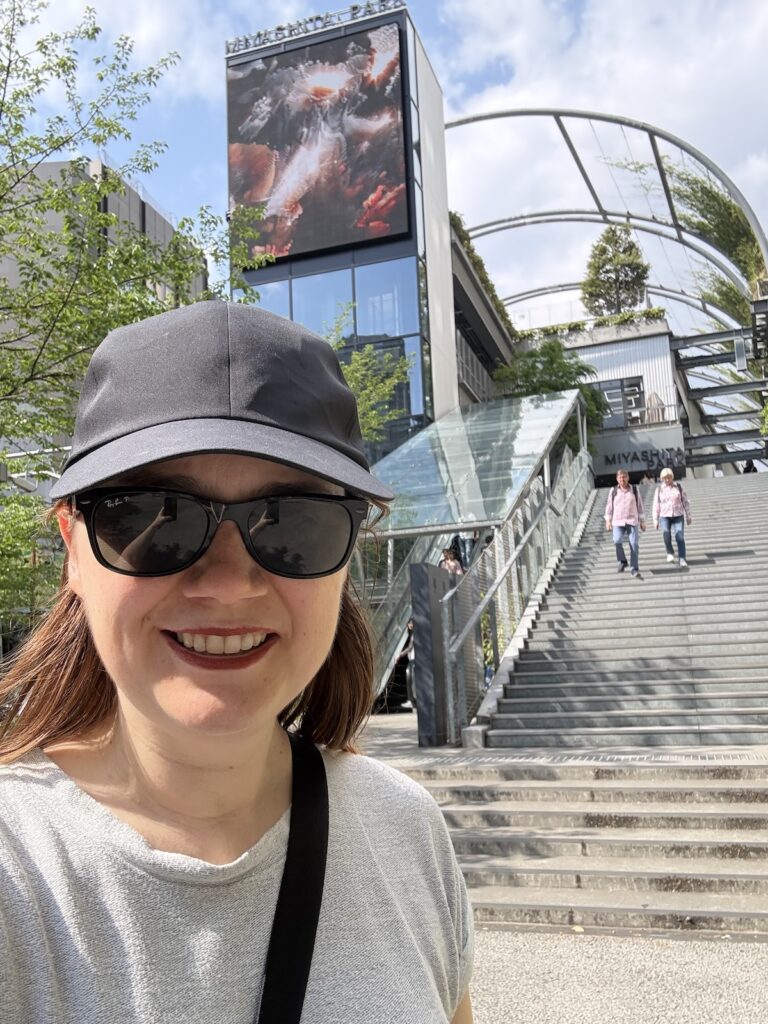
16. Eat at Shibuya Yokocho
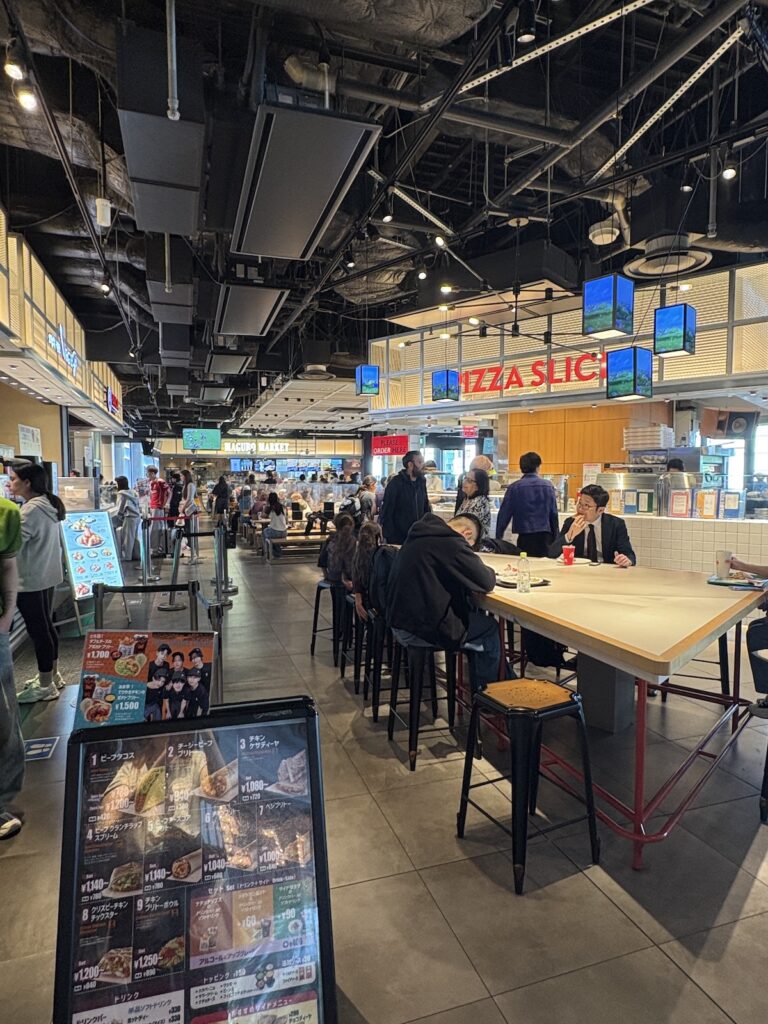
Shibuya Yokocho sits within the MIYASHITA PARK complex and offers a modern take on Japan’s yokocho food-and-drinking culture.
You’ll find casual food inspired by different regions of Japan in a lively setting that works particularly well for groups.
If you’re overwhelmed by Shibuya’s enormous restaurant selection and want somewhere informal, this is an easy option.
Just remember that Shibuya has many excellent independent restaurants too, so don’t assume this is the only place you should eat.
17. Visit Shibuya Sakura Stage
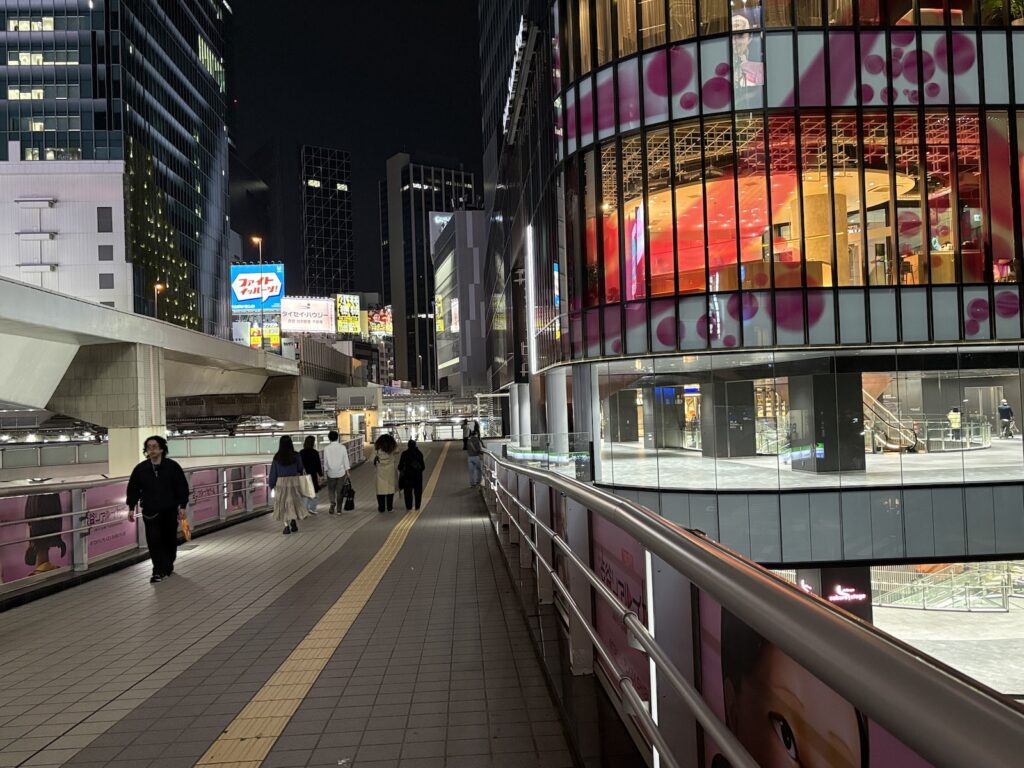
Cross toward the Sakuragaoka side of Shibuya Station and you’ll arrive in one of the neighborhood’s newest major developments.
The main shopping area at Shibuya Sakura Stage held its full opening on July 25, 2024 with 37 shops and restaurants opening on the same day. They included some of the complex’s best-known tenants: one of the largest TSUTAYA stores in the Shibuya area, a Tokyu Store supermarket, the first global flagship store of the makeup brand KATE, and SHIBUYA BREWERY, a craft brewery made in partnership with Yokohama Beer.
18. Walk Up Sakurazaka
If you’re visiting Tokyo during cherry blossom season, don’t leave the Sakura Stage area without walking along Sakurazaka.
The hill is lined with cherry trees and becomes particularly attractive when they bloom.
In spring 2026, the surrounding Sakuragaoka area again hosted the Shibuya Sakura Festival, including illuminated cherry trees along Sakurazaka.
Outside cherry blossom season, the street still gives you another perspective on Shibuya away from the dense streets around Center-gai.
19. Explore Shibuya Stream
Continue around the southern side of Shibuya Station toward Shibuya Stream.
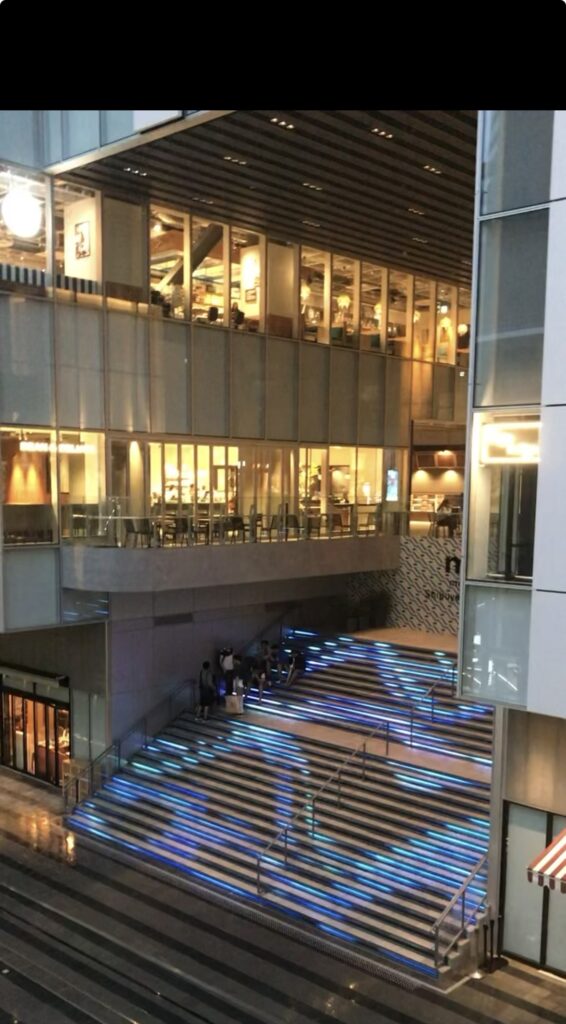
The redevelopment helped reconnect this area with the Shibuya River and created a much more pedestrian-friendly environment with restaurants, cafés, shops, and open spaces.
It’s particularly useful in a Shibuya itinerary because it gives you somewhere to slow down.
After Center-gai, PARCO, and Dogenzaka, Shibuya Stream can feel surprisingly calm.
Stop for coffee, take a break, or walk along the river before heading toward SHIBUYA SKY.
20. Try a Japanese Game Center
You do not have to be a serious gamer to have fun inside a Japanese arcade.
Shibuya’s entertainment buildings contain crane games, rhythm games, racing games, music games, and plenty of other machines.
You may also encounter purikura, Japanese photo booths that let you customize and dramatically edit photo strips.
Set yourself a spending limit before approaching the crane games. That ¥100 attempt has a remarkable ability to become ten attempts.
If you want to try a Japanese game center in Shibuya, my top pick is Taito Station Shibuya (1-24-12 Shibuya, Shibuya Toei Plaza). It’s one of the biggest arcades in Shibuya and sits right next to the Bic Camera east exit store, a minute’s walk from the JR Miyamasuzaka exit, with crowd-pleasing rhythm games, the latest purikura photo booths and plenty of video games. For crane games and purikura, head to Adores Shibuya (13-11 Udagawacho, KN Shibuya 1 Building, 1F–4F), which reopened after a renovation in December 2024 with more than 150 crane machines. Gamers should also look in at GiGO Shibuya (29-4 Udagawacho, Zen Mall Building, 1F–3F), five minutes from the Hachiko exit toward Center-gai, which has a permanent Fangamer Japan shop selling game merchandise alongside its claw machines.
21. Sing Karaoke
Shibuya is one of the easiest places in Tokyo to try Japanese karaoke.
Instead of performing in front of an entire bar, Japanese karaoke normally takes place in a private room rented by you and your friends.
You can order drinks and often food directly to the room, and many venues remain open very late.
If you’re traveling with a group, an hour of karaoke is an easy addition to a Shibuya night out.
Here are the three karaoke chains I’d recommend, with their main Shibuya branches. All three are big Japanese chains with private rooms and long opening hours, so they’re easy picks for first-timers.
- Karaoke Kan Shibuya Honten (25-6 Udagawacho, Shibuya B&V Building). This is the chain’s flagship branch, a two-minute walk from JR Shibuya Station. It’s open from 9:00 a.m. to 5:00 a.m. Sunday to Thursday, and until 7:00 a.m. on Fridays, Saturdays and the nights before holidays.
- Big Echo Shibuya Center-gai Honten (21-8 Udagawacho, Shibuya Heiwa Building, 3F). It’s a one-minute walk from the Hachiko exit and open 24 hours, every day of the year. It’s run directly by DAM, one of Japan’s two big karaoke machine makers, so every room has DAM equipment, and some rooms have projectors.
- Karaoke Manekineko Shibuya Honten (2-29-5 Dogenzaka, Shibuya Prime, 4F). It’s open 24 hours. The chain has more branches than any other in Japan, and it generally lets you bring in your own food and drinks, which helps keep costs down.
Other branches near Center-gai
- Manekineko Shibuya Center-gai (29-4 Udagawacho, Zen Mall Shibuya Building, 4F–6F). It’s in the same building as GiGO Shibuya, so you could pair it with the game center paragraph.
- Big Echo Shibuya Miyamasuzaka-guchi Ekimae (1-24-12 Shibuya, Shibuya Toei Plaza Building, 6F). It’s in the same building as Taito Station Shibuya.
22. Visit Konno Hachimangu Shrine
Need a break from giant screens and shopping malls?
Konno Hachimangu Shrine provides one of the more peaceful contrasts in central Shibuya.
The shrine is within walking distance of the station but feels far removed from the scramble crossing and commercial streets.
It’s worth including precisely because Shibuya is so heavily associated with hyper-modern Tokyo.
Konno Hachimangu has a long history. It’s often described as the place where Shibuya itself began. According to the shrine, it was founded on the 15th day of the first month of 1092, during the reign of Emperor Horikawa.
In 1051, Motoie, a descendant of the Chichibu clan, was given land roughly where Shibuya Ward is today, as a reward for supporting Minamoto no Yoshiie. Yoshiie believed Motoie’s prayers to Hachiman, the god of war, had helped him win, which is why the shrine is dedicated to Hachiman.
According to the shrine, Emperor Horikawa gave him the name “Shibuya” for driving intruders out of the imperial palace. The newly named Shibuya clan built their main castle around the shrine and treated it as their family’s guardian shrine.
The shrine sees this as the birth of Shibuya. A foundation stone from the old Shibuya Castle is still preserved in the grounds.
23. Walk Along Cat Street
Cat Street (check Google Maps for the location) connects the Shibuya area with Harajuku and Omotesando and is lined with boutiques, streetwear shops, cafés, and smaller stores. Here you can find fancy outdoor gear shops as well including Patagonia and Burton.
Despite the name, this is not an attraction involving cats.
The start of Cat Street on the Shibuya side is close to a place called Shibuya Cast Garden on Google Maps, which is not far from Shibuya Miyashita Park (see # 15 on this list). I would not include Cat Street in the main one-day Shibuya itinerary below because walking toward Harajuku and then returning to Shibuya creates unnecessary backtracking.
Instead, use it when you’re finished with Shibuya and want to continue north toward Harajuku.
24. Experience Shibuya Nightlife
Shibuya changes considerably after dark.
Center-Gai and Dogenzaka become busier, bars and clubs fill up, karaoke rooms come alive, and the enormous screens surrounding the crossing dominate the streets.
You don’t have to go clubbing to experience Shibuya nightlife.
You could spend the evening bar-hopping, eat at an izakaya, sing karaoke, have a drink in Nonbei Yokocho, or simply walk through the neon streets.
Here are five of the best clubs in Shibuya
- WOMB (2-16 Maruyamacho). (See #5 on this list). This is Shibuya’s best-known club, open since 2000, with four floors focused on techno and house. Late-night events are 20+ with photo ID.
- HARLEM (G Canz Building 2F/3F, 2-4 Maruyamacho). It opened in 1997 and is an iconic venue in Japan’s hip-hop scene. It’s open from 10:00 p.m. to 5:00 a.m.
- CLUB CAMELOT (Frame Jinnan-zaka B3, 1-18-2 Jinnan). It’s one of Tokyo’s largest nightclubs, with three floors playing EDM, hip-hop and R&B. It’s open Friday to Monday and closed Tuesday to Thursday.
- ATOM TOKYO (2-4 Maruyamacho). It’s in the same building as HARLEM and is consistently one of Shibuya’s most popular clubs, especially with a younger crowd.
- TK NIGHTCLUB (Chitose Kaikan B1F, 13-8 Udagawacho). It has one of the largest dance floors in Shibuya and is open daily from 10:00 p.m. to 4:30 a.m.
Keep in mind that the last train in Tokyo is around 11:00 pm to 1:00 am (depending on how far from the center of Shibuya you are staying) and clubs stay open until the first train (around 5:00 am) because the cost of taking a taxi home is prohibitively expensive). If you stay past 1:00 am, you will need to stay out all night.
A local guide takes you past the touts and into the bars you would never find on your own.
25. Walk from Shibuya to Harajuku
If Shibuya isn’t the end of your sightseeing day, skip the train and walk toward Harajuku.
A pleasant route takes you from the central Shibuya area toward MIYASHITA PARK, along Cat Street, and eventually toward Omotesando and Harajuku.
The walk itself is part of the experience.
Shibuya and Harajuku have very different personalities despite being so close together, so combining them gives first-time visitors a good introduction to western Tokyo.
What to Eat in Shibuya
Trying to name one “best restaurant in Shibuya” is nearly impossible.
The better approach is to decide what you want to eat and choose from there.
Shibuya has excellent options for sushi, ramen, curry, udon, soba, yakitori, yakiniku, izakaya food, Japanese sweets, cafés, and late-night dining.
For something casual, Shibuya Yokocho (see #16) is easy to work into a day of sightseeing. There is also a food court inside Miyashita Park as well.
For drinks and a more intimate old-Tokyo atmosphere, try Nonbei Yokocho.
For a proper restaurant, I recommend looking slightly beyond the streets immediately facing the Scramble Crossing, where you’ll find a much wider range of choices. There are a number of cheap Japanese chains that you can find peppered throughout Shibuya. Check out my list of them here.
Check out my guide here and look out for these chains in Shibuya if you’re in a rush
Let a local guide choose the dishes and the restaurants for you.
One-Day Shibuya Itinerary: An Efficient Walking Route
Shibuya is compact, but it becomes exhausting if you spend all day crossing from one side of the station to another.
I’ve arranged this itinerary in clusters so you can move through the neighborhood in a logical loop.
10:00 a.m. – Hachiko
Start outside Shibuya Station with the Hachiko Statue.
This places you directly beside the crossing and avoids spending your first half hour trying to understand Shibuya Station.
10:15 a.m. – Shibuya Scramble Crossing
Cross the intersection and spend a little time around the station-front area.
Don’t worry about seeing it at its most dramatic yet. You’ll be back in central Shibuya later, and the crossing is even better after dark.
10:30 a.m. – SHIBUYA109
Head directly toward SHIBUYA109.
Browse if you’re interested in Japanese fashion, cosmetics, and youth trends.
11:15 a.m. – Center-gai
From SHIBUYA109, explore Center-gai and some of the surrounding pedestrian streets.
This keeps you on the same side of Shibuya rather than bouncing across the station.
Noon – Shibuya PARCO
Walk toward Shibuya PARCO.
Head to the sixth floor for Nintendo TOKYO, Pokémon Center Shibuya, CAPCOM STORE TOKYO, SEGA STORE TOKYO, and the other gaming and character shops.
1:15 p.m. – Lunch
Eat around PARCO, Udagawacho, Center-gai, or Dogenzaka.
There is no reason to travel across Shibuya specifically for lunch unless you already have a restaurant reservation.
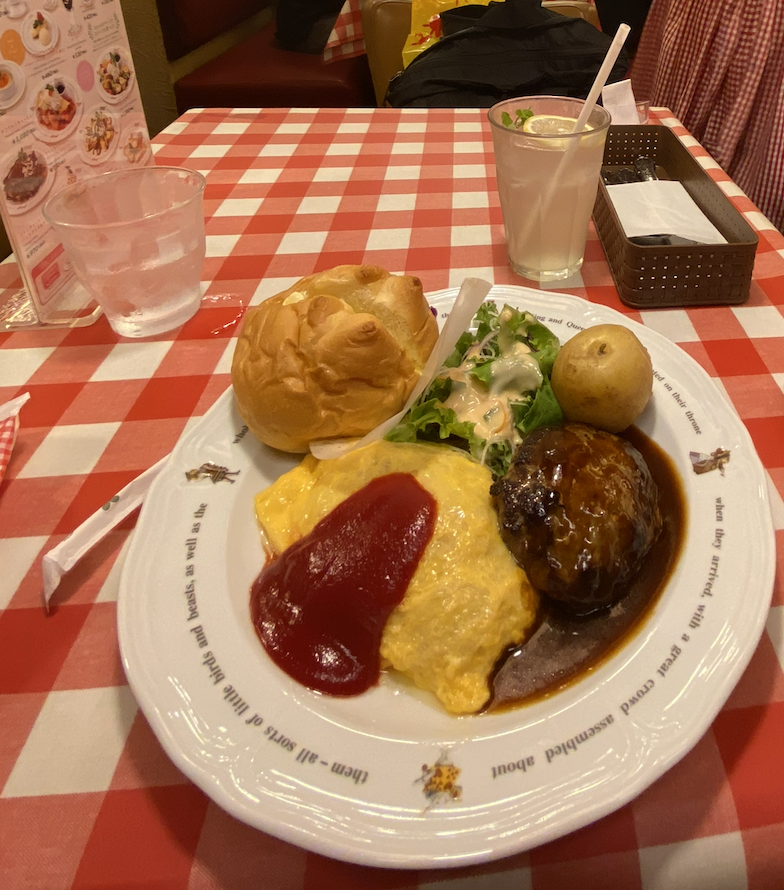
One of my favorite little places to eat Japanese omurice and family style meals is Rakeru (1-12-9 Esteto Building B1, Shibuya). Look for this chain and you can enjoy Japan’s take on Western food.
2:15 p.m. – Dogenzaka and Love Hotel Hill
Walk back toward Dogenzaka and explore the streets behind it around Maruyamacho.
This is your chance to see Shibuya’s love hotel district before nightlife really gets going.
If you’re curious about actually staying in one, read my complete guide to Japanese love hotels.
3:15 p.m. – Shibuya Sakura Stage
Continue toward the Sakuragaoka side of the station.
Walk through Shibuya Sakura Stage, check whether there are any current exhibitions or pop-ups, and take a break if you need one.
4:00 p.m. – Shibuya Stream
Continue around the southern side of the station toward Shibuya Stream.
Walk along the riverfront area and stop for a coffee if you have time.
Around Sunset – SHIBUYA SKY
You are now close to Shibuya Scramble Square.
Book SHIBUYA SKY ahead of time for a late-afternoon slot and watch Tokyo change from daylight into evening.
If sunset is important to you, check the sunset time for the exact day of your visit before booking.
7:00 p.m. – MIYASHITA PARK
After SHIBUYA SKY, walk north toward MIYASHITA PARK.
Visit the rooftop or have dinner around the complex or Shibuya Yokocho.
8:30 p.m. – Nonbei Yokocho
Finish the evening at nearby Nonbei Yokocho.
If the tiny bars are too crowded, continue back toward Center-gai and Dogenzaka for karaoke, drinks, or nightlife.
And when you cross Shibuya Crossing again at night, it will look completely different from the crossing you saw that morning.
Have Only Half a Day in Shibuya?
If you only have four or five hours, I would prioritize:
Arrive in the afternoon and schedule SHIBUYA SKY toward sunset.
That gives you most of Shibuya’s essential experiences without rushing through 20 different attractions.
What Is the Best Time to Visit Shibuya?
For most first-time visitors, I recommend arriving in the afternoon and staying into the evening.
In the morning, Shibuya is easier to photograph and less crowded, but many shops and entertainment venues haven’t reached full swing.
The afternoon is best for shopping and indoor attractions.
Around sunset, head to SHIBUYA SKY.
After dark, return to the streets for the classic neon version of Shibuya.
If you’re interested in bars, clubs, karaoke, or Dogenzaka nightlife, stay late.
How Long Do You Need in Shibuya?
Allow at least half a day for Shibuya. A full day is better.
With two hours, you can see Hachiko, cross Shibuya Crossing, and walk through Center-gai.
With half a day, add SHIBUYA109, PARCO, Dogenzaka, and SHIBUYA SKY.
With a full day, you have enough time for the newer southern developments, proper meals, shopping, and Shibuya after dark.
How to Get to Shibuya
Shibuya Station is one of Tokyo’s major transport hubs.
It is served by JR lines including the Yamanote Line as well as Tokyo Metro, Tokyu, and Keio services.
From Shinjuku, the JR Yamanote Line is one of the simplest options.
From Harajuku, Shibuya is only one stop on the Yamanote Line, although walking between the two neighborhoods can be more interesting.
For everyday transportation around Tokyo, use a rechargeable IC card such as Suica, PASMO, or ICOCA. You simply tap at the ticket gates rather than purchasing a paper ticket for every journey.
How to Navigate Shibuya Station
Shibuya Station can be confusing.
It serves numerous train and subway lines, spreads across multiple levels, and the surrounding station area has undergone extensive redevelopment.
My advice is simple: don’t try to memorize the whole station.
Instead, follow signs for the attraction or side of Shibuya you want.
For Hachiko and the Scramble Crossing, look for signs directing you toward Hachiko.
For places such as Shibuya Scramble Square, Shibuya Hikarie, Sakura Stage, or Shibuya Stream, follow the signs for those destinations.
And give yourself an extra ten minutes.
Coming out of the wrong exit in Shibuya is practically a Tokyo tradition. Allow extra time to make mistakes here. Google Maps is a great guide for which exit you need. Follow the signs at exits for certain landmarks and building names.
Where to Stay in Shibuya
Shibuya is an excellent place to stay for first-time visitors.
Its biggest advantage is transportation. You can reach Harajuku, Shinjuku, Ebisu, Shimokitazawa, and numerous other Tokyo neighborhoods easily.
The trade-off is that hotels around central Shibuya can be more expensive, and the busiest nightlife streets aren’t ideal if you need absolute silence.
I would divide Shibuya hotels into the following categories when choosing:
Where to Go After Shibuya
One of Shibuya’s biggest advantages is how easily you can continue to another interesting Tokyo neighborhood.
Shimokitazawa
For a completely different atmosphere, take the Keio Inokashira Line from Shibuya to Shimokitazawa.
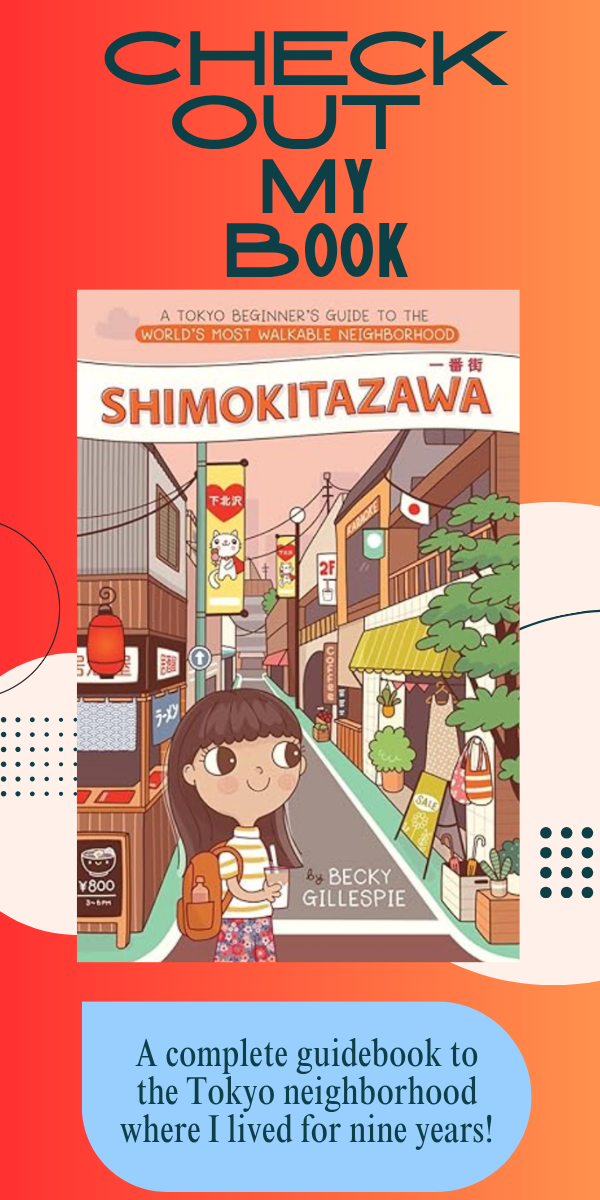
Instead of skyscrapers and giant video screens, you’ll find small streets packed with vintage shops, cafés, independent stores, bars, restaurants, and live-music venues. I loved this neighborhood so much that I wrote a book about it and a guide below.
Golden Gai
If Shibuya’s tiny Nonbei Yokocho bars appeal to you, experience another version of Tokyo’s small-bar culture in Shinjuku.
Golden Gai consists of a maze of narrow alleys filled with tiny bars, some seating only a handful of customers.
Thermae-Yu in Shinjuku
And if a full day of walking around Tokyo has destroyed your feet, there is another option near Golden Gai.
Thermae-Yu is a large hot-spring and bathing complex in Shinjuku where you can spend several hours soaking, eating, and relaxing.
Is Shibuya Worth Visiting?
Yes. Shibuya is absolutely worth visiting, especially on your first trip to Tokyo.
Few neighborhoods pack so many different sides of modern Tokyo into such a small area.
Within walking distance of Shibuya Station, you can experience one of Japan’s most famous landmarks, panoramic views, youth fashion, anime and gaming culture, nightlife, love hotels, old-fashioned drinking alleys, shrines, enormous shopping complexes, and some of Tokyo’s newest architecture.
But don’t come to Shibuya expecting traditional old Japan.
If temples, historic streets, and older architecture are your priority, spend more time in neighborhoods such as Asakusa or Yanaka.
Shibuya represents a very different Tokyo, and that’s precisely why you should see it.
Frequently Asked Questions About Shibuya
What is Shibuya famous for?
Shibuya is best known for Shibuya Scramble Crossing, Hachiko, fashion, shopping, nightlife, youth culture, and Japanese pop culture. Newer attractions such as SHIBUYA SKY have also become major reasons to visit.
How long should I spend in Shibuya?
Allow at least half a day. A full day gives you enough time to shop, visit SHIBUYA SKY, explore Dogenzaka, eat properly, and experience Shibuya after dark.
Is Shibuya better during the day or at night?
If you have to choose only one, visit in the late afternoon and stay after dark. That allows you to experience both versions of the neighborhood.
What are the best free things to do in Shibuya?
Shibuya Crossing, Hachiko, Center-gai, Dogenzaka, Love Hotel Hill, MIYASHITA PARK, Shibuya Stream, Cat Street, Sakurazaka, and Konno Hachimangu Shrine can all be explored without an admission charge.
What is the best time to see Shibuya Crossing?
The crossing is most atmospheric after sunset, when the surrounding screens and signs are illuminated. Go in the morning if your priority is lighter crowds.
Is SHIBUYA SKY worth it?
Yes, particularly on your first Tokyo trip. The open-air rooftop and 360-degree perspective make it one of the best ways to understand just how enormous Tokyo is.
Do I need to book SHIBUYA SKY in advance?
Booking ahead is strongly recommended if you want a specific time, particularly around sunset.
Can you walk from Shibuya to Harajuku?
Yes. Walking via MIYASHITA PARK and Cat Street is an enjoyable alternative to taking the train.
What is Shibuya’s Love Hotel Hill?
Love Hotel Hill is an informal name for the concentration of love hotels around Dogenzaka and Maruyamacho. Visitors can simply walk around the district, or adults interested in the experience can book a room for a shorter “rest” or overnight stay.
Is Shibuya safe at night?
The central areas of Shibuya remain busy well into the evening. As with any nightlife district, use normal precautions, watch your belongings, and be cautious about following street touts into unfamiliar establishments.
Is Shibuya good for children?
Yes. Pokémon Center Shibuya, Nintendo TOKYO, MIYASHITA PARK, shopping centers, arcades, and Shibuya Crossing can all work well for families. The bar, club, and love-hotel areas are obviously more relevant to adults.
What should I do in Shibuya if it rains?
Shibuya is one of Tokyo’s easiest neighborhoods to enjoy in bad weather. Visit PARCO, Pokémon Center Shibuya, Nintendo TOKYO, SHIBUYA109, Loft, Hands, Tower Records, cafés, arcades, karaoke venues, or restaurants.
What can I do in Shibuya at night?
See Shibuya Crossing beneath the neon lights, explore Center-gai and Dogenzaka, eat at an izakaya, visit Nonbei Yokocho, sing karaoke, go bar-hopping, play arcade games, or experience Shibuya’s club scene.
Final Thoughts
The biggest mistake you can make in Shibuya is treating it as nothing more than a place to take a photograph of the Scramble Crossing.
Cross the intersection, of course.
But then keep walking.
Go uphill into Dogenzaka. Wander through the love hotel streets. Look through the shops in PARCO. See what is happening at Sakura Stage. Walk beside the Shibuya River. Go hundreds of meters above the city at SHIBUYA SKY. Sit down in MIYASHITA PARK. Then finish the day squeezed into a tiny bar in Nonbei Yokocho.
Shibuya is at its best when you experience the contrasts.
Old drinking alleys sit beside futuristic towers. A quiet shrine hides within walking distance of streets covered in giant video screens. Love hotels sit behind fashion stores. Some of Tokyo’s newest developments surround landmarks that residents have been meeting beside for generations, nd Shibuya will always be changing.
Even if you’ve been here before, there is a good chance the neighborhood you return to will not look exactly like the one you remember.


0 Comments