
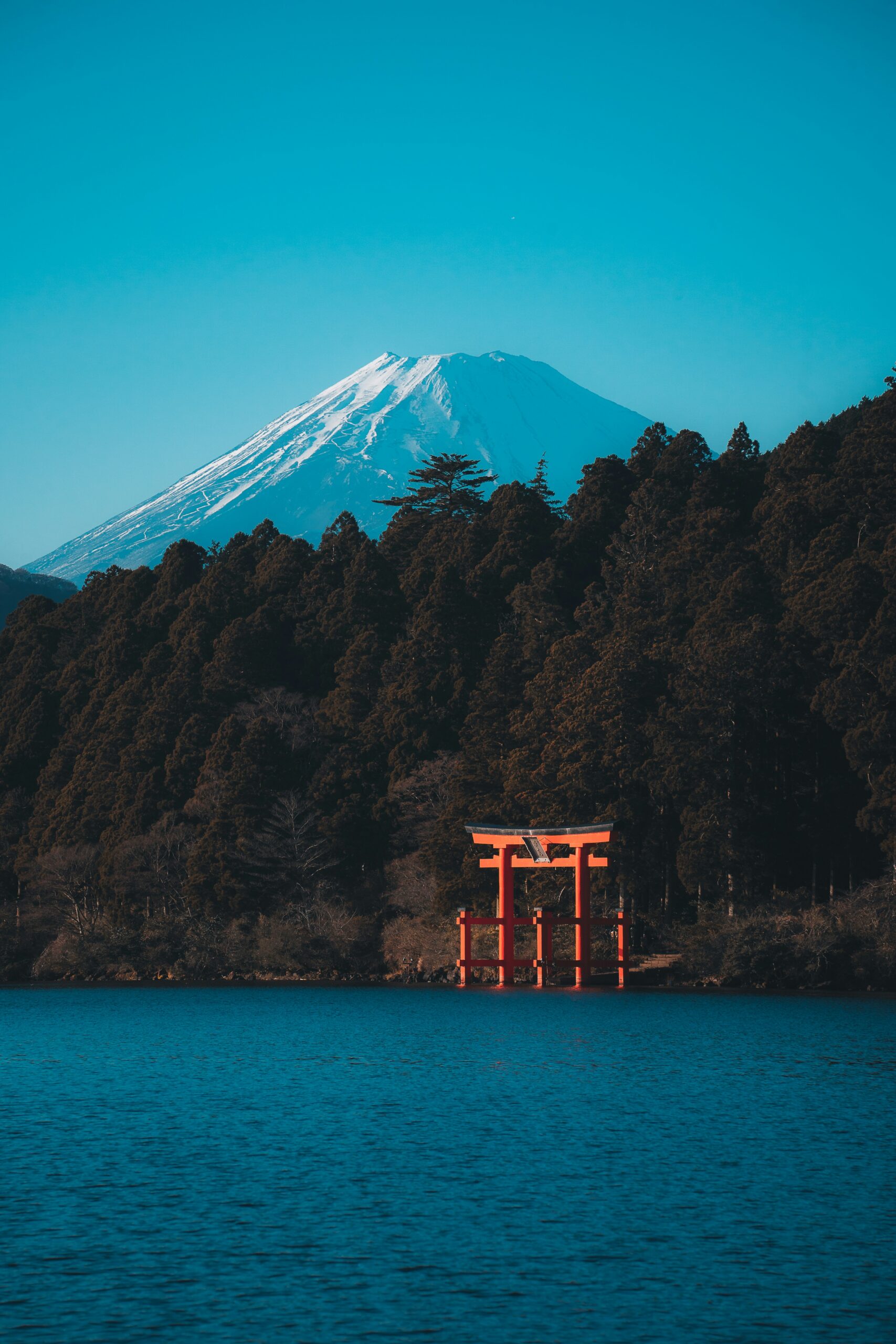
Tokyo is one of the greatest cities on earth, but it is also one of the best bases in Asia for day tripping. Every destination on this list is reachable in under two hours from Shinjuku Station, meaning you can leave after breakfast, spend a full day exploring ancient temples, hiking mountain trails, soaking in hot springs, or wandering Edo-era shopping streets, and still be back in time to explore Golden Gai or Tokyo’s largest hot spring right near Tokyo. These are the 12 best day trips from Tokyo that are actually worth your time, chosen for how much they deliver relative to how little time they cost.
By Tokyo Becky
All destinations on this list: Under 2 hours from Shinjuku Station
Best overall day trip: Kamakura (1 hr via JR Shonan-Shinjuku Line)
Best for Mount Fuji views: Hakone (85 min via Odakyu Romancecar from Shinjuku) or Kawaguchiko (2 hrs via highway bus)
Best for history: Nikko (2 hrs via JR/Tobu Limited Express) or Kamakura
Best for nature and hiking: Mount Takao (50 min via Keio Line from Shinjuku)
Best for hot springs: Hakone
Best for Edo-era streets: Kawagoe (50 min via Seibu Shinjuku Line)
Best for the coast: Enoshima (70 min via Odakyu from Shinjuku)
Least crowded: Okutama or Chichibu
Key rail pass tip: The JR Pass covers Kamakura, Nikko (partial), Okutama, and Mount Fuji area routes. Hakone is best with the Hakone Free Pass (from Odakyu). Kawagoe via Seibu and Mount Takao via Keio are not JR Pass routes.
Main departure station: Shinjuku (all routes on this list depart from or pass through Shinjuku)
1. Kamakura: Ancient Capital, Giant Buddha, and Ocean Views
Kamakura tops nearly every list of the best day trips from Tokyo, and for very good reason. Just under an hour from Shinjuku via the JR Shonan-Shinjuku Line (around 55 minutes direct to Kamakura Station), this coastal former capital packs more than 65 temples and shrines into a compact, walkable area backed by wooded hills and facing Sagami Bay. The unmissable centerpiece is the Kotoku-in Great Buddha, a 13.35-meter bronze statue cast in 1252 that has stood in the open air since the hall surrounding it was destroyed by a typhoon in 1498.
Beyond the Buddha, the Tsurugaoka Hachimangu shrine complex at the heart of the city is one of the most important Shinto sites in eastern Japan, and the bamboo-lined Hokokuji Temple garden is one of the most photographed spots in the entire Kanto region. The Enoden railway connects Kamakura to Enoshima along a beautiful coastal route, making it easy to combine both destinations in a single day if you start early. Kamakura is the most well-rounded of all the best day trips from Tokyo: history, nature, coast, and food all in one place.
🔗 Kamakura Historical Walking Tour with the Great Buddha
🔗 Kamakura Private Tour: Temples, Nature, and the Great Buddha
2. Yokohama: Japan’s Most Cosmopolitan Port City
Yokohama is one of the easiest and most rewarding best day trips from Tokyo, just 30 minutes from Shinjuku via the JR Shonan-Shinjuku Line to Yokohama Station. Japan’s second-largest city and its most important historic port, Yokohama has a character quite unlike Tokyo: wider boulevards, a more relaxed pace, and a long international history visible in everything from its Meiji-era brick warehouses to the largest Chinatown in Japan.
The waterfront Minato Mirai district is home to the Landmark Tower (Japan’s second-tallest building, with a Sky Garden observation deck on the 69th floor), the Yokohama Red Brick Warehouse complex, and a beautifully restored harbor promenade. Yokohama Chinatown, just a short walk from the harbor, is a genuine and atmospheric destination in its own right, packed with over 600 restaurants and shops and one of the most satisfying places in Japan for dim sum and Cantonese roast meats.
The Cup Noodles Museum is a quirky and surprisingly compelling attraction where visitors can design their own custom instant noodle cup. Yokohama is the most accessible of the best day trips from Tokyo and works particularly well for travelers who want a cosmopolitan city experience rather than temples and nature.
🔗 Yokohama 4hr Private Tour with Government-Licensed Guide
🔗 Yokohama: Guided Cup Noodles Museum Tour & Make Your Own Cup
🔗 APA Hotel & Resort Yokohama Bay Tower
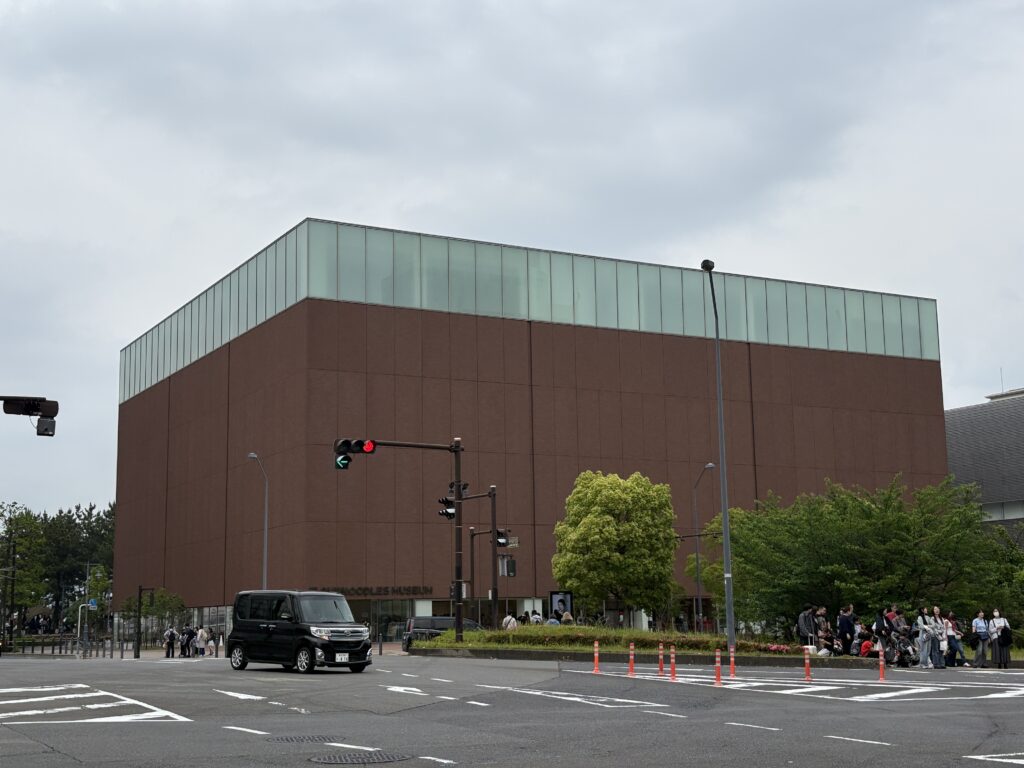
Not what you were expecting the Cup Noodles Museum in Yokohama to look like?, Photo by Tokyo Becky
3. Hakone: Hot Springs, Open-Air Art, and Mount Fuji Views
Hakone is the most spectacular of all the best day trips from Tokyo for scenery, combining hot spring towns, a caldera lake, dramatic mountain landscapes, and on clear days some of the finest views of Mount Fuji available from anywhere in Japan. The journey from Shinjuku takes around 85 minutes via the Odakyu Romancecar Limited Express directly to Hakone-Yumoto, and the Hakone Free Pass (available from Odakyu at Shinjuku, currently around 6,000 yen for two days) covers all transport within the Hakone area including the mountain railway, cable car, ropeway, and Lake Ashi ferry.
The Hakone Open-Air Museum is one of Japan’s finest sculpture parks, with a remarkable permanent collection including works by Henry Moore, Picasso, and Rodin set against the surrounding mountains. A ride on the Hakone Ropeway over the volcanic Owakudani crater is among the most dramatic sightseeing experiences in the Kanto region. The Lake Ashi cruise is particularly stunning in the early morning when Fuji is visible above the tree line. Plan your trip on a weekday if possible, since Hakone is extremely popular with Tokyo residents on weekends and the transport network can feel crowded during peak periods.
🔗 Hakone 6 Hour Private Tour with Government-Licensed Guide
🔗 Private Tour: Hakone Day Trip! A Tour to Explore All Must-Sees!
4. Kawagoe: Little Edo, Big Character
Kawagoe is the best day trip from Tokyo for travelers who want a taste of Edo-period Japan without the long journey to Kyoto or Nara. Around 50 minutes from Shinjuku via the Seibu Shinjuku Line (or about 30 minutes from Ikebukuro via the Tobu Tojo Line), Kawagoe earned its nickname of “Little Edo” because its historic kurazukuri warehouse district survived the fires and earthquakes that destroyed most of old Tokyo. The dark-plastered, tile-roofed warehouse buildings along Ichibangai Street now house confectionery shops, sake breweries, craft stores, and cafes, and the area has an atmosphere that genuinely transports you back to the Edo period in a way that few places in the greater Tokyo area can match.
The Toki no Kane bell tower, which has been ringing on the hour since the 17th century, is the most photographed landmark in the city. Kashiya Yokocho, the candy alley, is a narrow lane of old-fashioned sweet shops that has been operating since the Meiji era and is particularly enjoyable for families. Kawagoe is one of the best day trips from Tokyo precisely because it feels like somewhere that has nothing to do with Tokyo: unhurried, local, and genuinely charming.
🔗 Kawagoe: Family-Friendly Kimono & Yukata Experience at WARGO
5. Mount Takao: Tokyo’s Most Beloved Hiking Mountain
Mount Takao (Takao-san) is the most visited mountain in the world according to some estimates, and once you make the trip it is immediately clear why. Just 50 minutes from Shinjuku Station via the Keio Line to Takaosanguchi Station, this 599-meter sacred mountain on the western edge of Tokyo offers eight well-marked hiking trails ranging from an easy paved path (Trail 1, popular with elderly visitors and families) to a steeper forested route through ancient cedar trees. The summit rewards hikers with views over the Kanto Plain and, on clear winter and early spring days, a stunning panoramic view of Mount Fuji.
Yakuoin Temple, a striking Tengu-themed Buddhist complex midway up the mountain, is one of the most atmospheric temple complexes in the Tokyo area. A cable car and chairlift are available for those who want to reach the upper slopes without hiking. Mount Takao is one of the best day trips from Tokyo for outdoor enthusiasts and is particularly beautiful in autumn (mid-November to early December) when the maple and ginkgo trees turn red and gold. The mountain is crowded on autumn weekends; a midweek morning visit in November is one of the finest experiences available from Tokyo in any season.
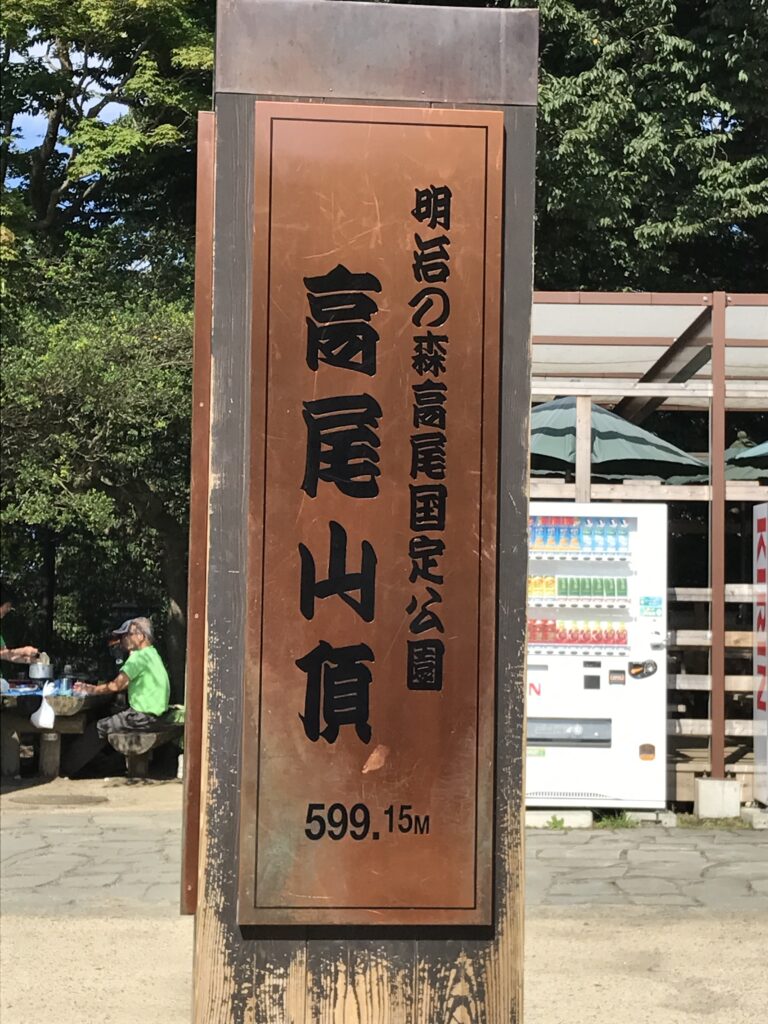
At the top of Mt. Takao, Japan, Photo by Tokyo Becky
6. Nikko: Opulent Shrines and Dramatic Mountain Scenery
Nikko is the grandest and most ornate of all the best day trips from Tokyo, a UNESCO World Heritage mountain town north of the city whose shrine and temple complex is one of the most lavishly decorated in all of Japan. The journey from Shinjuku takes around two hours via the JR/Tobu Limited Express Nikko or Spacia services (fare approximately 4,000 yen), which run directly from Shinjuku Station to Tobu-Nikko Station. The centerpiece is Toshogu Shrine, the mausoleum of Tokugawa Ieyasu, the first Tokugawa shogun, built in 1617 and covered in extraordinary gold-leaf carvings, lacquerwork, and sculptures including the famous three wise monkeys.
The surrounding complex of Futarasan Jinja and Rinnoji Temple, all set within a forest of towering cedar trees, is a genuinely awe-inspiring ensemble. Beyond the shrines, Nikko’s Oku-Nikko region offers Kegon Falls (one of Japan’s three great waterfalls), the scenic Lake Chuzenji, and onsen resorts. Nikko is best enjoyed by those who start early from Tokyo, as the shrine complex deserves at least three to four hours to explore properly. It is one of the best day trips from Tokyo for those who want to understand the power and aesthetic ambition of Japan’s Edo-period rulers.
🔗 Nikko Full-Day Private Tour with Government-Licensed Guide
🔗 Nikko Early Morning Tour (Tokyo Departure Option Available)
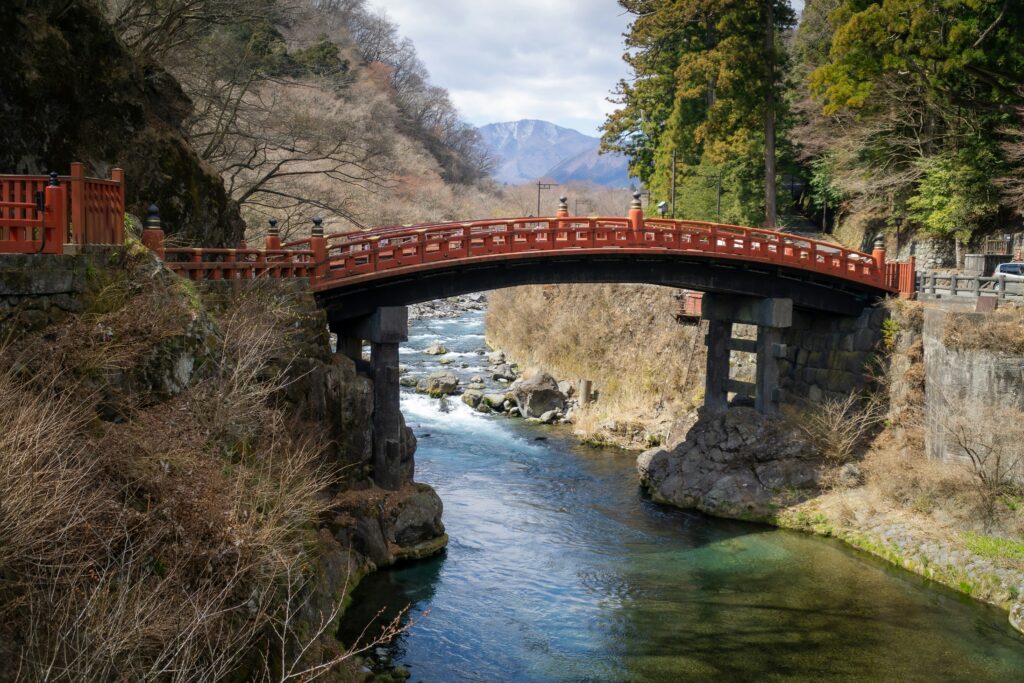
Nikko, Japan, Aaron Katz, Unsplash
7. Enoshima: Coastal Shrine Island and Pacific Views
Enoshima is a small island connected to the mainland by a long pedestrian bridge and home to one of Japan’s three Benzaiten shrines, making it one of the most pleasantly surprising best day trips from Tokyo for those who have not yet heard of it. Around 70 minutes from Shinjuku via the Odakyu Line to Katase-Enoshima Station, the island is compact enough to explore entirely on foot in half a day, yet packed with enough character to easily fill a full one. The approach along the Bentendaikodo covered shopping street, lined with dried seafood stalls, shirasu (baby anchovy) restaurants, and souvenir shops, sets a festive tone long before you reach the shrines and gardens at the island’s center.
The Samuel Cocking Garden at the top of the island offers panoramic views over Sagami Bay and, on clear days in winter, a striking view of Mount Fuji above the Pacific. The sea caves (Iwaya Caves) at the island’s far western end are atmospheric and unusual. Most visitors combine Enoshima with Kamakura via the scenic Enoden coastal railway, which makes for one of the best combined day trips from Tokyo available anywhere in the Kanto region.
🔗 Gourmet Food and Temple Visit Tour in Enoshima
🔗 Enoshima: An Island of Enduring Love — Sea, Shrine & Shared Life
8. Kawaguchiko: The Best Place to See Mount Fuji
Kawaguchiko is Japan’s most famous lake and the single best place in the country to photograph Mount Fuji reflected in water, and it sits just under two hours from Shinjuku via the Fujikyu Highway Bus (departing from Shinjuku Expressway Bus Terminal, fare approximately 1,800 to 2,000 yen one way, no reservation typically needed except in peak season). Lake Kawaguchi is the most accessible of the five Fuji Five Lakes and offers a full day of activity around its perimeter: the Kawaguchiko Herb Garden provides classic Fuji reflection shots in lavender season, the Chureito Pagoda offers the iconic postcard view of Fuji framed by cherry blossoms or autumn leaves depending on season, and the Fuji-Q Highland amusement park sits at the lake’s eastern end for thrill-seekers.
The Kawaguchiko Music Forest Museum and several small art museums line the northern shore. On a clear day, Kawaguchiko is one of the genuinely great spectacles of Japan and makes for a deeply satisfying best day trip from Tokyo. On a cloudy day, visibility is limited and the trip less rewarding, so always check the Fujisan webcam the evening before and be prepared to rearrange plans accordingly.
🔗 Tokyo: Mt. Fuji & Lake Kawaguchiko 1-Day Bus Tour w/Optional Lunch
9. Okutama: Tokyo’s Wild Mountain Backyard
Okutama is the best day trip from Tokyo for anyone who wants genuine mountain wilderness within the city’s own administrative boundaries, which is a genuinely strange and wonderful thing to be able to say. Around 90 minutes from Shinjuku via the JR Chuo Line to Tachikawa and then the JR Ome Line to Okutama Station, this remote valley in western Tokyo Prefecture feels completely removed from the metropolitan area, with forested peaks, clear mountain rivers, old stone bridges, and hiking trails that would not be out of place in the Japanese Alps.
The Okutama Lake (Ogochi Reservoir) is the primary source of Tokyo’s drinking water and a beautiful destination in its own right, with walking paths along its wooded shores. The Mukashi Michi trail, an old walking route along the Tama River gorge, is one of the most enjoyable easy walks in the greater Tokyo area. Okutama is the least crowded destination on this list and is particularly popular with Japanese hikers and cyclists who want to escape the city without going far. It is a deliberately quiet day and all the better for it.
🔗 Tokyo’s Hidden Nature Cycling Tour: Okutama Historical Road Tour
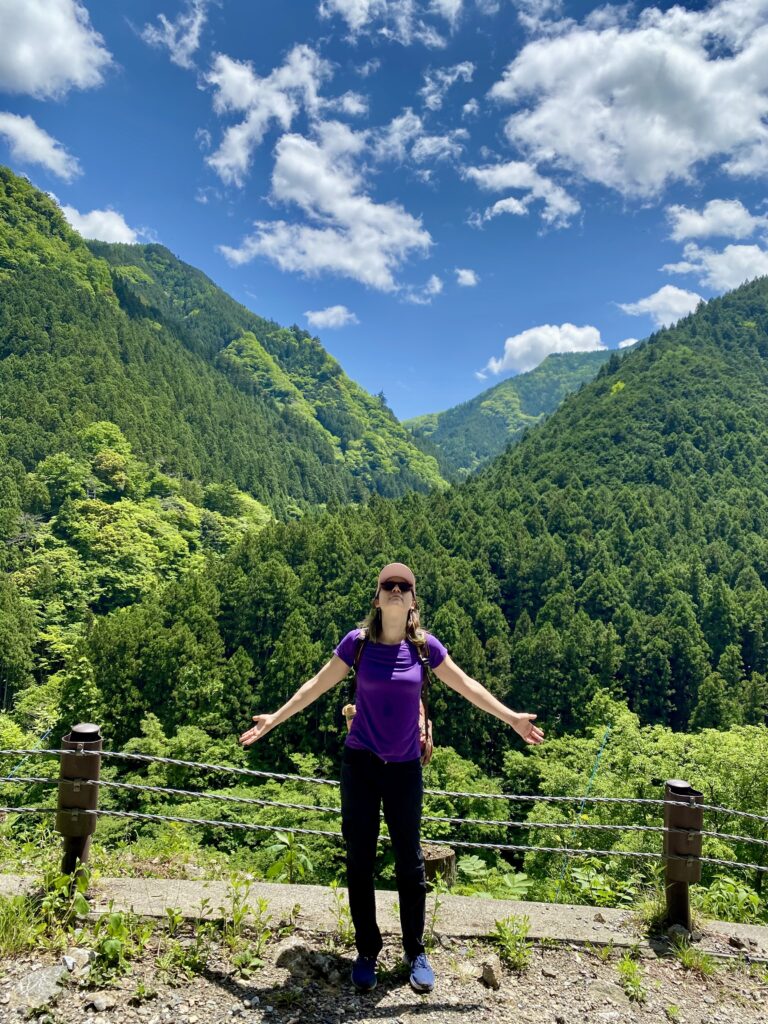
Tokyo Becky escaping into nature in Okutama
10. Chichibu: Mountain Temples and Seasonal Spectacles
Chichibu is one of the most underrated best day trips from Tokyo, a small city in the mountains of Saitama Prefecture that most foreign visitors overlook entirely and most Tokyo locals quietly treasure. Around 80 minutes from Shinjuku via the Seibu Chichibu Limited Express (fare approximately 790 yen), Chichibu offers an extraordinary variety of experiences depending on the season.
In January and February, the hillside at Hitsujiyama Park becomes one of Japan’s most spectacular winter flower fields, with over 5 million kochia and shibazakura (moss phlox) blooms turning the slope vivid pink and purple in what is known as the Chichibu Shibazakura Festival. In summer and autumn the surrounding mountains offer excellent hiking, particularly around the Mitsumine Shrine complex, a dramatic wolf-deity shrine at 1,102 meters accessible by bus from Chichibu Station. The Chichibu Yomatsuri night festival, held every December 2 and 3, is one of Japan’s three great float festivals and a remarkable spectacle. The local Chichibu whisky, produced by the Venture Whisky distillery, has become internationally recognized and can be tasted at local bars and shops. Chichibu rewards curious travelers who venture beyond the standard day trip circuit.
🔗 Tokyo Day Trip Chichibu Pilgrimage Shared Walking Tour
🔗 Chichibu’s Weaving Story: A Journey of Tradition and Festival
11. Odawara: Castle Town Gateway to Hakone
Odawara earns its place among the best day trips from Tokyo as both a rewarding destination in its own right and the natural gateway city to Hakone. Around 75 minutes from Shinjuku via the JR Shonan-Shinjuku Line or Odakyu Limited Express, Odawara is a quietly attractive castle town with more historical significance than its modest tourist profile might suggest.
Odawara Castle, a fully restored white-walled fortress surrounded by a moat and cherry trees, was the headquarters of the Hojo clan, who ruled the Kanto region for much of the Sengoku period, and the castle history museum inside is one of the better small castle museums in the Tokyo day trip circuit. The castle grounds are particularly beautiful during cherry blossom season in late March and early April, when the moat reflections rival Hirosaki and Matsumoto for atmosphere.
The old town area below the castle has a pleasant covered shopping street and several excellent kamaboko (fish cake) shops, a local specialty that Odawara has been famous for since the Edo period. Odawara is easily combined with a half-day in Hakone on the same trip: take the Romancecar from Shinjuku, stop in Odawara for the castle, then continue into Hakone on the Hakone Tozan Line.
🔗 Forest Bathing in Temple and Enjoy Onsen with Healing Power in Odawara
12. Narita: Ancient Temple Town Worth Far More Than an Airport Stop
Most travelers know Narita only as Tokyo’s international airport, which means the ancient temple town at its heart is one of the most undervisited best day trips from Tokyo available anywhere in the Kanto region. Around 90 minutes from Shinjuku via the JR Sobu Line to Chiba and Narita, or slightly faster via the Kesei Line from Nippori, the town of Narita is home to Naritasan Shinshoji Temple, a vast and deeply impressive Buddhist complex that draws over 12 million visitors a year from across Japan, making it one of the most visited temples in the entire country.
The temple grounds include a beautiful traditional garden, multiple pagodas, and a main hall where Fudo-myo (the immovable deity, protector of travelers) has been enshrined since 940 AD. The Omotesando approach road leading from the station to the temple is one of the finest preserved historic shopping streets in the Tokyo area, lined with eel restaurants (Narita unaju is a beloved local specialty), sake shops, and traditional craft stores in buildings that date back to the Edo period.
Narita is an excellent option for travelers on departure day if they have a few hours before their flight, but it also deserves a dedicated visit as one of the most distinctive and atmospheric best day trips from Tokyo that few foreign visitors think to make.
🔗 Narita Airport Users: Enjoy a Layover or Transit Guided Private Tour
How to Get to Each Destination from Shinjuku Station
| Destination | Route from Shinjuku | Journey Time | JR Pass? |
|---|---|---|---|
| Kamakura | JR Shonan-Shinjuku Line (direct) | ~55 min | Yes |
| Yokohama | JR Shonan-Shinjuku Line (direct) | ~30 min | Yes |
| Hakone | Odakyu Romancecar (direct to Hakone-Yumoto) | ~85 min | No (use Hakone Free Pass) |
| Kawagoe | Seibu Shinjuku Line to Hon-Kawagoe | ~50 min | No (private line) |
| Mount Takao | Keio Line to Takaosanguchi | ~50 min | No (Keio Line) |
| Nikko | JR/Tobu Limited Express Nikko (direct) | ~2 hrs (~4,000 yen) | Partial (extra fee applies) |
| Enoshima | Odakyu Line to Katase-Enoshima | ~70 min | No (Odakyu Line) |
| Kawaguchiko | Fujikyu Highway Bus from Shinjuku Bus Terminal | ~2 hrs (~1,800-2,000 yen) | No (bus) |
| Okutama | JR Chuo Line to Tachikawa, then JR Ome Line | ~90 min | Yes |
| Chichibu | Seibu Chichibu Limited Express from Seibu-Shinjuku | ~80 min (~790 yen) | No (Seibu Line) |
| Odawara | JR Shonan-Shinjuku Line or Odakyu Limited Express | ~75 min | Yes (JR route) |
| Narita | JR Sobu Line to Chiba, then JR Narita Line; or Keisei Line from Nippori | ~90 min | Yes (JR route) |
Frequently Asked Questions: Best Day Trips from Tokyo
What is the best day trip from Tokyo?
Kamakura is widely considered the best day trip from Tokyo for first-time visitors. Around 55 minutes from Shinjuku via the JR Shonan-Shinjuku Line, it combines the Great Buddha of Kotoku-in, over 65 temples and shrines, coastal scenery, and excellent food in one compact, walkable destination. For Mount Fuji views, Hakone is the best day trip from Tokyo. For history and shrine architecture, Nikko is exceptional.
How far is Kamakura from Tokyo?
Kamakura is approximately 50 km south of central Tokyo. The fastest route from Shinjuku is the JR Shonan-Shinjuku Line, which takes around 55 minutes directly to Kamakura Station. The JR Pass covers this route. From Tokyo Station, the JR Yokosuka Line to Kamakura takes around 55 minutes as well.
Is Hakone worth visiting as a day trip from Tokyo?
Yes, Hakone is absolutely worth visiting as a day trip from Tokyo. The Odakyu Romancecar takes around 85 minutes from Shinjuku to Hakone-Yumoto, and the Hakone Free Pass (around 6,000 yen for two days) covers the mountain railway, cable car, ropeway, and Lake Ashi ferry. On a clear day, views of Mount Fuji from the ropeway and lake are among the finest in Japan. Visit on a weekday to avoid crowds.
What is the easiest day trip from Tokyo for families?
Kamakura and Yokohama are the easiest day trips from Tokyo for families. Kamakura’s Great Buddha and Tsurugaoka Hachimangu shrine are immediately engaging for children, and the Enoden tram along the coast adds a fun transport element. Yokohama’s Cup Noodles Museum, Chinatown, and harbor area are all very family-friendly. Both are under an hour from Shinjuku on direct JR trains.
Do I need a JR Pass for day trips from Tokyo?
The JR Pass covers day trips to Kamakura, Yokohama, Okutama, Odawara (JR route), and Narita (JR route). It does not cover Hakone via Odakyu (use the Hakone Free Pass instead), Kawagoe via Seibu, Mount Takao via Keio, Chichibu via Seibu, or the bus to Kawaguchiko. A Suica or Pasmo IC card is the most convenient payment method for all routes not covered by the pass. Whether the JR Pass pays off depends on how many JR routes you use across your entire trip.
When is the best time to do day trips from Tokyo?
Spring (late March to early April) and autumn (mid-November) are the most scenic times for day trips from Tokyo. Cherry blossoms transform Kamakura, Odawara, and Kawagoe, while autumn foliage is spectacular at Mount Takao, Nikko, and Chichibu. Hakone and Kawaguchiko offer the best Mount Fuji visibility in late autumn and winter (November to February), when the air is clearest. Avoid Golden Week (late April to early May) and Obon (mid-August) when all destinations are at peak crowds.
What is Kawagoe famous for?
Kawagoe is famous for its well-preserved Edo-period kurazukuri (warehouse-style) buildings along Ichibangai Street, which earned it the nickname “Little Edo.” The city is also known for the Toki no Kane bell tower (ringing on the hour since the 17th century), the Kashiya Yokocho candy alley dating from the Meiji era, and several prominent Shinto shrines including Hikawa Shrine. Kawagoe sweet potato products are a popular local specialty.
Can I see Mount Fuji on a day trip from Tokyo?
Yes, Mount Fuji is visible on clear days from several best day trips from Tokyo, with Kawaguchiko and Hakone offering the most reliable and dramatic views. Lake Kawaguchiko is the most famous location for Fuji reflection photography. Hakone’s ropeway over Owakudani and the Lake Ashi cruise both offer excellent Fuji views on clear days. Always check weather and visibility forecasts the evening before, as clouds frequently obscure the mountain, particularly in summer and rainy season (June to July).
Which day trip from Tokyo is least crowded?
Okutama and Chichibu are consistently the least crowded of the best day trips from Tokyo, particularly among foreign visitors. Both are popular with Japanese hikers and locals but almost completely off the tourist circuit. Narita town (separate from the airport) is also remarkably uncrowded for such an accessible and rewarding destination. For well-known destinations, Nikko on a weekday in autumn is far less crowded than on weekends, and Kawagoe is most peaceful on weekday mornings before tour groups arrive.
Which Day Trip from Tokyo Should You Choose?
The best day trips from Tokyo depend entirely on what you are looking for, and the good news is that every option on this list delivers something genuinely different. First-time visitors should make Kamakura non-negotiable: it is close, beautiful, historically rich, and endlessly rewarding. Anyone traveling with children will find Yokohama and Kamakura the most effortless options. Outdoor lovers should head to Mount Takao for a quick hit or Okutama for a full mountain escape. Those chasing Fuji views need a clear day and either Hakone or Kawaguchiko.
History enthusiasts who have not yet been to Nikko are missing one of the most extraordinary built environments in Japan. And anyone who wants to feel like they have truly wandered off the tourist map should take the Seibu Limited Express to Chichibu, find a river-facing restaurant, and spend a slow afternoon in a town that feels like it belongs to a completely different era. Tokyo’s position at the center of the Kanto rail network makes all of this possible in a single day. The only question is where to go first.



0 Comments