
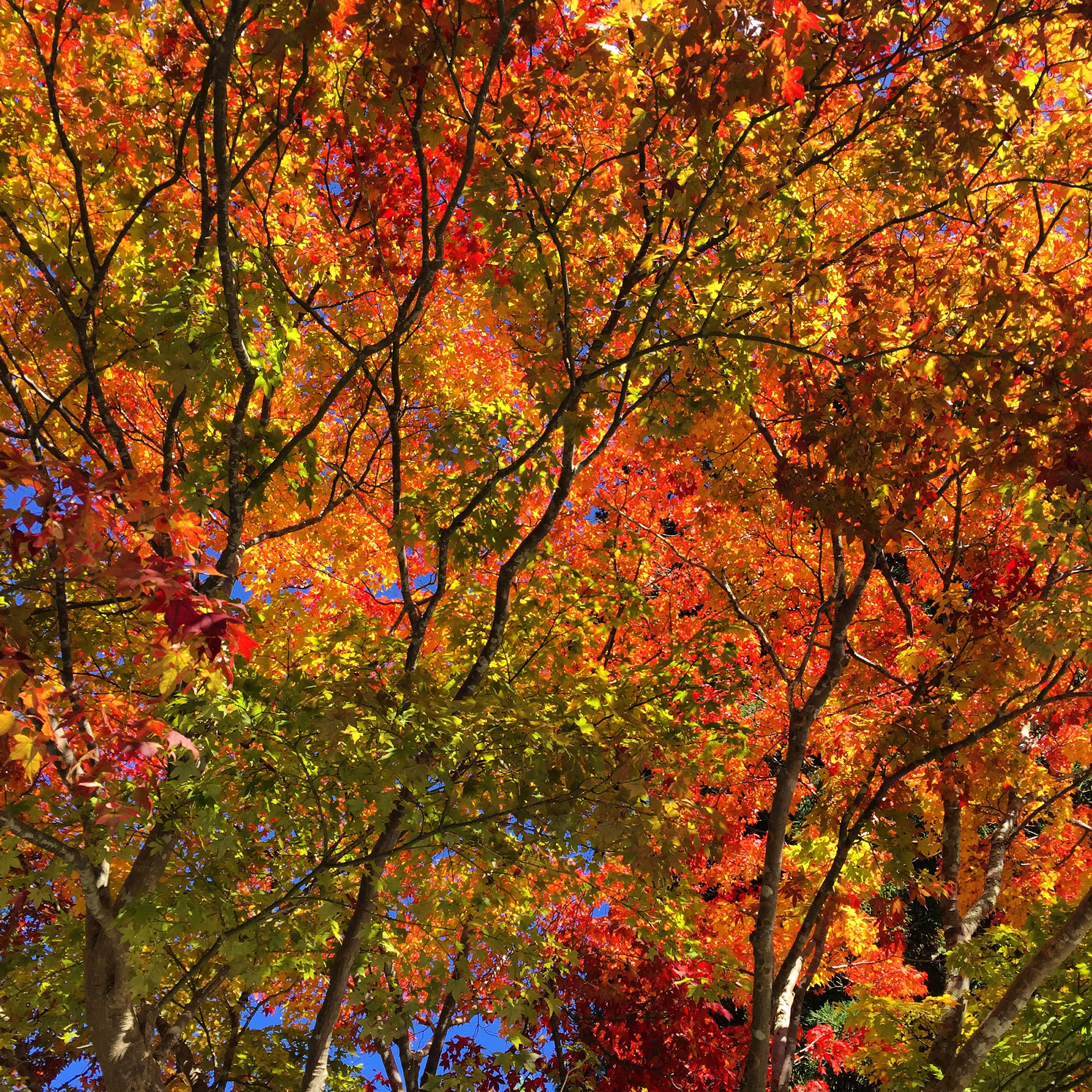
The best places to see autumn leaves in Japan stretch from the mountains of Hokkaido to the volcanic landscapes of Kyushu. Tokachidake Onsen, Hachimantai, Oze, Nikko, Kamikochi, Mt. Koya, Kankakei Gorge and Kirishima are among the country’s most spectacular destinations for fall foliage.
By Tokyo Becky
Japan may be famous for its cherry blossoms, but come autumn, much of the country undergoes an equally dramatic transformation. Japanese maples turn scarlet, beech forests shift to gold and orange, mountain grasses become bronze, and the colors gradually travel south as temperatures fall. The Japanese term commonly used for leaves changing color is koyo, while momijigari refers to the tradition of going out to admire the autumn leaves.
Best Places to See Autumn Leaves in Japan at a Glance
| Place | Region | Typical autumn window | Best for |
|---|---|---|---|
| Tokachidake Onsen | Hokkaido | September to early October | Early foliage and mountain views |
| Lake Toyoni | Hokkaido | Late September to October | Remote wilderness |
| Shikotsu-Toya National Park | Hokkaido | October | Lakes, valleys and volcanoes |
| Hachimantai | Tohoku | October | Scenic drives and hiking |
| Bandai-Azuma Skyline | Fukushima | Late September to October | Mountain road trips |
| Oze National Park | Kanto and Tohoku | Late September to early October | Golden marshlands |
| Nikko National Park | Tochigi | Mid-October to early November | Easy trip from Tokyo |
| Myoko-Togakushi Renzan | Niigata and Nagano | October | Waterfalls |
| Kamikochi | Nagano | October to early November | Japanese Alps |
| Hakusan National Park | Central Japan | September to early November | Mountain drives |
| Genbudo Park | Hyogo | November to early December | Rock formations and foliage |
| Kankakei Gorge | Kagawa | November | Gorge and ropeway views |
| Namego Valley | Nara | Late October to November | Photography |
| Mt. Koya | Wakayama | Late October to mid-November | Temples and Buddhist culture |
| Aso-Kuju National Park | Kyushu | October to November | Grasslands and volcanoes |
| Kirishima-Kinkowan National Park | Kyushu | Late October to early December | Crater lakes and shrines |
Japan’s long shape and varied elevations create an unusually lengthy foliage season. The first colors can appear in the mountains of Hokkaido in September, followed by northern and high-altitude areas in October. Much of central and western Japan reaches peak color during November, while some southern and lower-elevation destinations can remain colorful into early December. If you want to get beyond the standard city parks, Japan’s national parks and mountain regions contain some of the country’s most extraordinary autumn landscapes. Here are 16 of the best places to see autumn leaves in Japan, from crater lakes and mountain roads to temple towns, waterfalls, marshlands and remote valleys.
1. Tokachidake Onsen, Hokkaido
Prefecture: Hokkaido
Typical peak: September to early October
Nearest major city or station: Furano and Biei
Best for: Early autumn colors, mountain scenery and hot springs
Where to stay: Ryounkaku in Tokachidake Onsen
Tokachidake Onsen is one of the best places in Japan for travelers who want to see autumn colors early in the season. High in the Tokachidake mountain range near Furano and Biei, the hot-spring area sits at around 1,280 meters above sea level. Its elevation means autumn can arrive considerably earlier here than in Tokyo, Osaka or other lower-elevation areas farther south.
As temperatures begin to fall, the mountainsides change through shades of crimson, orange and yellow against a backdrop of rugged volcanic peaks. The area around Mt. Kamihorokametoku is particularly striking as the autumn colors gradually travel down the mountain. Depending on the timing of your visit, you may even see fiery foliage contrasting with traces of early snow at the highest elevations.
Tokachidake is also an excellent destination if you want to combine autumn sightseeing with an outdoor onsen. After a day exploring the mountain landscape, you can soak in hot spring water while looking out across the surrounding peaks.
2. Lake Toyoni, Hokkaido
Prefecture: Hokkaido
Typical peak: Late September to October
Nearest major city or station: Erimo (Hidaka / Tokachi region)
Best for: Wilderness, photography and secluded scenery
Where to stay: Erimo is one of the most practical areas to search for accommodation. Because hotels immediately around the lake are extremely limited, I recommend linking to Booking.com’s Erimo accommodation listings rather than presenting one property as the closest option.
Private Hokkaido drivers, customized Tokachi excursions or private nature tours. Given how remote this destination is, a self-drive option is often more practical than a set-departure tour.
Search for Rental Cars in JapanLake Toyoni is a superb choice for travelers who want to experience autumn foliage surrounded almost entirely by wilderness. Hidden in the forests of the Hidaka Mountains in southeastern Hokkaido, Lake Toyoni is particularly famous for its unusual heart-like appearance when viewed from above.
From ground level, however, the real autumn attraction is the dense forest surrounding the water. As temperatures cool, the trees change through shades of yellow, orange and red, turning the secluded lake into an especially peaceful fall destination. A walking route of roughly one kilometer circles the lake, making it possible to experience the forest and shoreline at a leisurely pace.
Lake Toyoni is considerably more remote than many of the other destinations in this guide. Reaching it requires driving through a sparsely populated part of Hokkaido, including a forest road on the final approach. That extra effort is part of the attraction for travelers who want to escape Japan’s better-known foliage spots.
3. Shikotsu-Toya National Park, Hokkaido
Prefecture: Hokkaido
Typical peak: October
Nearest major city or station: Sapporo
Best for: Lakes, hot springs, volcanic landscapes and easy excursions from Sapporo
Where to stay: Lake Shikotsu Tsuruga Resort Spa Mizu no Uta is an excellent choice for Lake Shikotsu. If you are focusing on Noboribetsu, Dai-ichi Takimotokan is a more convenient base.
Lake Shikotsu and Noboribetsu day trips from Sapporo
Book a Lake Shikotsu Day Trip from SapporoShikotsu-Toya National Park combines autumn leaves with clear lakes, forested valleys, volcanic landscapes and some of Hokkaido’s best-known hot springs. At Lake Shikotsu, broadleaf trees color the mountains surrounding the remarkably clear water. There are several ways to enjoy the scenery, including walking along the lakeshore, taking a sightseeing boat or getting closer to the water by canoe or kayak.
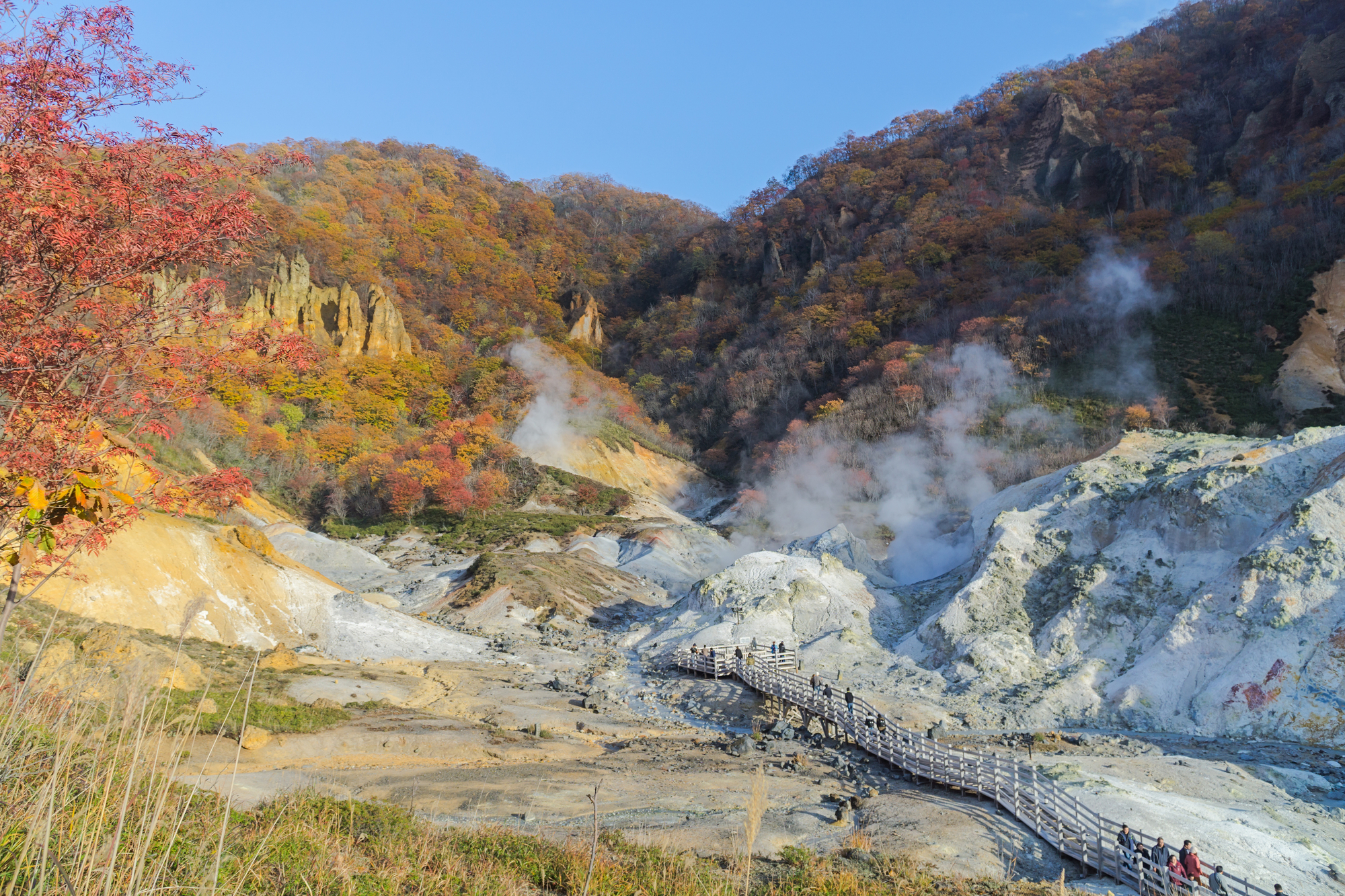
Jozankei offers another beautiful autumn experience and is particularly convenient for travelers staying in Sapporo. The bright red Futami Suspension Bridge crosses a forested valley, while paths along the Toyohira River provide views of the surrounding mountains. Farther south, Noboribetsu Jigokudani provides an entirely different setting. Steam rises through an exposed volcanic valley while the surrounding trees turn red and gold. The combination of volcanic rock, geothermal activity and autumn leaves makes it one of Hokkaido’s most unusual seasonal landscapes.
4. Hachimantai, Towada-Hachimantai National Park
Prefecture: Akita and Iwate
Typical peak: October
Nearest major city or station: Morioka
Best for: Scenic drives, hiking, ponds and mountain landscapes
Where to stay: Hachimantai Mountain Hotel
Hachimantai is one of Japan’s best autumn destinations for travelers who prefer vast mountain landscapes to manicured gardens. The Hachimantai plateau spreads across Akita and Iwate prefectures and contains forests, marshlands, volcanic features and high-altitude ponds.
Around Hachimannuma Pond, walking trails and wooden paths make it possible to explore the alpine scenery on foot. The changing grasses and low vegetation add gold and bronze to the surrounding autumn forests. Another beautiful area is Goshogake, where Onuma and Naganuma ponds are surrounded by forest. Reflections of the fall colors can be especially striking on calm days.
Kakkonda Gorge is another worthwhile stop, with mountain forests rising around a narrow gorge and waterways. Drivers should also consider the Hachimantai Aspite Line. This scenic mountain road crosses the plateau and provides an easy way to experience the enormous scale of the landscape without committing to a long hike.
5. Bandai-Azuma Skyline, Fukushima
Prefecture: Fukushima
Typical peak: Late September to October
Nearest major city or station: Fukushima City
Best for: Road trips, panoramic views and volcanic landscapes
Where to stay: Kagetsu Highland Hotel in Takayu Onsen
The Bandai-Azuma Skyline is one of the best places in Japan to experience autumn foliage from behind the wheel. This scenic mountain road winds through Bandai-Asahi National Park between the Takayu Onsen area and Jododaira.
Instead of traveling to one specific grove of colorful trees, visitors watch the scenery continually change as the road climbs through different elevations. The roughly 29-kilometer route passes dense forests, dramatic mountain viewpoints and stark volcanic terrain. In autumn, the varying elevations are particularly useful because the leaves do not necessarily reach peak color everywhere at the same time.
At higher points, the landscape becomes increasingly exposed and volcanic, creating a striking contrast with the fiery foliage covering the lower slopes.
6. Oze National Park
Prefecture: Kanto and Tohoku
Typical peak: Late September to early October
Nearest major city or station: Katashina
Best for: Marshlands, walking, hiking and golden autumn scenery
Where to stay: Mizubasho no Yado Higashi in Katashina is one practical base for exploring the region.
Guided hiking experiences and private nature excursions
Book a day trip hiking adventure in Oze National ParkOze is unusual because some of its most beautiful autumn colors appear in its grasses before the surrounding trees reach their peak. Across Ozegahara Marshland, grasses change from green to shades of yellow, bronze and rust as autumn begins.
The phenomenon is sometimes known as kusamomiji, which refers to grasslands taking on colors reminiscent of autumn leaves. Long wooden boardwalks cross the wetlands, allowing visitors to walk through the enormous marshland without damaging its delicate ecosystem.
As the season develops, the trees across the surrounding mountains begin to change as well. The result is a layered landscape of golden wetlands framed by orange and red forests. Oze requires more effort to reach than a city park, but that remoteness is part of its appeal.
7. Nikko National Park, Tochigi
Prefecture: Tochigi
Typical peak: Mid-October to early November for the Momiji Line, although the wider Nikko region varies considerably by elevation
Nearest major city or station: Tokyo
Best for: Tokyo side trips, waterfalls, temples, hot springs and mountain drives
Where to stay: Nikko Kinugawa Hotel Mikazuki
Nikko day tours from Tokyo, private Nikko tours or tours combining Nikko with hot springs
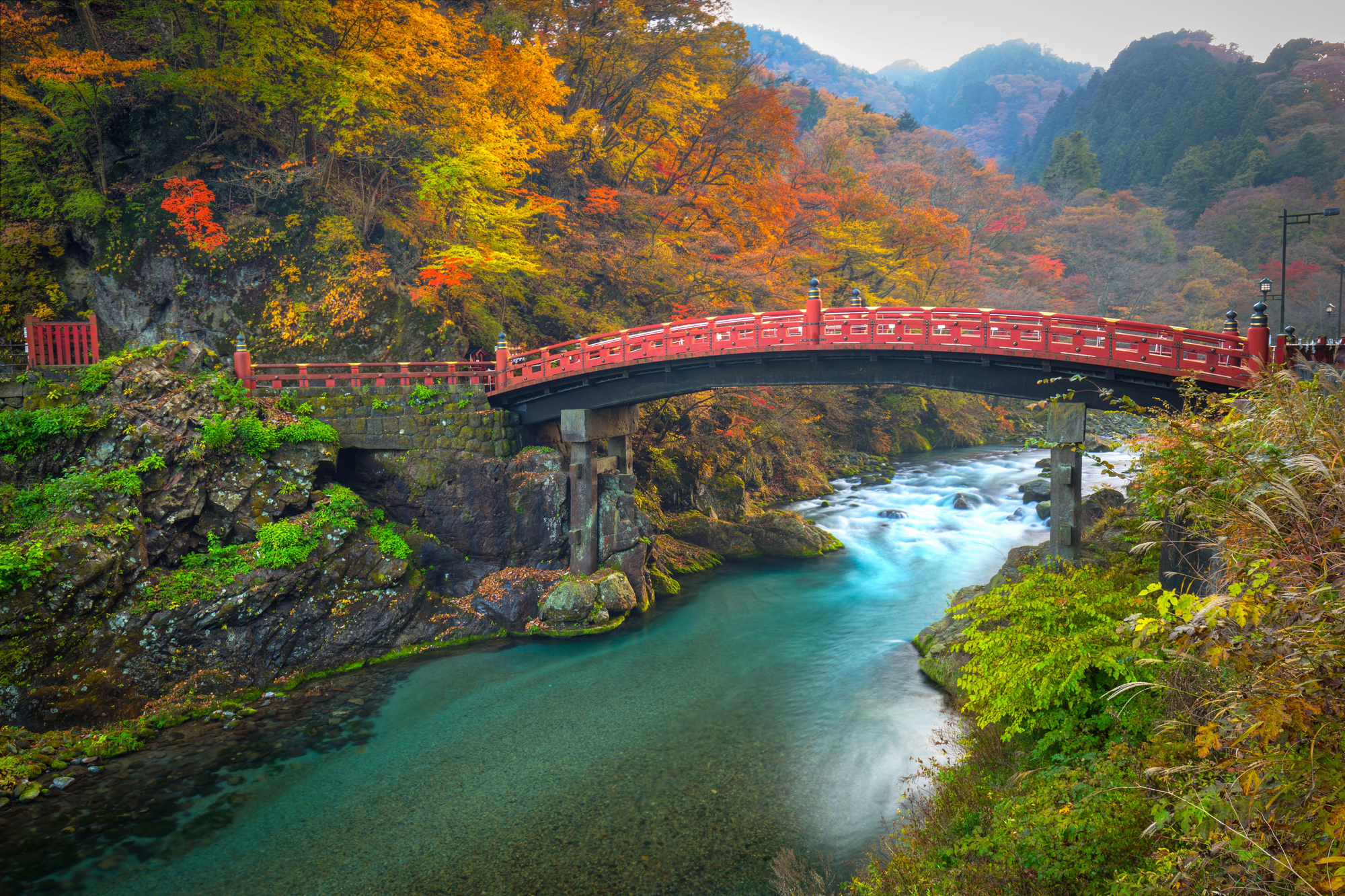
Book a day trip to Nikko, Kegon Waterfall & Chuzenji Lake from Tokyo Book a private day tour from Tokyo to see Nikko Shrines and NatureNikko is one of the best places to see autumn leaves in Japan within relatively easy reach of Tokyo. One of Nikko’s biggest advantages is its variation in elevation. The autumn colors gradually travel downward through the region rather than reaching their peak everywhere at once, which gives travelers a relatively long foliage season.
One particularly scenic drive is the Nichien Momiji Line. The road passes through forests and mountain scenery near hot-spring areas such as Kinugawa Onsen and Shiobara Onsen. Along the way, travelers can explore gorges, waterfalls and viewpoints surrounded by brilliant fall foliage.
Nikko also provides far more than beautiful leaves. Visitors can combine a trip with historic temples and shrines, hot springs and some of Japan’s best-known waterfalls. Its accessibility from Tokyo makes it one of the easiest destinations on this list to visit on an organized excursion.
8. Myoko-Togakushi Renzan National Park, Niigata and Nagano
Prefecture: Niigata and Nagano
Typical peak: October
Nearest major city or station: Nagano
Best for: Waterfalls, forest scenery and photography
Where to stay: Akakura Kanko Hotel
Myoko is an excellent autumn destination for travelers who want waterfalls surrounded by colorful forest. Naena Falls is one of the area’s biggest attractions. Water drops roughly 55 meters over a dramatic basalt cliff, with thick forest rising on either side.
During autumn, the gorge surrounding the waterfall changes to red, orange and yellow, creating a striking frame around the cascading water. The relatively short approach makes Naena Falls accessible to travelers who want impressive natural scenery without undertaking a major mountain hike.
Another option is Fudo Falls near Seki Onsen, where a waterfall and bridge sit within a heavily forested valley. Together, the waterfalls provide a refreshing alternative to the temple gardens and maple-lined avenues commonly associated with autumn travel in Japan.
9. Kamikochi, Nagano
Prefecture: Nagano
Typical peak: October to early November
Nearest major city or station: Matsumoto or Nagano
Best for: Mountain landscapes, walking, hiking and alpine scenery
Where to stay: Kamikochi Lemeiesta Hotel
Kamikochi tours from Matsumoto or Nagano and private Japanese Alps excursions
Book a day trip of nature in Kamikochi and see Matsumoto CastleKamikochi is one of the best places to see autumn leaves in Japan if dramatic mountain scenery is your priority. Set at roughly 1,500 meters in the Japanese Alps, Kamikochi is a highland valley surrounded by some of Japan’s most impressive mountain peaks.
The clear Azusa River flows through forests containing birch, elm, maple and larch. Even visitors who do not want to tackle demanding hiking routes can enjoy excellent autumn scenery on the gentler paths running through the valley. The colors tend to develop in stages. Higher mountain vegetation changes first, followed by the trees in the valley. Later in the season, golden larch trees introduce another wave of color.
Kamikochi is also protected from heavy private traffic. Visitors generally enter by authorized bus or taxi because private cars are restricted from the central valley. This makes the destination feel remarkably peaceful despite its popularity.
10. Hakusan National Park and the Hakusan Shirakawa-go White Road
Prefecture: Ishikawa and Gifu
Typical peak: September to early November, depending on elevation
Nearest major city or station: Kanazawa, Takayama or Nagoya
Best for: Mountain drives, hiking, waterfalls and trips to Shirakawa-go
Where to stay: Shirakawa-go no Yu
Shirakawa-go tours from Kanazawa, Takayama or Nagoya
Book a day trip of Takayama and Shirakawago from TakayamaThe Hakusan Shirakawa-go White Road combines autumn leaves with one of Japan’s most spectacular mountain drives. The roughly 33-kilometer road travels through Hakusan National Park between Ishikawa and Gifu prefectures.
Forests, waterfalls, mountain viewpoints and rugged peaks line the route. Because the road crosses a substantial range of elevations, travelers can sometimes encounter several stages of autumn during the same journey. Mt. Sanpoiwa is a good option for those who want to leave the car behind and hike. From the higher sections of the White Road, a mountain trail climbs toward the 1,736-meter summit.
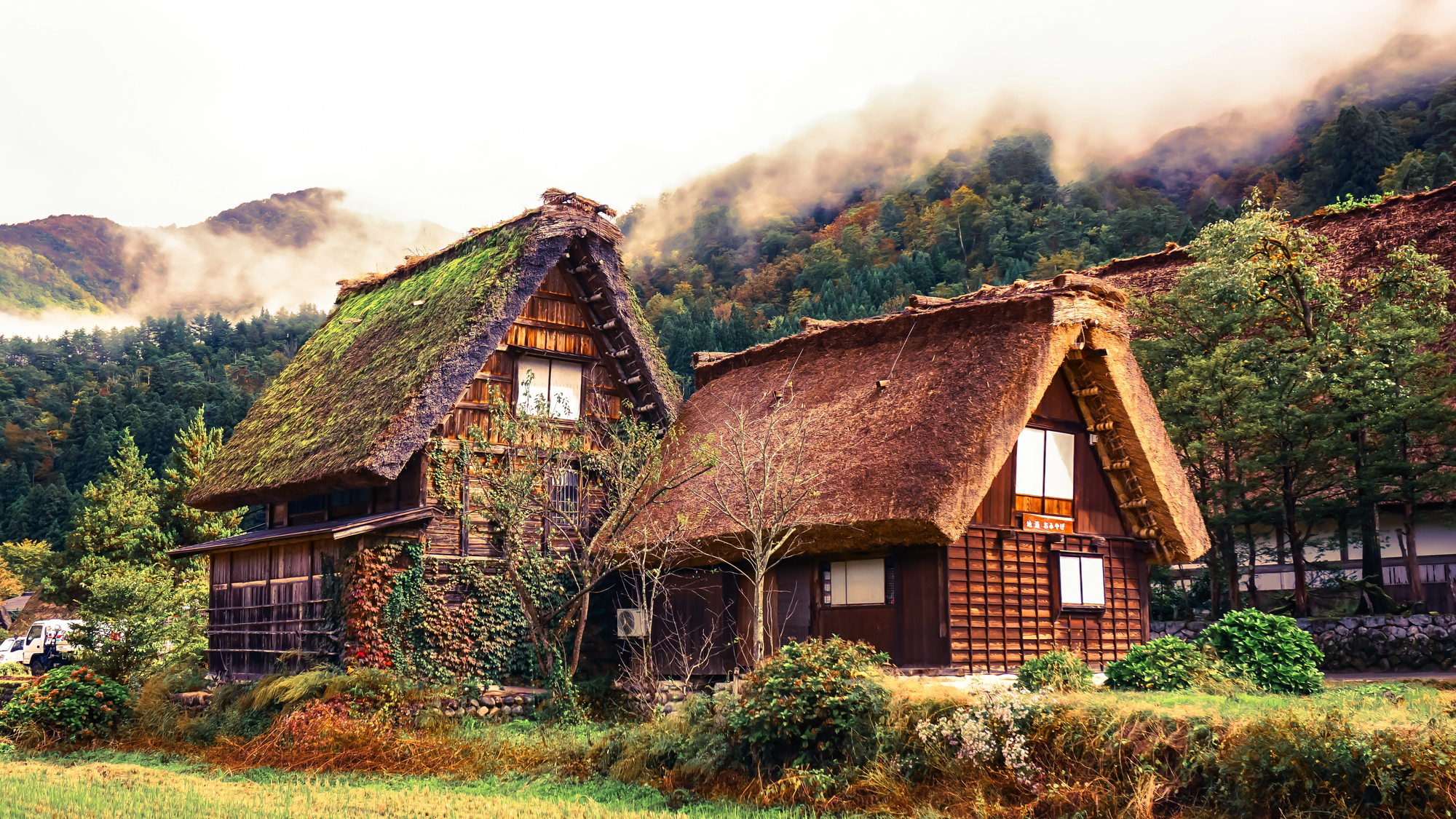
During autumn, the slopes surrounding the trail become a mixture of red, orange and yellow as Japanese rowan, beech, oak and other vegetation change color. The route also works particularly well for travelers visiting Shirakawa-go, allowing you to combine Japan’s autumn scenery with one of its most famous traditional villages.
11. Genbudo Park, Hyogo
Prefecture: Hyogo
Typical peak: November to early December
Nearest major city or station: Kinosaki Onsen
Best for: Geology, photography, rock formations and hot springs
Where to stay: Willow
Genbudo Park stands out because its autumn leaves are paired with remarkable volcanic rock formations. Located close to the famous hot-spring town of Kinosaki Onsen, Genbudo Park contains caves and striking columns of dark basalt.
The geometric rock formations were created by ancient volcanic activity and already make the park worth visiting at any time of year. In autumn, however, the surrounding reds, yellows and oranges contrast beautifully with the dark stone, making the landscape particularly photogenic.
Genbudo can also be incorporated into a wider Kinosaki Onsen stay. Visitors can explore the park during the day before returning to the hot-spring town for an evening in a ryokan and a soak in the public baths.
12. Kankakei Gorge, Shodoshima
Prefecture: Kagawa (Shodoshima Island)
Typical peak: November
Nearest major city or station: Takamatsu
Best for: Ropeway rides, dramatic gorges, hiking and island trips
Where to stay: Olivean Shodoshima Yuhigaoka Hotel
Kankakei Gorge is one of the most spectacular places in western Japan to see entire mountainsides covered in autumn colors. Located on Shodoshima Island within Setonaikai National Park, the gorge is surrounded by steep rock formations and heavily forested mountain slopes.
One of the easiest ways to appreciate the scenery is from the Kankakei Ropeway. As the cable car travels above the gorge, visitors get sweeping views across the valley and surrounding mountains. Hiking routes also allow you to experience the foliage from ground level and see the dramatic rock formations more closely.
During the height of autumn, the combination of red and yellow trees, exposed cliffs and distant views across the island makes Kankakei one of Japan’s most impressive seasonal landscapes. Shodoshima itself has enough attractions to justify an overnight stay, particularly if you want to explore the island beyond the gorge.
13. Namego Valley, Nara
Prefecture: Nara
Typical peak: Late October to November
Nearest major city or station: Nara
Best for: Photography, road trips and unusual mountain landscapes
Where to stay: Forest Kamikita in Kamikitayama Village
Private-driver tours from Nara or customizable trips through southern Nara. Given how remote this destination is, a self-drive option is often more practical than a set-departure tour.
Search for Rental Cars in JapanNamego Valley is one of Japan’s most visually distinctive autumn destinations and an excellent choice for photographers. The valley lies deep in the mountains around Kamikitayama Village in southern Nara Prefecture. Much of the mountainside is covered with dark green evergreen conifers, while deciduous broadleaf trees remain along the ridges.
When autumn arrives, those ridgeline trees turn yellow, orange and red while the surrounding conifer forest remains green. From a distance, the colorful bands appear to twist across the mountains, creating a pattern sometimes compared to dragons climbing along the ridges.
The scenery is dramatically different from the dense maple forests more commonly associated with autumn in Japan. Namego Valley is remote, so it is much better suited to travelers with a car than those looking for an easy excursion using public transportation.
14. Mt. Koya, Wakayama
Prefecture: Wakayama
Typical peak: Late October to mid-November
Nearest major city or station: Osaka
Best for: Temples, Buddhist culture, autumn walks and overnight temple stays
Where to stay: Koyasan Syukubo Ekoin Temple is a particularly convenient option if you want to experience a traditional temple stay. Koyasan Saizen-in Temple is another option within the temple town.
Mt. Koya day tours from Osaka, private Koyasan tours or Buddhist cultural experiences
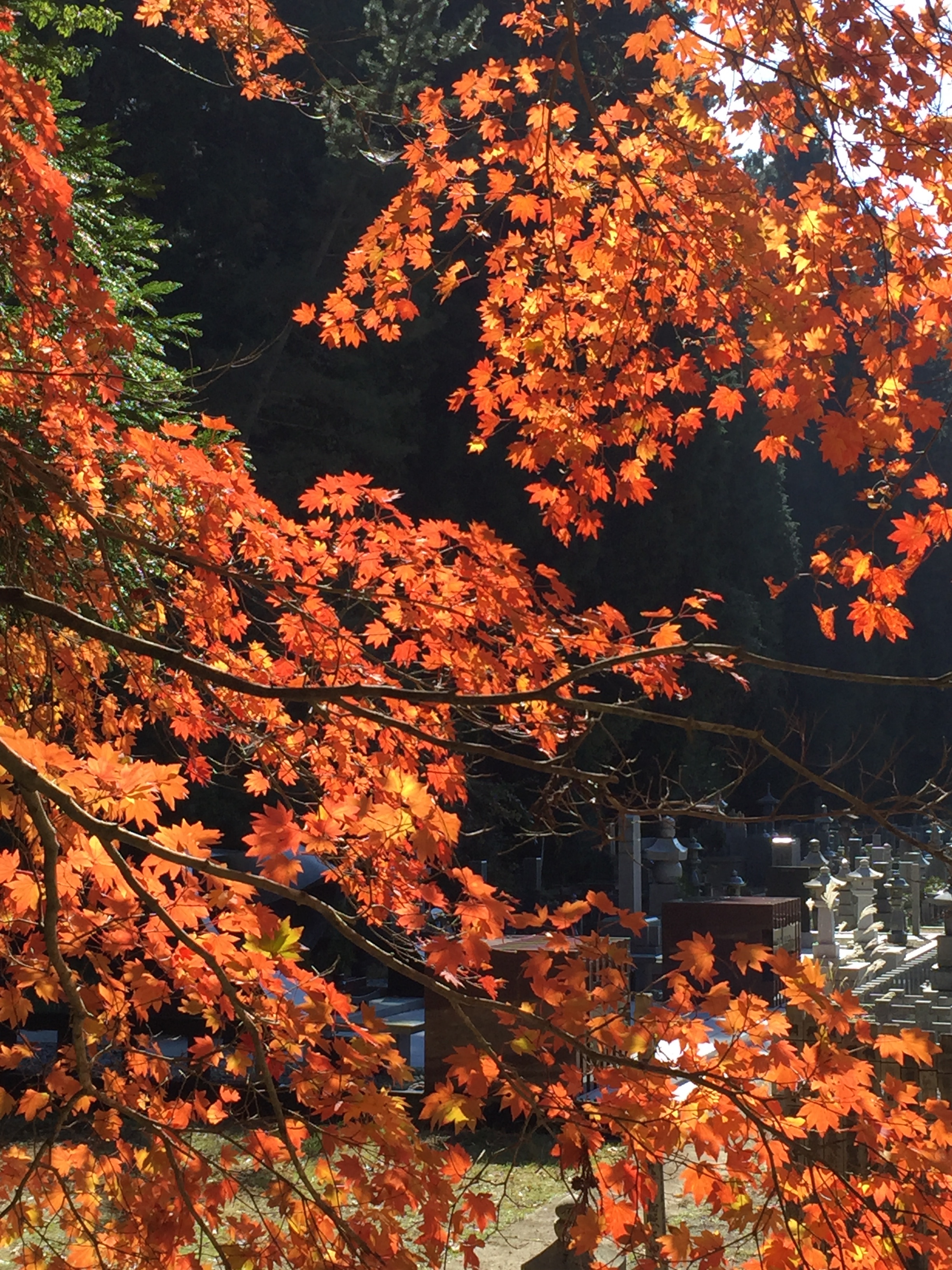
Book a day trip to Mt. Koya and watch a live goma fire ritual and visit a hidden shrineMt. Koya is one of the best places in Japan to combine autumn leaves with Buddhist temples, history and an overnight temple stay. Known in Japanese as Koyasan, the mountain community in Wakayama Prefecture is one of Japan’s most important centers of Buddhism. More than 100 temples are scattered throughout the area, and the historic buildings become even more atmospheric when the surrounding maples turn red, orange and gold.
One particularly beautiful place for autumn leaves is Jabara-michi, the path running between Kongobuji Temple and the Danjo Garan complex. Maple trees line the route, creating a colorful canopy during the height of the season. Danjo Garan itself is another highlight. Autumn foliage surrounding the vivid vermilion Konpon Daito pagoda creates one of Koyasan’s most recognizable seasonal views. Kongobuji Temple and its grounds are also worth exploring, while the forested paths around Koyasan give visitors numerous opportunities to enjoy fall colors away from the busiest temple complexes.
Because of its mountain elevation, Koyasan generally changes color earlier than many lower areas of the Kansai region. Staying overnight is highly recommended. A shukubo, or Buddhist temple lodging, allows travelers to experience a quieter side of Koyasan after many daytime visitors have left. Depending on the temple, stays can include traditional vegetarian meals and the opportunity to attend morning prayers. If you are planning more than a day trip, see our complete guide to visiting Mt. Koya for more information about what to see and how to plan your stay.
15. Aso-Kuju National Park, Kyushu
Prefecture: Kumamoto and Oita
Typical peak: October to November
Nearest major city or station: Kumamoto or Fukuoka
Best for: Volcanoes, grasslands, road trips and wide-open landscapes
Where to stay: Fairfield by Marriott Kumamoto Aso
Aso-Kuju offers a different kind of Japanese autumn scenery, with enormous grasslands, volcanic peaks and seasonal vegetation turning shades of bronze, silver and gold. The national park stretches across parts of Kumamoto and Oita prefectures and contains some of Kyushu’s most dramatic volcanic landscapes.
Instead of relying entirely on forests of red maple trees, Aso-Kuju is characterized by vast open grasslands and mountain plateaus. The Kuju Highlands offer broad views toward the surrounding peaks, while Tadewara Marsh is particularly interesting in fall as its grasses change color.
The landscape can feel strikingly open compared with the dense forests found at many other Japanese foliage destinations. Aso itself adds the drama of one of Japan’s most famous volcanic areas, making this an excellent destination for travelers who want to combine fall scenery with geology and expansive road-trip views.
16. Kirishima-Kinkowan National Park, Kyushu
Prefecture: Kyushu (Kagoshima area)
Typical peak: Late October to early December, depending on elevation
Nearest major city or station: Kagoshima
Best for: Crater lakes, hiking, volcanoes, forests and shrines
Where to stay: Kirishima Kanko Hotel
Kirishima is one of southern Japan’s most interesting places to see autumn leaves because crater lakes, volcanoes, forests and an important Shinto shrine can all be combined in one trip. Around Ebino Highland, Rokkannon Miike is a beautiful crater lake surrounded by mixed forest. Japanese oak, maple and other trees turn orange, red and yellow, creating colorful reflections across the water when conditions are calm.
Nearby Onamiike provides another dramatic crater-lake landscape. Hiking trails allow visitors to experience the lake from several elevations while looking across the surrounding autumn vegetation. Kirishima-jingu Shrine offers a completely different type of autumn experience. The approach to the historic shrine passes beneath trees that change color later in the season, allowing travelers to combine fall foliage with one of Kyushu’s most important Shinto sites.
The wider Kirishima landscape remains volcanically active. Before hiking, always check current information about volcanic alerts, trail closures and access restrictions.
Frequently Asked Questions About Autumn Leaves in Japan (2026)
When Is the Best Time to See Autumn Leaves in Japan?
The best overall time to see autumn leaves in Japan is from October through November, although there is no single nationwide peak. Japan’s foliage season progresses gradually from north to south and from high elevations to lower ones.
Some mountain areas of Hokkaido begin changing in September. Northern Honshu and high-altitude areas of the Japanese Alps usually follow during October. By November, autumn colors can be found throughout large areas of central, western and southern Japan.
Some lower-elevation destinations in southern Japan continue changing into early December. This long season means that travelers who are flexible with their itinerary can effectively follow the fall colors across Japan.
Where Can You See Autumn Leaves in Japan in September?
September is best for high-altitude locations in Hokkaido and a small number of mountain and wetland destinations farther south. Tokachidake Onsen is one of the strongest September options on this list, particularly during the latter half of the month.
Lake Toyoni can also begin changing relatively early, while the grasses of Oze may develop their golden autumn colors before the surrounding trees. For most of Japan, however, September is still too early for peak fall foliage.
Where Can You See Autumn Leaves in Japan in October?
October is particularly good for Hokkaido, Tohoku and higher-elevation destinations in central Japan. Tokachidake, Shikotsu-Toya, Hachimantai, Oze, Myoko and Kamikochi are among the strongest destinations on this list for an October trip.
Higher sections of the Bandai-Azuma Skyline and Hakusan region can also be excellent during this period. Northern and mountainous locations generally change earlier because of their cooler temperatures and greater elevations.
Where Can You See Autumn Leaves in Japan in November?
November is one of the best months for seeing autumn leaves across central, western and southern Japan. Nikko, Kankakei Gorge, Namego Valley, Mt. Koya, Genbudo, Aso-Kuju and Kirishima can all be good choices.
November also offers some of the greatest geographic flexibility. Depending on the exact week, travelers can find autumn colors across large sections of Honshu, Shikoku and Kyushu.
Can You See Autumn Leaves in Japan in December?
Yes. Some areas of Japan can still have autumn foliage in early December, particularly at lower elevations and in southern regions. Kirishima and parts of western Japan can retain autumn color after many northern destinations have already entered winter.
However, December foliage is more variable, so travelers visiting specifically for autumn leaves should check current local conditions rather than relying entirely on historical averages.
Where Do Autumn Leaves Appear First in Japan?
Japan’s autumn colors generally appear first in high-altitude areas of Hokkaido before progressing south through the country. Elevation can be just as important as latitude. A mountain destination may reach its best colors weeks before a nearby city at a much lower elevation.
This is why a traveler can sometimes find peak autumn foliage in the Japanese Alps while cities farther south are still largely green.
What Is Koyo in Japan?
Koyo is the Japanese term commonly associated with leaves changing color during autumn. The season is characterized by red Japanese maples, golden ginkgo trees, orange and yellow broadleaf forests and, in some regions, bronze and golden grasses.
Like Japan’s cherry blossom season, koyo is closely tied to seasonal travel, food and outdoor activities.
What Is Momijigari?
Momijigari is the Japanese tradition of going out to admire autumn leaves. The word is often translated as “autumn leaf hunting” or “red leaf hunting.”
Rather than literally collecting leaves, momijigari generally means visiting parks, mountains, temples, gardens and scenic areas specifically to enjoy the changing colors. The tradition has existed in Japan for centuries and remains one of the country’s most popular seasonal activities.
Which Place Is Best for Autumn Leaves Near Tokyo?
Nikko is one of the best places to see autumn leaves on a trip from Tokyo. Its large variation in elevation creates a relatively long foliage season, while the area combines colorful forests with waterfalls, hot springs, temples and shrines.
It is also much easier to reach from Tokyo than many of the remote mountain and national park destinations in this guide. Travelers who want a simple day trip can join an organized excursion, while staying overnight allows more time to explore Nikko’s natural scenery.
Which Place Is Best for Autumn Leaves Near Osaka?
Mt. Koya is one of the best autumn destinations within easy reach of Osaka. The mountain setting means the leaves generally change earlier than in many lower-elevation areas of Kansai, while the combination of maple trees, Buddhist temples and traditional temple accommodation makes the experience very different from an ordinary foliage day trip.
Koyasan can be visited for the day, but spending one night in a temple lodging gives you considerably more time to explore.
What Should You Pack for Autumn in Japan?
Temperatures vary enormously depending on where you travel. Hokkaido and high-altitude destinations can become cold surprisingly early, while lower areas of southern Japan may remain mild well into November. For mountain foliage trips, bring layers, a warm outer layer, comfortable walking shoes and rain protection.
If you plan to visit places such as Kamikochi, Oze, Hachimantai or Kirishima, conditions can be significantly colder than in the nearest city. Always check local weather, road conditions and hiking information before heading into mountainous areas.
Is Autumn a Good Time to Visit Japan?
Autumn is one of the best times of year to visit Japan thanks to its colorful landscapes, generally comfortable temperatures and enormous variety of seasonal destinations. The foliage season is considerably longer than many travelers realize. By choosing your destinations carefully, it is possible to see fall colors from September through early December.
The key is matching your destination to your travel dates. Head north or to higher elevations earlier in the season, then move toward central, western and southern Japan as autumn progresses. Whether you want mountain hikes, volcanic landscapes, Buddhist temples, hot springs, scenic drives or peaceful lakes, Japan offers far more ways to experience autumn than simply visiting a handful of famous city parks.



0 Comments