
Why Hiking in Japan Should Be on Every Adventurer’s Bucket List
Most tourists only think of Tokyo, Kyoto, Osaka, or Mt. Fuji when they think of Japan, but did you also know that it is a hiker’s paradise? Japan has more than one hundred mountains, islands covered in ancient forests, and sacred mountain paths walked by monks by thousands of years. Can any other country say that in the same sentence? I don’t think so! My absolute dream would be to hike in Japan for an entire year and hike even more trails than the few I managed to do when I lived there full-time. Here are the 8 best hiking trails in Japan that I really hope you get a chance to explore after Tokyo and Kyoto.
8. Nakasendo Trail – A Historic Walking Route Through Japan’s Countryside
Where – Running through the Kiso Valley in the Japanese Alps, connecting Kyoto and Tokyo through the mountainous interior
Why You Should Go – The Nakasendo was one of the five main routes connecting Edo (Tokyo) and Kyoto during the Tokugawa period. Today, the most popular section runs between the beautifully preserved post towns of Magome and Tsumago. I had the pleasure of walking this section of the trail myself and you can read more about it here. Walking this trail, you’ll experience rural Japan at its most picturesque and hike through forests, cross rivers, and walk past waterfalls and through villages that look much as they did 200 years ago.
How to Get There – Take the JR Chuo Line from Tokyo or Nagoya to Nakatsugawa Station and then a bus to Magome. The trail can be walked in either direction between Magome and Tsumago.
How Long It Takes – The Magome-Tsumago section is about 8 km and takes 2.5-3 hours of easy to moderate walking.
Highlights – The perfectly preserved post towns with their traditional wooden buildings, the peaceful forests along the trail, stone Buddha statues and small shrines appearing around bends, and traditional teahouses serving local snacks.
Stay overnight in a traditional minshuku (family-run guesthouse) in Tsumago for a truly authentic experience, or for more modern comfort, Ryokan Fujioto in nearby Nakatsugawa offers traditional Japanese hospitality with contemporary amenities.

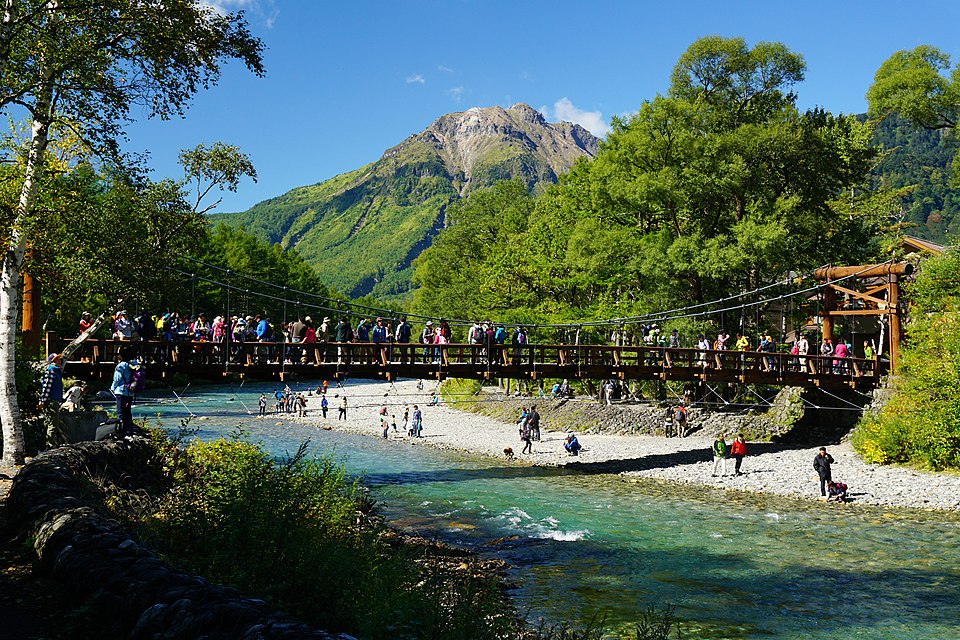
7. Kamikochi & Northern Japan Alps – An Alpine Hiking Paradise
Where – Nagano Prefecture, in the heart of the Northern Japanese Alps
Why You Should Go – Kamikochi is often called the “crown jewel” of the Japanese Alps, and one glimpse of this pristine valley with its crystal-clear river, dramatic peaks, and untouched forests will tell you why. This area offers everything from easy riverside strolls to challenging multi-day alpine adventures. The scenery is breathtaking. Snow-capped peaks reflect in mirror-still ponds, autumn leaves create carpets of red and gold, and alpine flowers bloom in mountain meadows. It’s Japanese mountain scenery at its most spectacular, and the area’s protected status means it remains unspoiled.
How to Get There – From Matsumoto Station, take a train to Shin-Shimashima and then a bus to Kamikochi (private cars are not allowed in the valley). The area is open from mid-April to mid-November.
How Long It Takes – Day hikes in the valley range from 1-2 hours to full-day treks. Multi-day routes to peaks like Mount Hotaka or Mount Yari can take 2-4 days.
Highlights – The iconic Kappa Bridge with its mountain backdrop, the crystal-clear Azusa River flowing through the valley, the chance to spot Japanese macaques and kamoshika (Japanese serow, a goat-like antelope), mountain huts serving hot curry rice at high altitude, and the autumn foliage that turns the valley into a riot of color.
Keiryuso Siorie offers a 3-star ryokan experience in Matusmoto with air-conditioning, private bathrooms, and garden views. Guests can enjoy a hot spring bath, open-air bath, and terrace.
Hirayukan in Takayama offers a 5-star ryokan experience with a hot spring bath, open-air bath, and free WiFi in public areas. A buffet breakfast is served daily, while and guests love the fabulous dinner.
6. Daisetsuzan National Park: Hiking in Hokkaido’s Wilderness
Where – Central Hokkaido, Japan’s northernmost main island
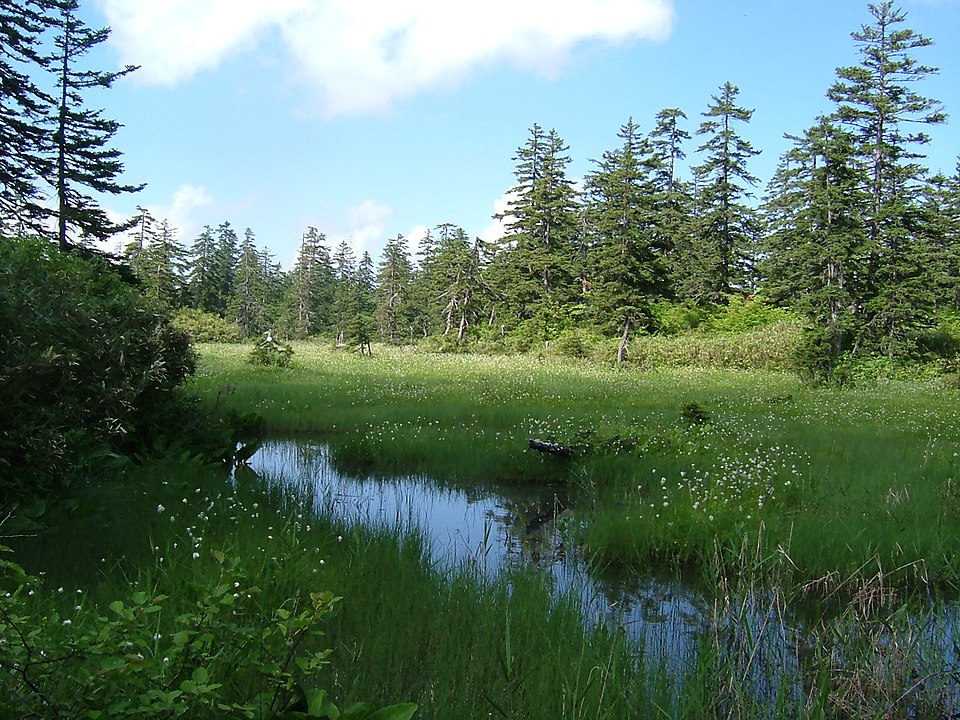
Why You Should Go – Welcome to Japan’s largest national park, a vast wilderness of volcanic peaks, alpine plateaus, and pristine forests that feels wonderfully remote. Daisetsuzan means “Great Snowy Mountains,” and this landscape delivers on that promise with dramatic mountain scenery, colorful volcanic crater lakes, hot springs bubbling from the earth, and some of Japan’s best autumn colors. The park sees far fewer hikers than areas near Tokyo or Kyoto, giving you a sense of true wilderness. In autumn, the entire landscape erupts into a burst of reds, oranges, and golds.
How to Get There – Fly to Asahikawa Airport or take the train to Asahikawa Station and then catch a bus to one of the park’s access points like Asahidake Onsen or Sounkyo Onsen.
How Long It Takes – Day hikes range from 3-8 hours. The full traverse of the park’s peaks can take 4-6 days for experienced mountain hikers.
Highlights – The Asahidake Ropeway that shortens the approach to the high peaks, steaming volcanic vents and colorful mineral deposits, the possibility of spotting brown bears (from a safe distance!), alpine flowers in summer meadows, pristine mountain huts, and some of Japan’s best natural hot springs for post-hike soaking. Did we mention that the chance to soak in hot springs after a long day of hiking is truly what sets Japan apart from the rest of the world? It’s simply unbelievable!
Higashikawa Asahidake Onsen Hotel Bear Monte near the base of Mount Asahidake provides comfortable accommodations with onsen facilities, just perfect for tired hikers.
La Vista Daisetsuzan in Higashikawa offers family rooms with mountain views, sofa beds, and tatami floors. Guests can enjoy a hot spring bath, sauna, open-air bath, and spa facilities. The property features a restaurant serving French cuisine, a minimarket, and free WiFi in public areas.
5. Rebun Island: Hiking in the Northernmost Part of Japan
Where – A tiny island off the coast of Wakkanai, the northernmost city in Hokkaido, accessible by ferry from the city of Wakkanai on Hokkaido.
Why You Should Go – Welcome to Japan’s best-kept secret, a place so remote that most Japanese people have never heard of it. Rebun Island, one of two off the coast of Wakkanai, the northernmost city on Hokkaido, offers the legendary “Hachijikan Course” (8-hour hiking trail), one of the most spectacular coastal hikes in all of Japan. But here’s what makes this truly unforgettable: staying at Momoiwaso Youth Hostel on Rebun, quite possibly the world’s most eccentric accommodation and one I had the pleasure to stay in when I was living in Japan. This is a fully immersive experience into wildflower-covered islands, genuine local hospitality, and a hostel that operates on its own time zone (yes, really). The staff greet you with rubber chickens, serenade the sunset with guitars and tambourines, and the hiking group you’ll join becomes your instant adventure family. For more details, please check out my post!
How to Get There – Fly from Tokyo to Wakkanai (2 hours), stay overnight (best), and then take the morning ferry to Rebun (1 hour 55 minutes), where Momoiwaso staff will pick you up in their signature hippie van.
How Long It Takes – Plan 3-4 days minimum. The Hachijikan Course officially takes 8 hours, but with lunch breaks, photo stops, and interactions with locals along the way, expect closer to 12 hours. The hike from Cape Sukoton to Cape Gorota covers approximately 25 kilometers of coastal trails.
Highlights – The sheer wildness of the Hachijikan trail: ocean views that stretch to infinity, wildflowers carpeting hillsides in impossible colors (especially the rare Rugosa rose that only grows in northern Japan), women laying seaweed to dry in the sun, adorable local baseball teams you’ll meet along the path, and landscape so varied you’ll forget you’re on the same island. The bonding that happens naturally with your hiking group—by the end of 12 hours together, you’ll be fast friends despite language barriers. The absurd joy of Momoiwaso itself: staff singing from the rooftop when you return, mandatory evening entertainment shows with skits and eating contests, communal breakfast where everyone helps clean afterwards (Japanese elementary school style), and the unforgettable departure ritual where the entire staff plus current guests accompany you to the ferry port and literally sing and dance until your boat disappears from view while you yell “Ittekimasu!” (“I’m going and coming back!”) from the deck.
Momoiwaso Youth Hostel (approximately 8,000 yen per night with dinner and the organized hike) is the only place to stay for the full experience, just know that this is summer camp meets Japanese hospitality meets the Rocky Horror Picture Show. Bring cash (no ATMs after the ferry port), your social nature, and an open mind. WiFi exists but is weak. If Momoiwaso is too intense, Rishirifuji Onsen on Rishiri Island offers traditional hot spring accommodations, though you’ll miss out on one of Japan’s most unique travel experiences. The hostel is open June through September only. Book by calling ahead (English may work if you keep it simple, or have a Japanese hotel concierge call for you).

4. Climbing Mount Fuji: Japan’s Tallest and Most Iconic Peak
Where – Straddling Yamanashi and Shizuoka Prefectures, about 100 km southwest of Tokyo
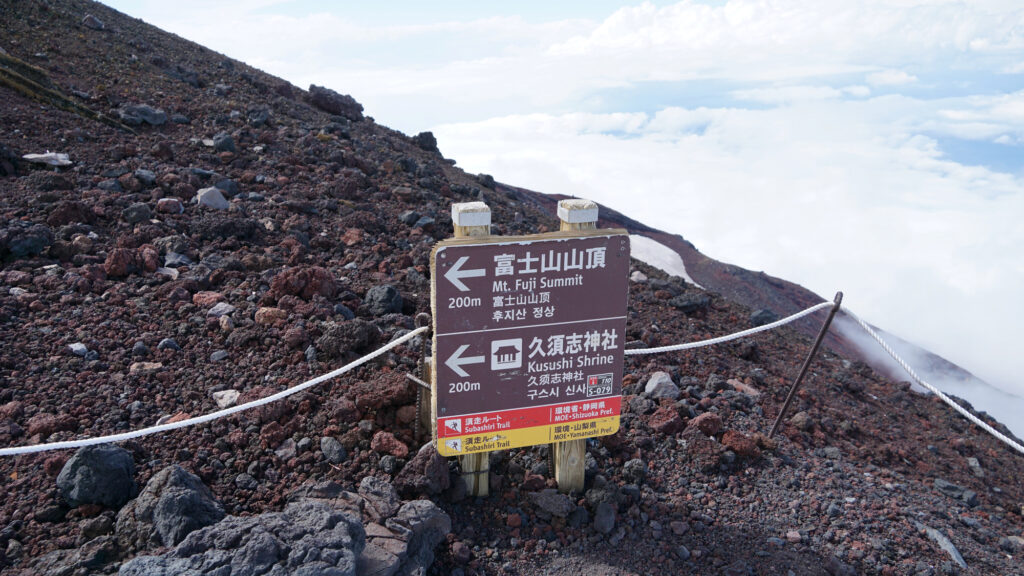
Why You Should Go – Climbing Japan’s most iconic mountain is a bucket-list experience that combines natural beauty with cultural significance. I did it the first year that I lived in Japan and I never forgot it (although, sadly, I cannot find the photo of me on Mt. Fuji from all those years away). At 3,776 meters (12,390 feet), Mount Fuji is Japan’s highest peak and a sacred site that has been revered for centuries. The climb itself is challenging but accessible to most reasonably fit people, and watching the sunrise from the summit (called “goraiko” or “arrival of light”) is a spiritual experience that will stay with you forever. The views from the top, on a clear day, stretch across the entire Kanto region and beyond.
How to Get There – The official climbing season runs from early July to early September. Take a bus from Tokyo’s Shinjuku Station or from Kawaguchiko Station to one of the four main 5th stations (trailheads) on Mount Fuji. The Yoshida Trail from Fuji Subaru Line 5th Station is the most popular route.
How Long It Takes – Most people take 5-7 hours to reach the summit and 3-5 hours to descend, typically climbing through the night to reach the top for sunrise. Some hikers choose to break the journey with an overnight stay at a mountain hut.
Highlights – The otherworldly volcanic landscape, mountain huts perched impossibly on the mountainside, the sea of clouds below you at sunrise, the torii gates marking sacred space, and if you’re lucky, the phenomenon of your shadow cast on the clouds below with a rainbow halo around it (called “Brocken spectre”).
For those wanting to stay near the base before or after the climb and have a truly luxurious ryokan experience, Fuji Onsenji Yumedono is located just 1640 feet from Lake Kawaguchiko. It features traditional Japanese cuisine served in the dining area, suites with in-room hot springs and a garden – truly a 5-star experience!
Bluebird Hotel in Fujikawaguchiko offers apartment-style accommodations with free WiFi and complimentary bicycles. Guests can enjoy air-conditioning, streaming services, and a washing machine. This is much more affordable, but there is are private baths.
3. Yakushima Island: Hiking through Ancient Cedar Forests and Trails That Inspired Hayao Miyazaki
Where – A subtropical island about 60 km south of Kyushu, accessible by ferry or plane from Kagoshima
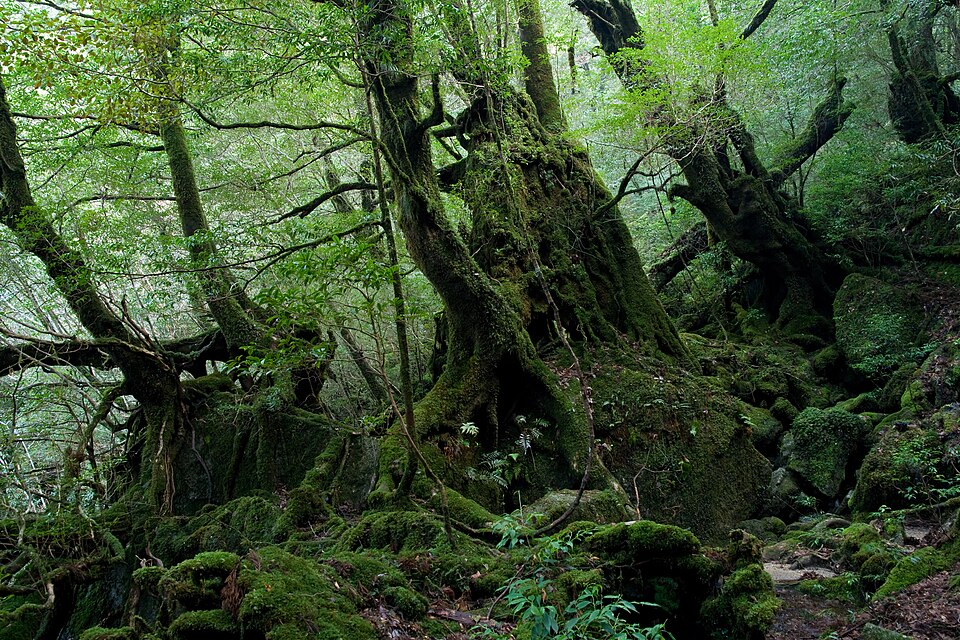
Why You Should Go – Step into Yakushima and you step into another world, one that inspired Studio Ghibli’s “Princess Mononoke” by Hayao Miyazaki with its ancient cedar forests draped in emerald moss. This circular island is a botanical wonder, with climate zones ranging from subtropical beaches to alpine peaks, all packed into a relatively small area. However, the real magic lies in the ancient cedar trees, some over 1,000 years old (called “yakusugi”), including the famous Jomon Sugi, estimated to be between 2,000 and 7,200 years old. Hiking through these primordial forests feels like getting a glimpse at what the Earth must have looked like before humans took over.
How to Get There – Fly from Osaka or Fukuoka to Yakushima Airport, or take a ferry from Kagoshima (2-4 hours depending on the ferry type).
How Long It Takes – The trek to see Jomon Sugi takes 8-10 hours round trip. Shorter hikes to Shiratani Unsuikyo (the main Princess Mononoke forest) take 1-4 hours depending on the route. Multi-day treks across the island’s peaks take 2-3 days.
Highlights – The ancient cedar forests with trees older than most civilizations, moss covering every surface in impossible shades of green, the Wilson Stump, a massive hollow cedar with a heart-shaped opening to the sky, frequent encounters with Yakushima’s endemic deer and monkeys, dramatic granite peaks, and waterfalls everywhere you look. The island receives massive rainfall, so rain gear is essential, but the moisture is what creates this magical landscape.
Sankara Hotel & Spa Yakushima offers luxurious accommodations. Guests can also relax with massages at the Spa. Guests can work out at the fitness center or enjoy reading books at the library lounge. The outdoor pool is open during the summer season. Car rental, laundry services and washing machines are also available. The ayana restaurant serves casual French dishes using local ingredients. An authentic French dinner is available at the okas restaurant.
At Cottage Morinokokage, guests can rent out a cottage with a hammock. Free WiFi is available in the guest rooms. The property has English-speaking staff and can assist guests with making reservations for car rental. Cottage Morinokokage offers food and drinks vending machines, shared microwave and on-site parking. Guests rate it very highly.
2. Kumano Kodo: Sister Route to the Camino de Santiago in Spain
Where – The Kii Peninsula, south of Osaka, spanning Wakayama, Nara, and Mie Prefectures
Why You Should Go – The Kumano Kodo is a spiritual pilgrimage that has been undertaken for over 1,000 years. This network of ancient pilgrimage routes winds through the mountains of the Kii Peninsula, connecting three grand shrines (the Kumano Sanzan) that are among the most sacred sites in Japan’s indigenous Shinto religion. Walking these stone-paved paths, you’re following in the footsteps of countless pilgrims across the ages. The forest-covered mountains are beautiful in their own right, but it’s the spiritual dimension (the ancient shrines, the moss-covered stone markers, the sense of treading sacred ground) that makes this truly special. The Kumano Kodo is one of only two pilgrimage routes in the world designated as a UNESCO World Heritage site (the other is the Camino de Santiago in Spain). I had the extraordinary pleasure to hike a section of this trail and it is one of my favorite trips that I’ve ever taken.
How to Get There – The most popular route, the Nakahechi, typically starts from Tanabe City, accessible via train from Osaka or Nagoya. The town of Kii-Tanabe Station is the main gateway.
How Long It Takes – The complete Nakahechi route from Tanabe to Kumano Nachi Taisha shrine takes 3-4 days (this is what I did). Sections can be walked as day hikes, but the entire pilgrimage network could take weeks to fully explore.
Highlights – The three grand shrines of Kumano with their vermillion buildings nestled in forested mountains, Nachi Taisan with its spectacular 133-meter waterfall, ancient cypress and cedar forests, centuries-old cobblestone paths, traditional “minshuku” and “shukubo” (temple lodgings) offering hospitality to pilgrims, onsen towns perfect for recovery, and the profound sense of spiritual continuity with the past. Don’t miss the Dainichigoe route, considered the most beautiful section, or the coastal Ohechi route with its ocean views.
Accommodation options along the way include traditional pilgrimage lodgings, but for more comfort, TAOYA Nachikatsuura offers four-star accommodations in Nachikatsuura with family rooms with private bathrooms, air-conditioning, and tatami floors. Guests can enjoy a hot spring bath, sauna, terrace, and open-air bath. Free WiFi is available throughout the property. Breakfast and dinner are provided.
For a truly unforgettable experience, take the swan boat to Hotel Urashima. Located in the Nanki Katsuura hot-spring area, guests at Hotel Urashima can enjoy natural Bokido cave hot-spring baths. The hotel offers 4 other public hot-spring baths and is a 10-minute drive for ferry ride to JR Kii Katsuura Station.

1. Shikoku 88 Temple Pilgrimage – Japan’s Ultimate Hiking Experience
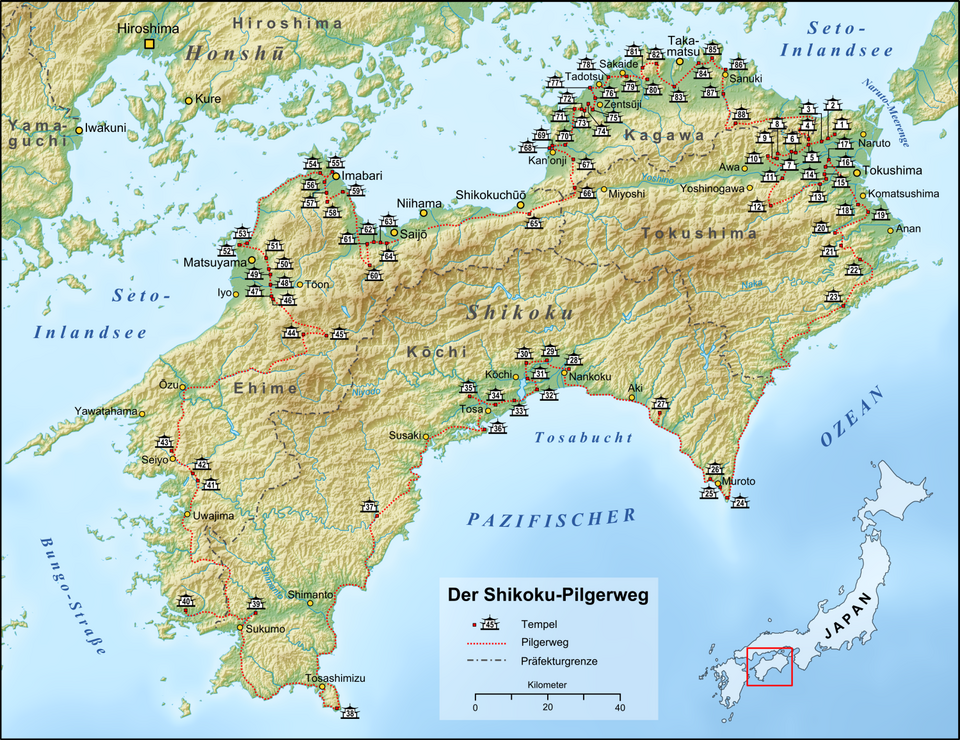
Where – Circling the entire island of Shikoku, Japan’s fourth-largest island, visiting 88 Buddhist temples
Why You Should Go – This is it – the ultimate Japanese hiking experience, the granddaddy of all pilgrimage routes, a journey that will transform you as much as it challenges you. The Shikoku 88 Temple Pilgrimage (or “Henro” as pilgrims are called) is a 1,200-kilometer circuit around Shikoku that traces the footsteps of Kobo Daishi, the Buddhist monk who founded the Shingon sect of Buddhism in the 9th century. This is a journey through diverse landscapes: rugged coastal cliffs, mountain passes, and peaceful valleys. Walking henro wear white robes and conical hats, carry walking sticks, and are treated with reverence by locals who often provide “osettai,” which are gifts of food, drink, money, or lodging to support pilgrims.
What makes this the number one trail is the depth of the experience. You’ll walk for weeks through traditional rural Japan, staying in temple lodgings (“shukubo”), humble guesthouses, or sometimes even camping. If you do the whole thing in one go, you’ll visit 88 temples, each with its own character, history, and spiritual significance. You’ll experience the legendary hospitality of Shikoku’s people. You’ll face your own limitations and push through them. Many pilgrims report that the journey changes their perspective on life, whether they’re Buddhist or not.
How to Get There – The pilgrimage traditionally begins at Temple 1 (Ryozenji) in Tokushima Prefecture on the eastern part of Shikoku. Access Shikoku via train or bus from the mainland (there are bridges from Honshu), or fly into Takamatsu, Matsuyama, or Kochi airports.
How Long It Takes – On foot, the full circuit takes 40-60 days, averaging 20-30 km per day. Many modern pilgrims complete it in stages over several years. Some travel the route by bus (7-10 days) or bicycle (2-3 weeks), though walking is considered the most authentic experience.
Highlights – The incredible diversity of landscapes: beach paths, mountain trails, rural roads, and cityscapes. The 88 temples, each offering unique architecture, gardens, and atmosphere. Temple 45, Iwayaji, carved into a cliff face. Temple 66, Unpenji, reached by cable car at over 900 meters elevation with stunning mountain views. The sense of community among fellow pilgrims. The “settai” culture where locals offer support to pilgrims as a form of spiritual practice. Staying in temple lodgings and participating in morning prayer services. The stamp book that you collect stamps and calligraphy from each temple: a beautiful record of your journey. The physical and mental transformation that comes from weeks of walking and reflection.
Accommodation varies from temple lodgings (highly recommended for the authentic experience) to hotels and guesthouses in the towns you pass through. Shikokulodge offers modern comfortable stays in several locations around the island, while Dogo Onsen Hotel in Matsuyama provides a luxurious hot spring resort experience in one of Shikoku’s major cities. For a mid-pilgrimage rest, Hotel Clement Tokushima offers comfortable modern accommodations in the starting city.
Frequently Asked Questions About Hiking in Japan
When is the best time to go hiking in Japan?
The best hiking season in Japan varies by region and trail. Generally, late spring (April-May) and autumn (September-November) offer the most comfortable weather and stunning scenery. Summer (June-August) is ideal for alpine hiking, while Mount Fuji is only open from early July to early September. Winter hiking requires specialized equipment and experience.
Do I need hiking experience to hike in Japan?
Japan offers trails for all experience levels. Beginner-friendly options include the Nakasendo Trail and boardwalk paths in Oze National Park. Intermediate hikers will enjoy Mount Fuji and Kumano Kodo. Advanced hikers can tackle multi-day treks in the Japanese Alps or the full Shikoku 88 Temple Pilgrimage.
How much does it cost to hike in Japan?
Hiking trail access in Japan is typically free, but costs include accommodation (¥3,000-15,000 per night), meals (¥1,000-3,000 per meal), transportation, and equipment. Budget backpackers can complete trips for ¥5,000-8,000 per day, while comfortable stays average ¥15,000-25,000 daily.
What should I pack for hiking in Japan?
Essential items include proper hiking boots, layered clothing, rain gear, sun protection, a first-aid kit, plenty of water, and trail snacks. For pilgrimage routes, consider bringing a stamp book. Mountain huts provide bedding, so sleeping bags aren’t always necessary.
Can I hike in Japan if I don’t speak Japanese?
Yes! Major hiking trails have English signage, and many mountain huts and guesthouses have English-speaking staff. Download offline maps, learn basic Japanese phrases, and consider joining guided tours for less-traveled routes.
Are You Ready?
Japan’s trails offer something rare in our modern world: the chance to slow down, disconnect from our screens, and reconnect with something fundamental. These ancient paths have been walked by millions before you and will be walked by millions after, but your journey will be uniquely yours. Take a walk. Just go. Discover why hiking in Japan might just be the best hiking you will ever do. And we haven’t even mentioned the food!
0 Comments