
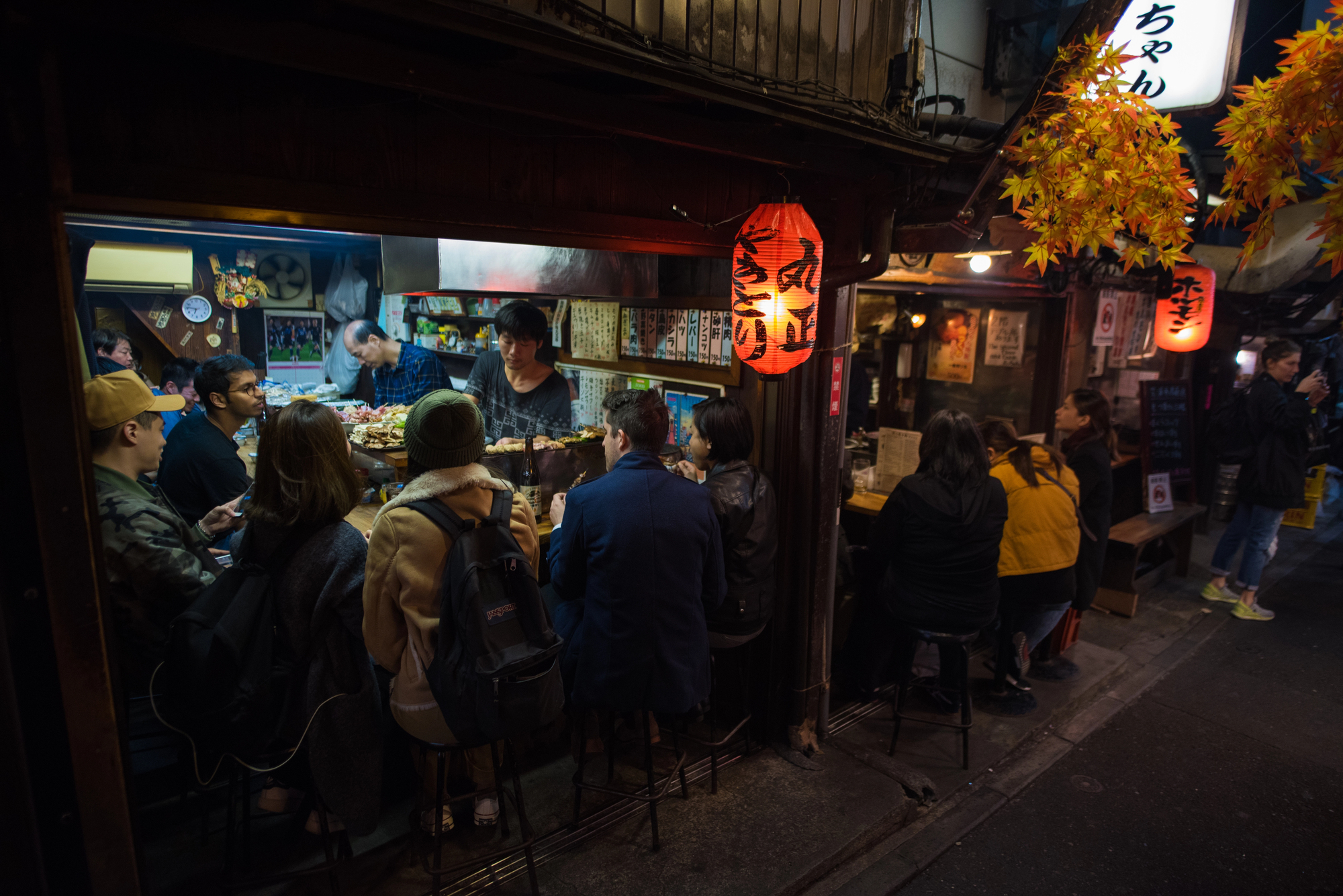
A first-timer’s guide to Omoide Yokocho (aka Piss Alley), how it compares to Golden Gai, what to eat, where to drink, and why this gloriously imperfect little corner of Tokyo will stick with you long after you return.
By Tokyo Becky
What is it? A narrow cluster of tiny yakitori bars and food stalls near Shinjuku Station’s west exit, officially called Omoide Yokocho (Memory Lane) but better known as Piss Alley. It has been feeding and watering Tokyo since the 1940s.
Where is it? Right outside Shinjuku Station’s west exit, Tokyo. You will smell the charcoal before you see the sign 🤣.
What to eat: Yakitori (grilled chicken skewers), nikomi (beef tendon stew), offal, kushiyaki. Bring your carnivore’s heart. Vegetarians: eat before you arrive.
What to drink: Japanese beer, highballs, shochu, sake. Nothing fancy. Everything cheap.
How much does it cost? Most meals run 1,500 to 3,000 yen per person with drinks. Cash is preferred at many stalls.
Best time to go: From around 6pm onwards. It is open late. The later it gets, the smokier and more atmospheric it becomes.
Omoide Yokocho vs. Golden Gai: Omoide Yokocho is for eating first. Golden Gai is for drinking after. In that order. Always.
The full evening: Dinner at Omoide Yokocho, drinks at Golden Gai, and finish at the Thermae-Yu hot spring spa. You’re welcome.
Why Is Omoide Yokocho One of the Best Places to See in Shinjuku?
Let me tell you about the first time I walked into Omoide Yokocho. It was raining slightly, the kind of insistent Tokyo drizzle that fogs up your glasses, and I had been walking the wrong direction from Shinjuku Station for a solid ten minutes because I was quite sure I knew where I was going (I mean, I had already lived in Tokyo for a year by then). Finally, through a break in the crowd, I saw it: a narrow, glowing corridor of red lanterns and sizzling smoke billowing out into the night air like a movie set that had no right to actually exist.
Reader, I forgot about the rain entirely.
Omoide Yokocho, which translates to Memory Lane, is officially one of the best places to see in Shinjuku and one of the most atmospheric streets in all of Tokyo. You know how some places feel like they belong in a different era? This is one of them. Tucked in right next to Shinjuku Station’s west exit, it is a labyrinth of tiny stalls and counter-seating restaurants, most of which seat six to eight people maximum, all of them pumping out charcoal smoke and chatter into the lantern-lit dark.
If you have ever watched Midnight Diner on Netflix (and if you haven’t, that is homework before this trip), you already have a feel for the soul of this place. That show, with its tiny counter, its lonely regulars, its chef who appears at midnight and closes his shop at 7am, could have been filmed on this very street. The warmth of it, the intimacy of it, the sense that everyone here is a stranger who is about to become a regular: that is Omoide Yokocho.
And yes, it is also called Piss Alley. We will get to that.
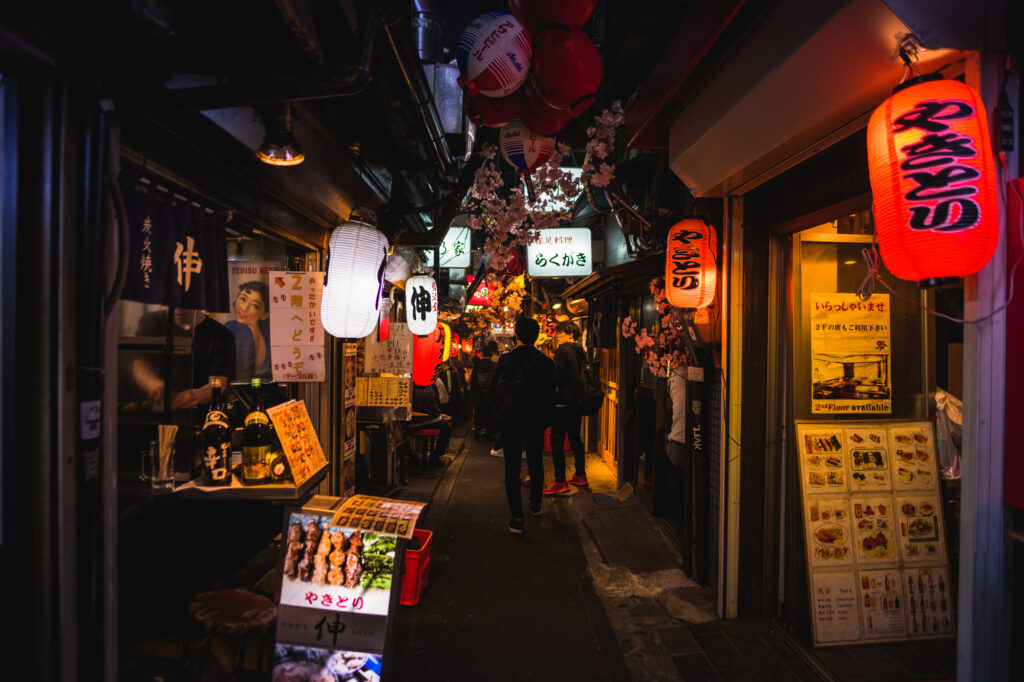
Omoide Yokocho (Piss Alley), Shinjuku, Tokyo, Japan, Photo by aon168, DepositPhotos.com
Not sure where to start with 13 dishes, 4 local eateries, and zero wasted stomach space? This food tour does the heavy lifting.
Book the Tokyo Shinjuku Food Tour (13 Dishes at 4 Local Eateries)
What Is the History of Omoide Yokocho (Piss Alley)?
Here is a fun fact to deploy at dinner: the area’s more colorful nickname was earned in exactly the way you might think: from people pissing all over the alley. In the late 1940s, Omoide Yokocho sprang up as an illegal drinking quarter near Shinjuku Station in the impoverished post-World War II years. It offered something rare and precious at the time: cheap meat, cheap booze, and a place to forget about things for a while. It also, critically, lacked bathroom facilities. So, dear reader, patrons would wander a few steps to the nearby train tracks to take care of business.
Thus: Piss Alley.
The alley survived for decades in this form, a scrappy, barely-legal social institution, until 1999 when a fire tore through and destroyed most of it. What happened next is actually surprising when you consider that Tokyo likes to tear down its buildings every 30-40 years. In this case, the local government rebuilt Omoide Yokocho exactly as it had been before. Every cramped stall, every low-hanging awning, every wooden facade was reconstructed to match what was lost. Omoide Yokocho was a piece of the Showa era, the period of Japanese history spanning 1926 to 1989, a time of wartime hardship followed by extraordinary economic transformation, and the alley carried the memory of all of it inside its smoke-stained walls.
To walk through Omoide Yokocho today is to walk through a version of Tokyo that has no interest in being modern. It is not trying to be anything other than what it is. In a city that is forever building itself anew, this is genuinely radical.
What Should I Eat and Drink at Omoide Yokocho?
What to Eat
Yakitori is the headliner. Chicken skewers, grilled over hot charcoal, brushed with sweet soy “tare” (tah-ray) sauce or simply salted: thighs, necks, skin, hearts, livers. The smoke hits you before you even step inside. It is magnificent. Every stall has its own grill, open to the street, and watching the cooks work over the heat is half the experience.
Nikomi is the second best thing to try: a thick, deeply flavored stew of beef tendon, intestines, and root vegetables, the kind of dish that tastes like it has been simmering for approximately forever.
Vegetarians: I say this with love. You are going to have a very bad time here food-wise. Please eat something substantial before you arrive and come for the atmosphere and the beer. You will still have a wonderful evening.
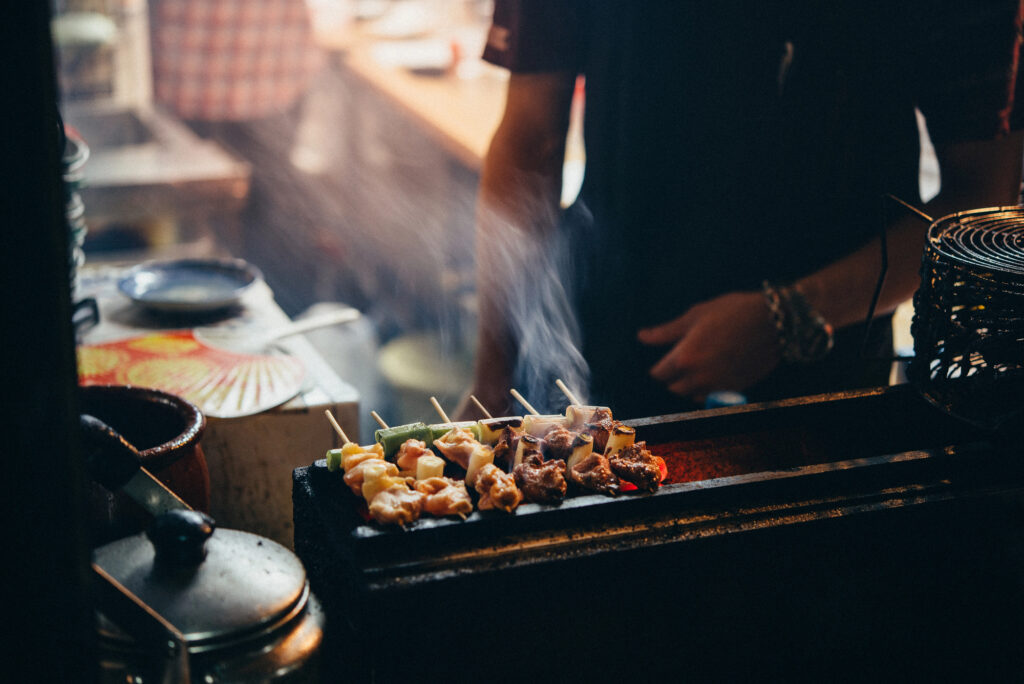
Grilling yakitori in Omoide Yokocho, DepositPhotos.com
What to Drink
This is not a place known for its cocktails. Nobody is infusing anything with yuzu foam. The drinks menu at Omoide Yokocho is gloriously simple: Japanese beer (cold, immediate, correct), highballs (whisky and soda, served in tall glasses, the unofficial drink of post-work Tokyo), shochu (rough, strong, acquired taste, you will love it eventually), sake, and sour cocktails. Everything is cheap. Everything is served fast. Everything is exactly right for the setting.
A note on cash: many stalls are cash-only or strongly prefer it. Have yen on you. ATMs inside the Shinjuku Station 7-Eleven accept international cards.
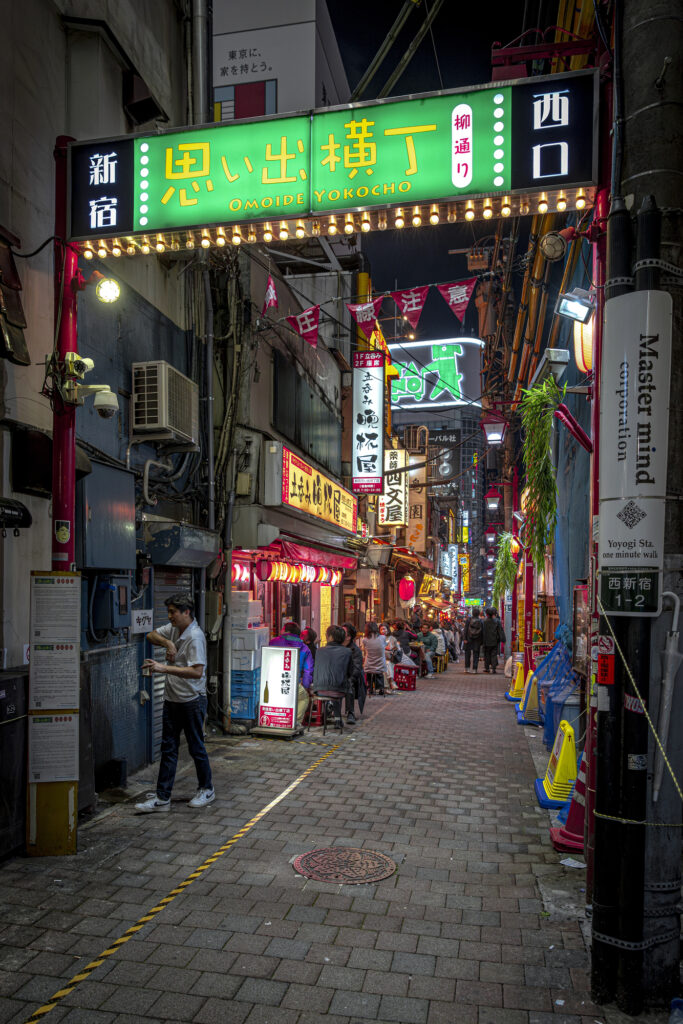
The entrance to Omoide Yokocho, Shinjuku, Tokyo, Japan, Photo by jukai5, DepositPhotos.com
Omoide Yokocho vs. Golden Gai: What Is the Difference and Which Should I Visit?
I have been to Golden Gai four times as many times as I have been to Omoide Yokocho. I say this not as a recommendation, but as a confession. Because if I had understood from the beginning what each place actually is and what it is actually for, I would have visited them both every single time, in the correct order.
Let me save you several years of confusion.
Omoide Yokocho is where you eat. It is open to the street, warm, convivial, and immediately welcoming even if you have never been to Japan before. The stalls are open-fronted so you can see the grills and the food and the cooks before you commit. You point at things. You sit elbow-to-elbow with strangers. You eat yakitori and drink beer and feel like a local. It is the perfect entry point into Shinjuku’s nightlife. Do this first.
Golden Gai is where you drink. It is also a maze of narrow alleys, but instead of food stalls, it is a labyrinth of tiny, eccentric bars, most of which seat ten people maximum and have a distinct theme: jazz bars, horror movie bars, wrestling bars, bars owned by the same person for forty years who will tell you their entire life story in Japanese whether you understand it or not. Golden Gai is more intimate, more intense, and frankly more intimidating than Omoide Yokocho. Some bars post cover charges. Some have a “regulars only” vibe that you have to push through. It rewards persistence. Do this after you have eaten.
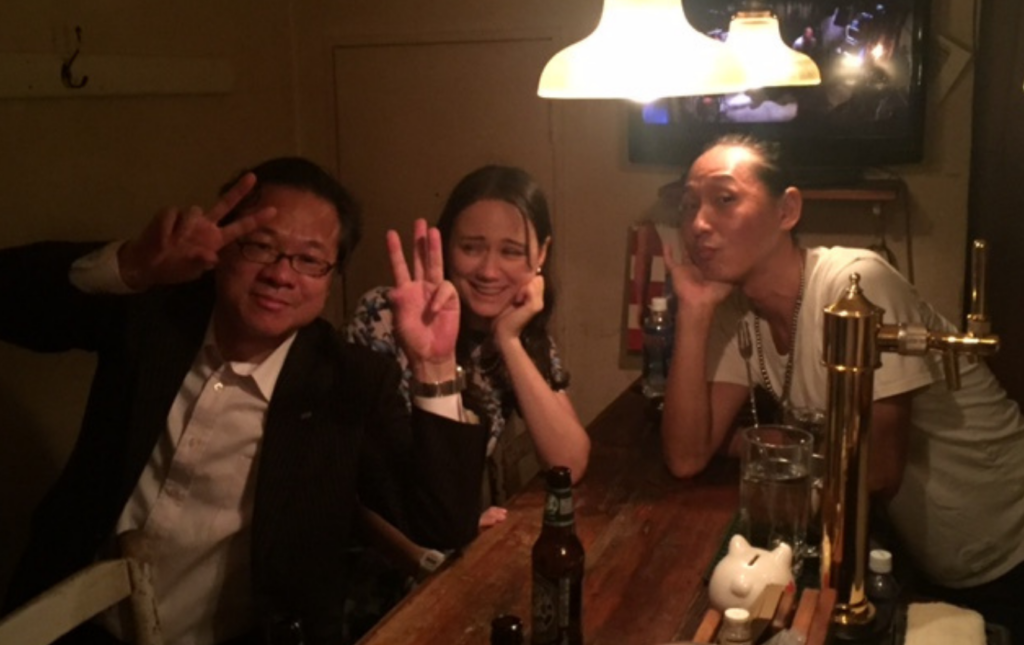
The verdict: They are not competitors. They are a sequence. Dinner in Omoide Yokocho, drinks in Golden Gai, and then, if you have any remaining strength and dignity, finish at the Thermae-Yu hot spring spa just minutes away in Kabukicho. It is open until 3am, has multiple indoor and outdoor baths, and is the single greatest idea for ending a big Tokyo night that I have ever encountered. Your feet, your back, and your future self will all be grateful.
| Omoide Yokocho | Golden Gai | |
|---|---|---|
| Primary purpose | Food (yakitori, stews) | Drinking (themed micro-bars) |
| Atmosphere | Open, warm, smoky, convivial | Intimate, eccentric, occasionally intimidating |
| Good for first-timers? | Yes, immediately | Yes, but takes a little nerve |
| Seat count per venue | 6 to 8 per stall | 5 to 10 per bar |
| Best visited | First (before Golden Gai) | Second (after Omoide Yokocho) |
| Similar Netflix vibe | Midnight Diner | Lost in Translation |
Two great options depending on how deep you want to go into Shinjuku’s night side.
Book the Shinjuku Historical Walking Tour and Secret Backstreets Book The Dark Side of Tokyo Night Walking Tour (Kabukicho)
What Should I Do After Omoide Yokocho and Golden Gai?
Thermae-Yu: Tokyo’s Best Hot Spring Spa
There is a version of this evening that ends at 10pm with sensible shoes and a good night’s sleep. That version is fine. It is perfectly respectable.
Then, there is the version where you walk two minutes from Golden Gai to Thermae-Yu, Tokyo’s largest hot spring spa, which is open 24 hours a day all day every day. You strip off, slip into the water, and spend an hour in a state of total bliss while the hum of late-night Shinjuku continues on outside. You can alternate between the indoor baths, the outdoor rooftop onsen, and the sauna, for as long as your legs will carry you.
The full Shinjuku evening sequence: Omoide Yokocho, then Golden Gai, then Thermae-Yu. It can take as long as you want because Thermae-Yu never closes.
What Are the Other Best Places to See in Shinjuku?
Omoide Yokocho and Golden Gai are the atmospheric soul of Shinjuku, but the neighborhood has more going on than its alleyways. Here is what else deserves your time while you are in the area.
Kabukicho
Tokyo’s most notorious entertainment district, immediately north of Omoide Yokocho. Neon signs the size of apartment buildings. Pachinko parlors. Hostess clubs. Instant friends waiting to be hired (see Brendan Fraser’s “Rental Family” film if you don’t know what I’m talking about). Kabukicho is loud and brazen and genuinely alive at midnight in a way that most city nightlife districts are not. Walk through it, and do not be afraid. You will be fine. Just be warned that you may be talked into coming into a bar for one drink by a tout on the street, and it will be a really expensive bar. And you will not be able to leave until you pay. Foreign men are usually the target here.
Shinjuku Gyoen National Garden
The antidote to all of the above. One of Tokyo’s great green lungs, combining French formal gardens, English landscape design, and a traditional Japanese garden into a single massive park. Cherry blossom season here is extraordinary. Come in the afternoon before your Omoide Yokocho evening and you will have covered the full Shinjuku tonal range in a single day.
Takashimaya Times Square
Shinjuku’s most impressive department store, with twelve floors including a spectacular basement food hall (the depachika) that will briefly make you reconsider ever cooking again. Go here for high-end souvenirs, absurdly perfect fruit, and the existential experience of watching beautifully arranged food that costs more than your flight.
Where Should I Stay When Visiting Omoide Yokocho and Shinjuku?
If you are planning a night in Omoide Yokocho, followed by Golden Gai, followed by Thermae-Yu, you will want to stay close enough that you can walk home. Which means: stay in Shinjuku.
Shinjuku is also one of Tokyo’s best-connected transport hubs, meaning it works as a base even if your days are taking you to Shibuya, Harajuku, Akihabara, or further afield.
Stay close enough to walk home from Piss Alley. Shinjuku has hotel options at every price point, from budget capsules to full-service towers with Mount Fuji views.
Is Omoide Yokocho Worth Visiting?
Here is the honest thing about Omoide Yokocho: it is not going to blow your mind with jaw-dropping architecture or a bucket-list museum. It is a narrow alley of tiny restaurants that have been serving yakitori since before most of our parents were born. You will sit so close to strangers that you will know exactly what they ordered. You will go home smelling of charcoal smoke. You will probably eat more chicken organs than you planned to.
And it will be one of the nights in Tokyo you remember most.
That is what good travel does. It is not always the place at the top of every must-see list. Sometimes, it is simply a cold beer on a wooden stool with smoke in your eyes and skewers on the grill and eight strangers who are about to become your table neighbors for the next hour.
Go to Omoide Yokocho. Eat the yakitori. Drink the highball. Then, go to Golden Gai and drink some more. Then, just when you think the night is over, go to Thermae-Yu and sink into the water and watch the city glow from up high and think: yes. This was the right choice.
Frequently Asked Questions about Omoide Yokocho and Places to See in Shinjuku
What is Omoide Yokocho?
Omoide Yokocho (Memory Lane) is a narrow alley of small yakitori bars and food stalls near the west exit of Shinjuku Station in Tokyo, Japan. Also known as Piss Alley, it has been operating since the late 1940s and is one of the most atmospheric and historically significant eating and drinking streets in Tokyo. It is considered one of the best places to see in Shinjuku for visitors who want an authentic, old-Tokyo dining experience.
Why is Omoide Yokocho called Piss Alley?
Omoide Yokocho earned the nickname Piss Alley in the late 1940s when it operated as an informal, largely illegal drinking quarter near Shinjuku Station. The area lacked bathroom facilities, so patrons would relieve themselves on the nearby train tracks. The nickname stuck. The area has adequate bathroom facilities today, and the official name remains Omoide Yokocho (Memory Lane).
Where is Omoide Yokocho located?
Omoide Yokocho is located immediately outside the west exit of Shinjuku Station in Tokyo, Japan. It runs parallel to the JR Yamanote Line tracks and is less than two minutes’ walk from the station’s west exit ticket gates. Look for the lanterns and follow the smell of charcoal smoke.
What is the difference between Omoide Yokocho and Golden Gai?
Omoide Yokocho is primarily a food destination: an alley of open-fronted yakitori grills and small restaurants where the focus is eating. It is warm, accessible, and immediately welcoming to first-time visitors. Golden Gai, also in Shinjuku, is primarily a drinking destination: a network of narrow alleys lined with tiny, themed micro-bars, most seating fewer than ten people. Golden Gai is more intimate and occasionally more intimidating than Omoide Yokocho. The recommended sequence is: dinner at Omoide Yokocho first, then drinks at Golden Gai.
What should I eat at Omoide Yokocho?
The essential dishes at Omoide Yokocho are yakitori (charcoal-grilled chicken skewers, served with tare sauce or salt) and nikomi (a thick stew of beef tendon, intestines, and vegetables). Most restaurants also serve offal skewers, grilled vegetables, and other kushiyaki. Vegetarians will find very limited options and are advised to eat before arriving. Most meals cost between 1,500 and 3,000 yen per person including drinks.
What is the Showa era and why does Omoide Yokocho feel like it belongs to it?
The Showa era refers to the reign of Emperor Hirohito in Japan, spanning 1926 to 1989. It encompasses the hardship of World War II, the post-war rebuilding years, and Japan’s extraordinary economic rise. Omoide Yokocho was born in the immediate post-war years of the Showa era and, following a fire in 1999, was deliberately rebuilt to match its original character exactly. Its low wooden buildings, red lanterns, charcoal smoke, and small counter-seating stalls preserve the visual and cultural atmosphere of working-class post-war Tokyo in a way almost nothing else in the city does.
Is Omoide Yokocho good for solo travelers?
Yes. Omoide Yokocho is excellent for solo travelers. The counter-seating format means single diners fit naturally at every stall, and the communal, shoulder-to-shoulder atmosphere makes it easy to strike up conversation with neighbors. It is one of the most welcoming solo dining environments in Tokyo. English menus are not always available, but pointing at what other diners are eating works perfectly well.
What is Thermae-Yu and should I go after Omoide Yokocho?
Thermae-Yu is a large hot spring spa (onsen) in the Kabukicho area of Shinjuku, approximately two minutes’ walk from Golden Gai. It features multiple indoor baths, an outdoor rooftop onsen with Tokyo skyline views, and sauna facilities. It is open 24 hours a day, making it an ideal final stop after an evening in Shinjuku’s alleys. Admission typically runs around 2,400 yen.
Is Omoide Yokocho worth visiting?
Yes. Omoide Yokocho is one of the most atmospheric and historically authentic places to see in Shinjuku and one of the best dining experiences in Tokyo for visitors who want to eat like a local. The combination of great yakitori, cheap drinks, a genuinely old-Tokyo atmosphere, and its proximity to Golden Gai and Thermae-Yu makes it an essential evening stop. It is especially memorable for first-time visitors to Japan.


0 Comments