
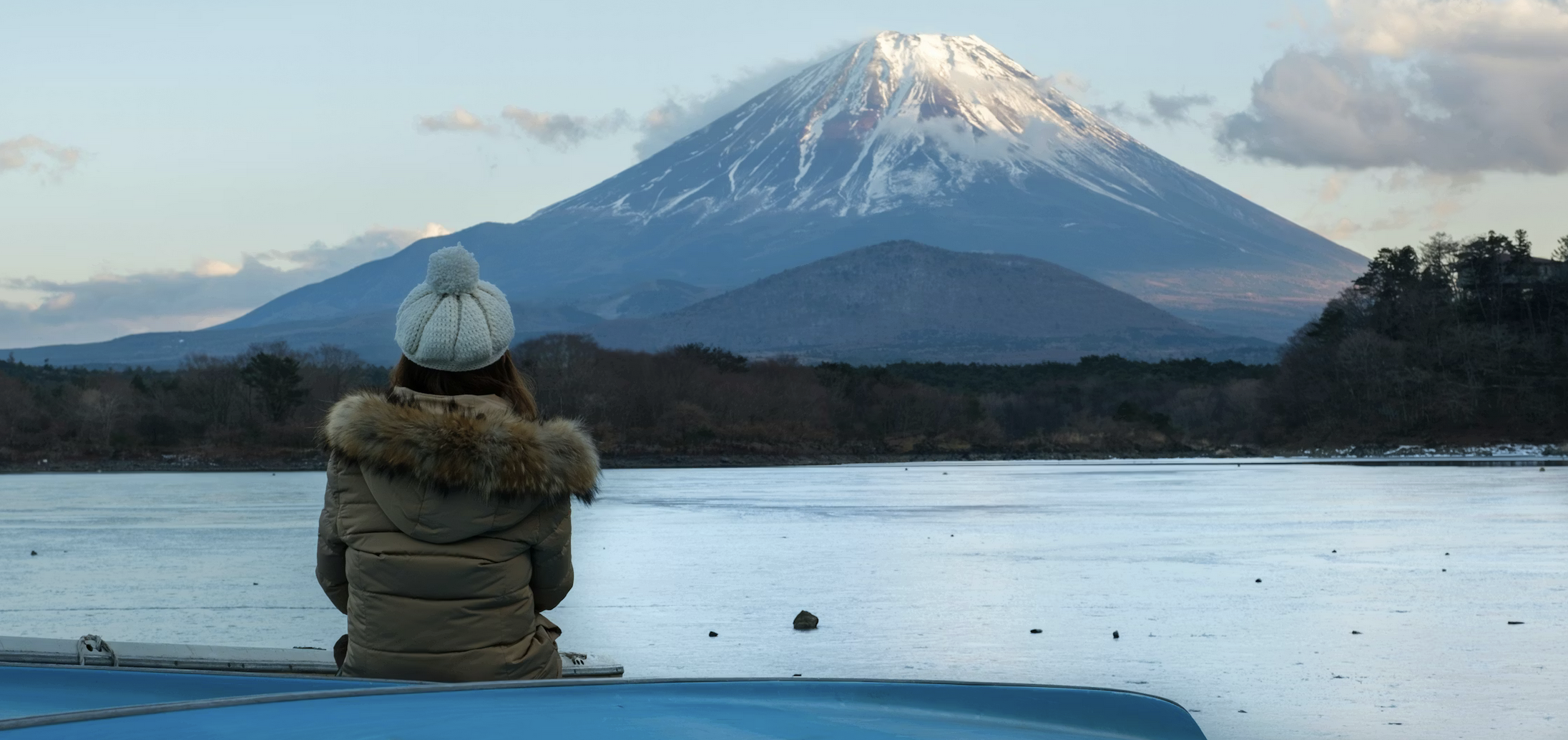
Mt. Fuji is one of the most recognizable natural landmarks in the world and the most famous mountain in Japan. While millions admire Mt. Fuji’s beauty each year, few realize how complex and surprising its history truly is. Let’s learn more about Mt. Fuji today with these 19 incredible facts that might just shock you.
Affiliate disclosure: This post may contain affiliate links. If you make a purchase through one of these links, I may earn a commission at no extra cost to you.
1. Hundreds of thousands of people climb Mt. Fuji every year.
Each year, roughly 200,000 to 300,000 people climb Mt. Fuji during the short official climbing season. The vast majority of climbers ascend in July and August, when weather conditions are safest and mountain huts are open.
What surprises many visitors is how this popularity ties into a famous Japanese proverb: “A wise person climbs Mt. Fuji once. A fool climbs Mt. Fuji twice.” The saying reflects the belief that climbing Mt. Fuji is a meaningful life experience, but one that is so physically demanding and mentally exhausting that repeating it is unnecessary. Despite this saying, thousands of climbers return year after year, drawn back by the challenge, the sunrise, and the unique sense of accomplishment that comes with reaching Japan’s highest peak.
2. Mt. Fuji was once climbed almost exclusively by monks.
For centuries, Mt. Fuji was viewed primarily as a sacred site rather than a destination for recreation. Shugendō practitioners believed that enduring the climb purified the soul and brought spiritual enlightenment.
This religious importance shaped how Mt. Fuji was approached and respected. Early climbers followed ritual paths, prayed at shrines along the way, and treated the summit as a holy space rather than a viewpoint or achievement.
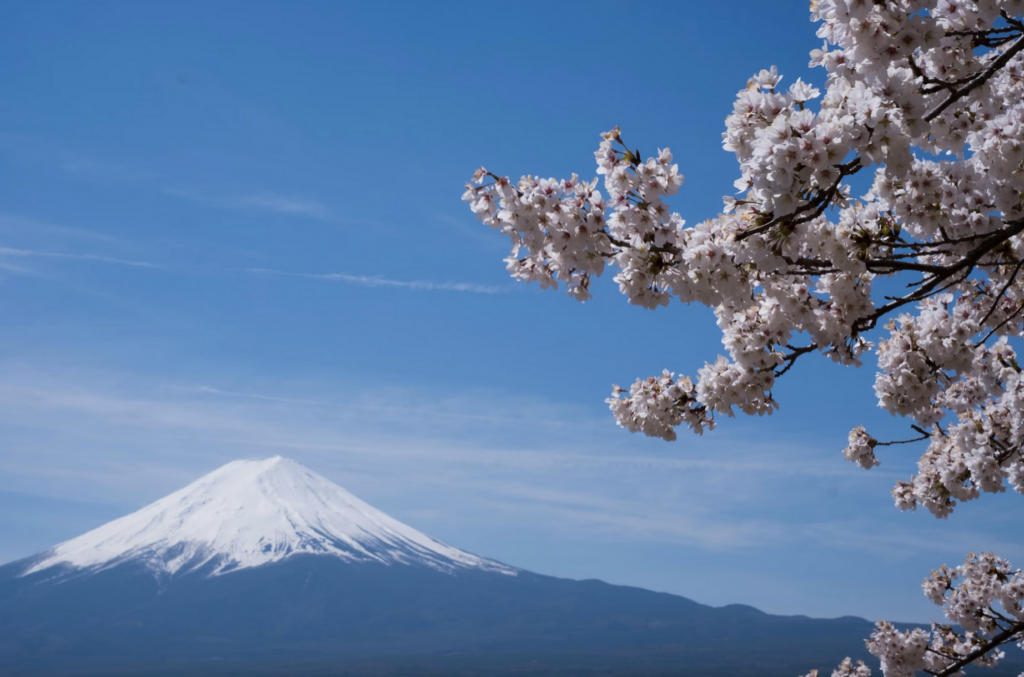
3. Women were banned from Mt. Fuji until the late 19th century.
Until 1872, women were officially prohibited from climbing Mt. Fuji. This restriction stemmed from Shinto and Buddhist beliefs surrounding ritual purity and the presence of female bodies at sacred sites.
Although the ban seems shocking today, it was common across Japan at the time. Its removal marked a major cultural shift during the Meiji era and reflected Japan’s efforts to modernize and adopt more egalitarian social norms.
Would you like to visit Mt. Fuji? Check out these tours!
4. The summit of Mt. Fuji is privately owned.
The very top of Mt. Fuji does not belong to the Japanese government. Instead, it is owned by Fujisan Hongū Sengen Taisha, a Shinto shrine that has long been associated with worship of Mt. Fuji.
This ownership was confirmed in a 1974 court ruling, which surprises many Japanese citizens. It highlights how deeply Mt. Fuji is connected with religion rather than simply being a geographic landmark.
5. Mt. Fuji is much closer to Tokyo than most people expect.
Despite its towering presence, Mt. Fuji is surprisingly accessible. Traveling from Tokyo to Mt. Fuji usually takes around two hours by train or bus depending on the route and destination.
This close proximity explains why Mt. Fuji is visible from Tokyo on clear days and why it attracts so many day trippers. It also means that Mt. Fuji plays a significant role in disaster planning for the capital region.
6. Mt. Fuji is actually made of three volcanoes.
Mt. Fuji is not a single volcanic structure but a composite mountain formed by three overlapping volcanoes. These layers developed over hundreds of thousands of years through repeated eruptions.
Each volcanic phase contributed to Mt. Fuji’s height and shape. The youngest layer, Shinfuji, is responsible for the smooth cone shape most people associate with Mt. Fuji today.
7. Mt. Fuji’s perfect shape is an optical illusion.
From afar, Mt. Fuji appears almost flawlessly symmetrical. This illusion has helped make it one of the most photographed mountains in the world.
Up close, however, Mt. Fuji is rugged and uneven, with deep gullies, sharp ridges, and hardened lava flows. The iconic shape only appears perfect when viewed from specific locations, especially along the route from Tokyo.
8. Mt. Fuji is not snow-capped year-round.
Many visitors assume Mt. Fuji is permanently covered in snow, but this is not the case. During the summer months, much of the snow melts completely.
This seasonal change allows for the official climbing season, which runs from early July to early September. Outside this window, conditions become dangerous due to ice, snow, and extreme weather.
9. There are far more ways to climb Mt. Fuji than most people realize.
Most people think of climbing Mt. Fuji as a straightforward hike up a single trail, but there are many different ways to reach the summit. Mt. Fuji has four main official climbing routes used by the vast majority of hikers with each starting from a different side of the mountain and offering a distinct experience. Some routes are crowded and well supported with huts and facilities where you can sleep, while others are longer, steeper, and far quieter.
Beyond standard hiking, there are less common methods that surprise many visitors. In the past, horses were used to assist climbers on lower sections near the Fifth Stations, particularly to help transport people or supplies. While horseback climbing is no longer a typical way to ascend Mt. Fuji, it remains part of the mountain’s historical climbing culture.
10. A mysterious forest surrounds Mt. Fuji.
Aokigahara Forest lies at the base of Mt. Fuji growing on top of hardened lava from ancient eruptions. The ground is uneven and porous, absorbs sound, and creates an eerie quiet.
The forest’s reputation has often been exaggerated, but its geology alone makes it unusual. Compasses can even behave unpredictably due to iron-rich volcanic rock!
11. Earthquakes played a major role in Mt. Fuji’s formation.
Mt. Fuji sits near the intersection of multiple tectonic plates. This geological setting exposed the region to intense pressure and frequent seismic activity.
Over time, these forces allowed magma to rise repeatedly building the mountain layer by layer. The same tectonic activity continues to shape Japan today through earthquakes and volcanic movement.
12. Temperatures near the summit of Mt. Fuji can be extreme.
Even during the summer, temperatures near the summit of Mt. Fuji can drop below freezing. Wind chill often makes conditions feel even harsher.
Many first-time climbers underestimate these conditions and can become exhausted or even hypothermic. Proper clothing and preparation are essential even for those traveling from warm Tokyo weather. If you’re planning to climb Mt. Fuji, be sure to pack layers, gloves, and a headlight for hands-free climbing.
13. Mt. Fuji has inspired centuries of Japanese art.
Mt. Fuji has been depicted in paintings, woodblock prints, poetry, and literature for centuries. Artists often used the mountain as a symbol of endurance, beauty, and national identity.
Hokusai’s famous prints helped spread the image of Mt. Fuji beyond Japan, which influenced Western artists and shaped global perceptions of Japanese culture.
14. There is a post office at the top of Mt. Fuji.
During the climbing season, a temporary post office operates at the summit of Mt. Fuji. Visitors can send postcards stamped with a unique Mt. Fuji postmark.
This unusual service reflects how popular the climb has become. Mailing a postcard from Japan’s highest point is a memorable way for climbers to mark their achievement.
15. Mt. Fuji is a UNESCO World Heritage Site for cultural reasons.
Mt. Fuji received UNESCO World Heritage status in 2013, but not for its geology or biodiversity. Instead, it was recognized for its cultural and spiritual influence.
This designation acknowledges Mt. Fuji’s role in religion, art, and Japanese identity. Few natural landmarks in the world are honored primarily for their cultural impact.
16. The sunrise from Mt. Fuji has a special name.
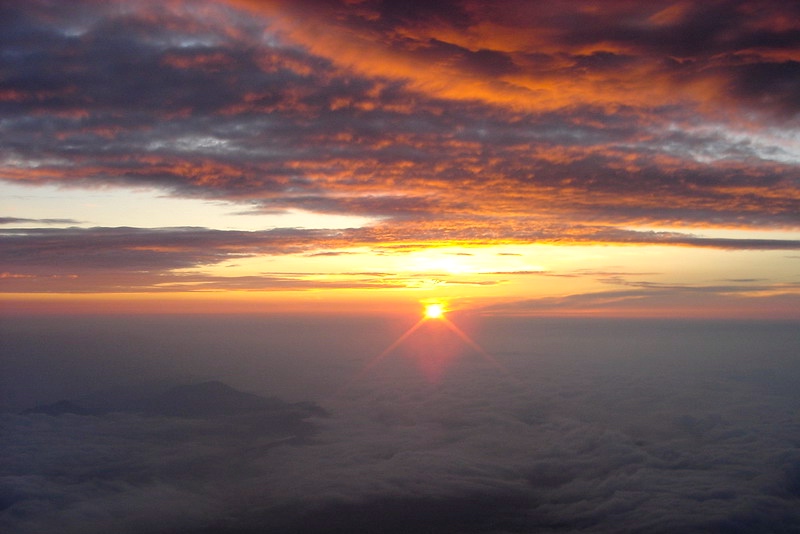
The sunrise viewed from the summit is called Goraikō. Many climbers plan overnight ascents specifically to witness this moment.
For centuries, Goraikō has been seen as a spiritual reward for enduring the climb. Even today, it remains one of the most emotionally powerful experiences associated with Mt. Fuji.
I had the incredible fortune to see this amazing moment of goraikō in the summer of 2005, the only time that I successfully summited Mt. Fuji.
17. People in their 80s regularly climb Mt. Fuji.
Mt. Fuji is physically demanding but does not require technical climbing skills. With steady pacing and preparation, climbers of advanced age regularly reach the summit.
This accessibility has made Mt. Fuji a symbol of perseverance. The climb is often seen as a personal milestone rather than a test of athletic ability.
18. Tourism once threatened Mt. Fuji’s reputation.
Before gaining UNESCO status, Mt. Fuji faced criticism for litter, overcrowding, and environmental damage caused by mass tourism.
In response, Japan implemented strict conservation measures, cleanup efforts, and visitor education programs. These actions helped restore Mt. Fuji’s image and protect its fragile environment.
19. Mt. Fuji will erupt again someday.
Scientists agree that Mt. Fuji will eventually erupt again even if the exact timing is unknown. Geological evidence shows a long history of periodic eruptions.
Because of the dense population between Tokyo and Mt. Fuji, detailed emergency plans are already in place. The mountain’s beauty exists alongside very real natural risk.
Conclusion
Mt. Fuji is far more than a Japanese icon. It is a living volcano, a sacred site, and a cultural force that has shaped Japan for centuries. Whether viewed from Tokyo or climbed in person, Mt. Fuji commands respect as much as admiration. I hope that these facts about Mt. Fuji have inspired you to respect this incredible mountain even more and maybe even climb it for yourself one day.



0 Comments