
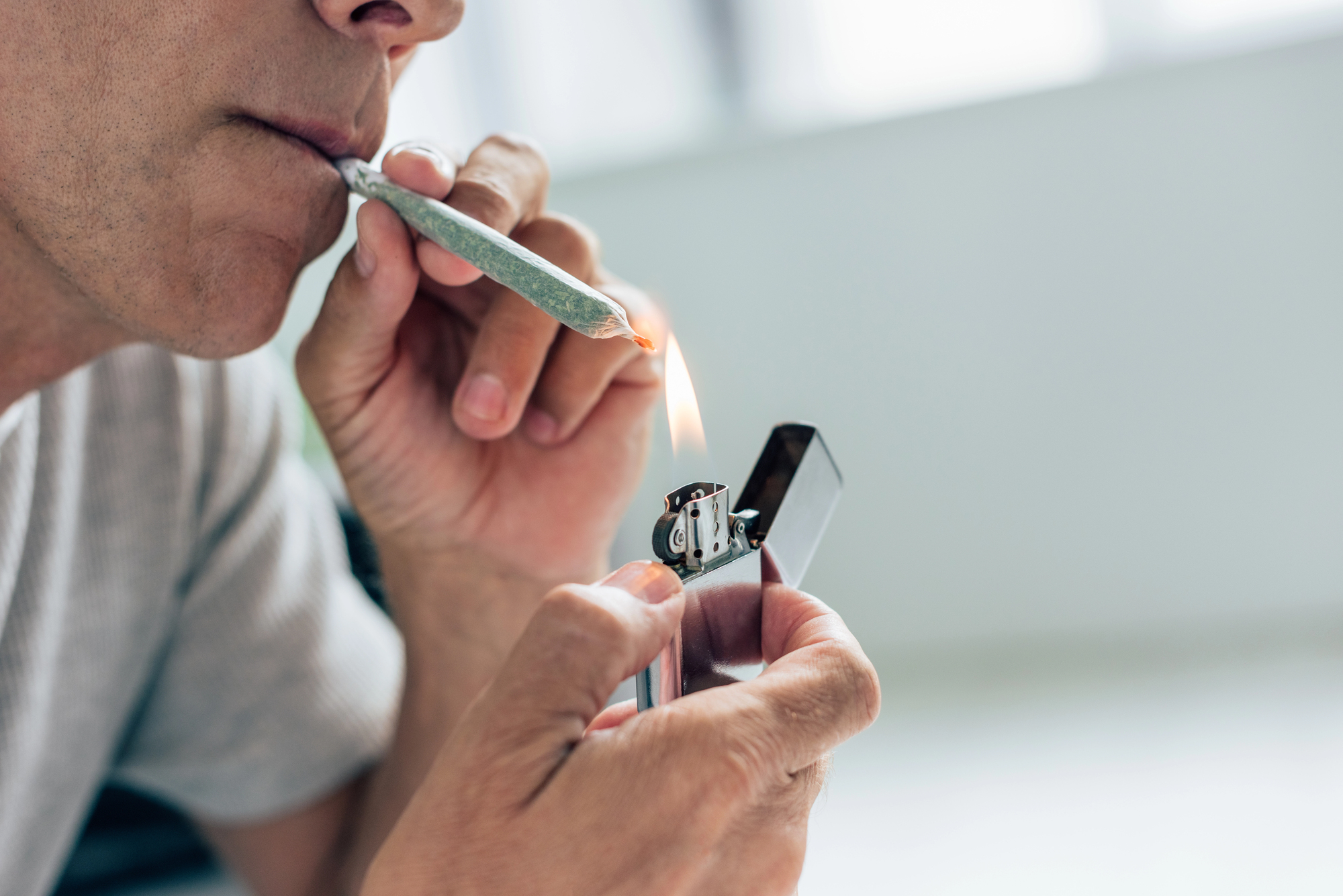
Drug laws in Japan are some of the strictest in the world with zero tolerance for most substances. These rules reflect strong cultural opposition to drugs and aim to protect public health. So, for anyone asking “Can you smoke weed in Japan?” the clear answer remains no. Travelers to Tokyo, Osaka, or elsewhere face serious risks if they ignore these regulations. Recent changes have tightened cannabis rules while also allowing it for limited medical uses.
In this article, we are going to look at the drug laws in Japan and also the rules about detention when you do break a law or the Japan authorities consider that you might have broken a law. Although many countries have relaxed their drug policies over the last several years, Japan is a huge exception to this. Let’s dive in and look at the current drug laws in Japan so you don’t make any mistakes that may risk you being able to return to this beautiful country.
Is Weed Legal in Japan?
Can you smoke weed in Japan? No, recreational cannabis is completely illegal. The Cannabis Control Act bans possession, use, cultivation, sale, import, and export of marijuana and THC-containing products. Amendments effective from December 2024 criminalized personal use for the first time, which closed a previous loophole where consumption itself avoided direct penalties.
Medical cannabis remains heavily restricted. While reforms legalized certain cannabis-derived pharmaceuticals under strict prescription controls, smokable marijuana or general recreational access stays prohibited. Foreign prescriptions or approvals from other countries offer no protection in Japan.
While this may sound strict, it is not all bad news. During my time living in Japan, I have met several people who moved to Japan to get over their addictions to smoking weed. When marijuana is not easily available or you run the risk of being deported from Japan for being caught with drugs, kicking the habit becomes much easier.
What Are the Penalties for Smoking Weed in Japan?
Penalties for cannabis offenses rank among the world’s harshest under drug laws in Japan. Possession, use, or transfer can now lead to up to seven years in prison. This applies even to small amounts with fines often added in trafficking cases.
Cultivation, import, or export carries up to ten years imprisonment and substantial fines, which are even higher for profit-driven activities. Foreign nationals typically face deportation after serving sentences plus long-term bans on re-entry. High conviction rates make these cases difficult to fight once arrested.
American playwright and actor Jeremy O. Harris, best known for the Tony-nominated Slave Play and his work on Euphoria and Emily in Paris, was arrested in Japan in November 2025 on suspicion of attempting to smuggle drugs after customs officials at Naha Airport in Okinawa found 0.78 grams of MDMA in his bag. Japanese authorities noted the case against Harris as part of a broader pattern of high-profile foreign drug arrests in the country, which include former Australian rugby league player Blake Ferguson in 2021 and former Beatle Paul McCartney in 1980, when McCartney was arrested for carrying marijuana and subsequently banned from entering Japan for years.
What CBD and Hemp Products Are Allowed in Japan?
CBD products are legal only if they contain zero detectable THC and derive from mature hemp stalks or seeds. You can purchase THC-free CBD items like oils or gummies in some stores across Japan.
Any trace of THC risks severe penalties including arrest. Always choose certified zero-THC options and avoid imports without verification. Hemp cultivation for industrial use requires licenses, but personal or unregulated products can lead to trouble under strict enforcement.
Can I Bring Methamphetamine to Japan?
Japan’s Stimulants Control Act heavily restricts methamphetamine and similar substances. Possession or use typically results in up to ten years in prison, reflecting ongoing concerns about abuse.
Trafficking or production can lead to life imprisonment and massive fines. Meth remains one of the most commonly encountered illegal drugs in enforcement actions. Authorities prioritize cracking down on both users and suppliers to deter spread.
Rules for Narcotics Such as Heroin and Cocaine
Narcotics like heroin and cocaine fall under the Narcotics and Psychotropics Control Law with severe restrictions. Heroin possession often carries up to ten years imprisonment, while cocaine cases frequently see seven-year terms for basic offenses.
Import, export, or supply intent escalates punishments to life sentences in serious cases. These drugs receive zero tolerance with penalties increasing based on quantity, intent, or repeat offenses. Enforcement remains rigorous nationwide.
What Are the Penalties for Opioids and Psychotropics in Japan?
Opioids such as fentanyl follow narcotic classifications with tough penalties similar to heroin. MDMA (ecstasy) and psilocybin mushrooms bring up to seven years for possession or use.
Other psychotropics and solvents incur shorter jail terms or fines depending on the substance. Japan’s broad anti-drug framework covers these comprehensively with little room for leniency.
Recent Changes to Japanese Drug Laws
In December 2024, Japan implemented major amendments to the Cannabis Control Act and related laws. These criminalized cannabis use explicitly, raised possession penalties to seven years, and reclassified THC as a narcotic.
The reforms also enabled regulated medical cannabis-derived pharmaceuticals while maintaining strict recreational bans. Changes addressed rising concerns about drug use in younger populations. No major changes have been enacted since, which keeps drug laws in Japan among the toughest globally.
Detention Rules in Japan’s Criminal Justice System
Japan’s system permits extended pre-indictment detention, often called “hostage justice.” After arrest, police can hold suspects for up to 48 hours before presenting to prosecutors, who then have 24 hours to seek a judge’s detention order.
Once approved, initial detention lasts up to 10 days, extendable by another 10 days (and sometimes more in exceptional cases), reaching a maximum of 23 days before formal charges or release. Drug cases frequently see the full period applied with limited access to bail early on.
This lengthy hold has drawn international criticism for enabling pressure tactics. Foreigners often face added restrictions as flight risks. Contact your embassy immediately if detained.
A friend of mine in Japan mistakenly forgot to buy for some items in a convenience store that he had placed in his personal bag while walking around the shop. He ended up being held for 21 days in a Japanese jail facility while fighting his case after being apprehended outside of the store and resisting the charges. This really brought it home for me that tourists and residents need to be careful.
Advice for Travelers: Avoiding Drug Issues in Japan
Never bring any drugs into Japan, including cannabis, even in tiny amounts or prescribed forms without advance approval. Customs screen rigorously, and violations lead to immediate arrest.
If facing detention, remain calm, exercise your right to remain silent, and request legal and consular assistance promptly. Understanding drug laws in Japan is incredibly important and may prevent you from facing life-changing consequences. Stay informed via official sources for the safest visit to this beautiful country.


0 Comments