
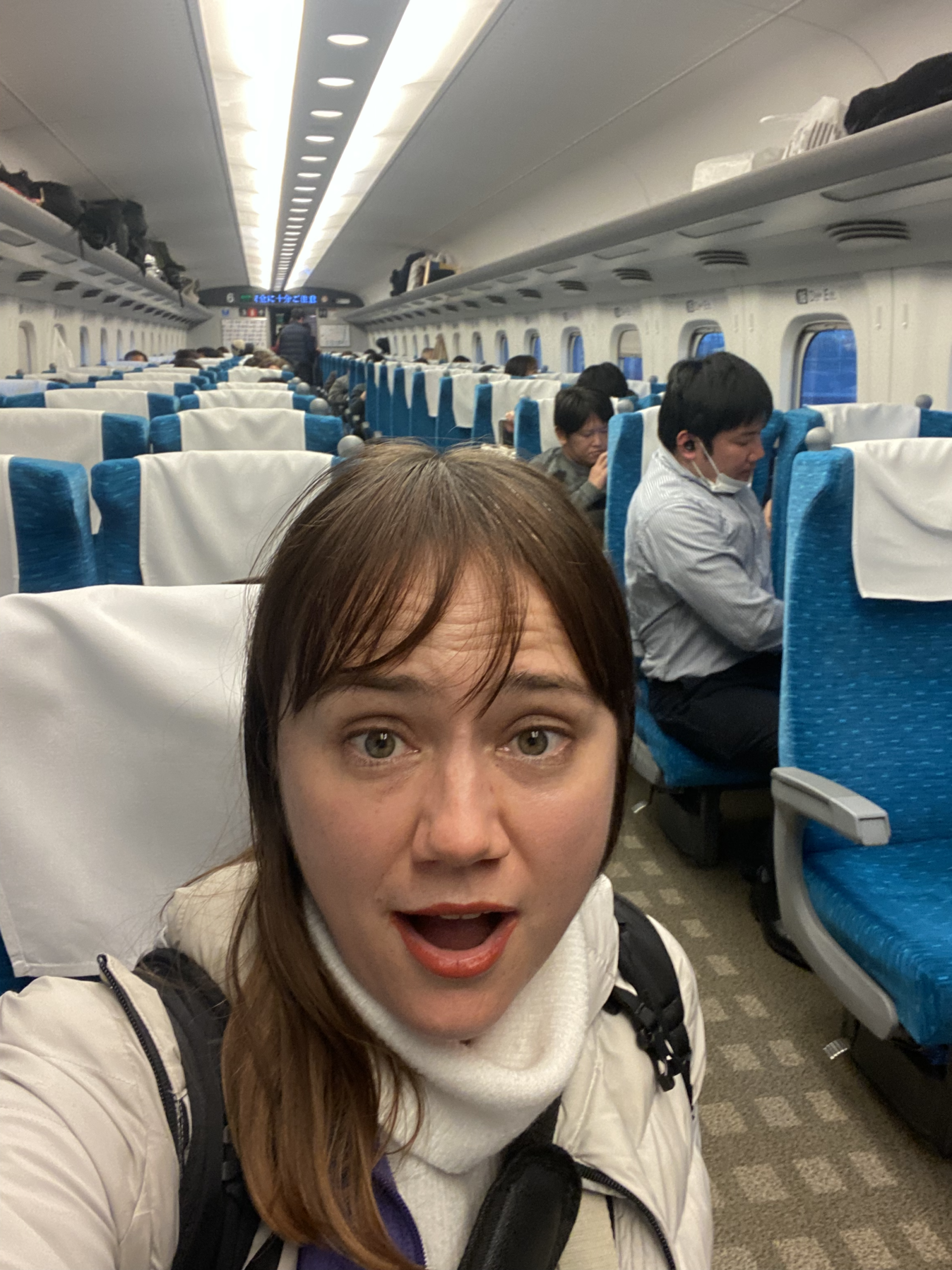
Japan is a country of remarkable contrasts: ancient temples and neon-lit skyscrapers, centuries-old rituals and cutting-edge technology, profound quiet and bustling city life. For visitors, this combination is endlessly fascinating, but it also means that everyday behavior is governed by social rules that may not be immediately obvious. Many of these customs are rooted in ideas of respect, harmony (wa), cleanliness, and consideration for others.
To help you avoid awkward moments and better understand daily life in Japan, here are 26 important things NOT to do in Japan. These cover food etiquette, public behavior, hot spring-related customs, transportation, and everyday interactions. Understanding these unspoken rules will not only help you blend in more easily, but it will also deepen your appreciation for Japanese culture.
Knowing these things definitely helped me fit in much better during my 13 years in Japan, but it took years for me to learn all of them. Today, I’m giving you the shortcuts you need to be a Japan-savvy traveler TODAY, not tomorrow.
If you’re planning a trip and searching for things not to do in Japan, this guide will help you avoid the most common cultural mistakes travelers make. Many of these rules are not written down, but locals notice them immediately.
1. Don’t speak loudly in public spaces
Japan places a high value on maintaining a calm, peaceful atmosphere in shared environments. Speaking loudly, especially on public transportation, can draw uncomfortable attention. Trains, buses, and even cafés are generally quiet places where people keep conversations low or avoid talking altogether. If you need to take a phone call, it’s best to step outside or speak as softly as possible.
2. Don’t talk on the phone on trains
While silence is appreciated everywhere, phone calls on trains are particularly frowned upon. Most trains display signs asking passengers to switch phones to silent mode. Texting, browsing, or quietly watching videos with headphones is acceptable, but phone conversations are considered disruptive. Even locals will often ignore incoming calls until they exit the train.
3. Don’t tip at restaurants
Unlike many Western countries, tipping is not customary in Japan and can actually cause confusion or discomfort. Service is included in the price, and excellent hospitality is considered part of professional pride rather than something earned through gratuities. Leaving money behind may result in staff chasing you down to return it.
4. Don’t eat while walking
Eating on the go is generally discouraged, particularly in cities and busy areas. Food is meant to be enjoyed mindfully and without making a mess. You’ll often see people stop near vending machines or convenience stores to finish their snacks before moving on. Exceptions exist at festivals or street food markets, but otherwise, find a place to stand or sit before eating.
5. Don’t stick your chopsticks upright in rice
This is one of the most important food-related taboos in Japan. Placing chopsticks vertically into a bowl of rice resembles a ritual performed at funerals when rice is offered to the deceased. Doing this at the table is strongly associated with death and bad luck. Instead, rest your chopsticks on the provided holder or across the bowl.
6. Don’t pass food from chopsticks to chopsticks
Another custom connected to funerary practices, passing food directly from one set of chopsticks to another mirrors the ritual of passing cremated bones of the deceased. If you need to share food, place it on a plate instead. This rule is taken very seriously and is one of the quickest ways to make a meal awkward.
7. Don’t blow your nose in public
Blowing your nose loudly in public is considered impolite and unhygienic. Sniffling quietly is generally preferred. If you really need to blow your nose, excuse yourself and head to a restroom. This can feel counterintuitive for visitors, but it’s a deeply ingrained social norm.
Slurping, on the other hand, is oddly considered normal and even a sign of appreciation for the quality of the food when eating noodles (but not in other fine dining situations).
8. Don’t wear shoes indoors
This is the one that you likely already knew even before your first visit to Japan. Removing shoes before entering a home is standard practice in Japan, and the rule extends to many traditional accommodations, temples, schools, and even some restaurants. You’ll often be provided with slippers. Be sure to follow signage and cues carefully. Wearing outdoor shoes indoors is seen as extremely disrespectful.
9. Don’t forget to change slippers in restrooms
Many homes and establishments provide separate slippers specifically for restroom use. Forgetting to switch back to regular slippers after leaving the bathroom is a common tourist mistake. While not offensive, it’s noticeable and slightly embarrassing. Pay attention to what’s on your feet.
10. Don’t treat business cards casually
In Japan, business cards (meishi) are treated as an extension of the person who gives them. Exchanging cards is a small but highly ritualized moment, especially in professional or semi-formal settings. Cards should be offered and received with both hands, with the text facing the recipient accompanied by a slight bow.
Once you receive a business card, take a moment to read it. Acknowledge the person’s name and role before carefully placing the card on the table or into a dedicated card holder. Never write on a business card, fold it, shove it into a pocket, or casually toss it into a bag. Doing so can be interpreted as disrespectful or dismissive.
Even outside of formal business contexts, treating a card thoughtfully signals cultural awareness and respect, qualities that are highly valued in Japan.
11. Don’t enter a hot spring without washing first
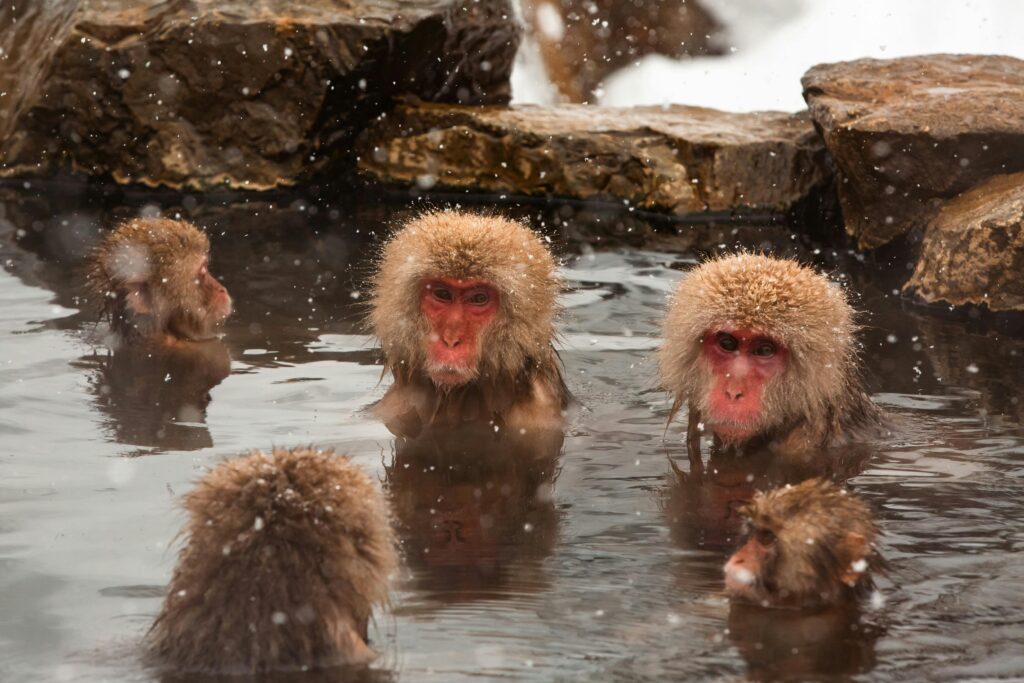
Before entering an onsen (hot spring), washing yourself thoroughly is considered mandatory. This means sitting at the washing station and scrubbing your body completely clean before stepping into the shared bath. The bath itself is for soaking, not cleaning. Skipping this step is considered extremely rude.
12. Don’t bring towels into the hot spring water
In most onsen, guests bring a small towel, but it should never be dipped into the bath. People usually leave it on the side or place it on their head. The water is considered pure, and anything unnecessary entering it is frowned upon.
13. Don’t point at people
Pointing directly at someone is considered impolite. If you need to gesture, use an open hand or subtle movement instead. This applies in shops, restaurants, and social settings.
14. Don’t open gifts immediately (unless encouraged)
When receiving a gift, it’s customary to express gratitude first and wait before opening it, especially in formal or professional contexts. Opening a gift immediately can be seen as greedy or impatient unless the giver specifically invites you to do so.
15. Don’t write names in red ink
Writing a person’s name in red is strongly associated with death and funerals in Japan. Red ink is traditionally used for marking the names of the deceased. For notes, cards, or forms, always use black or blue ink.
16. Don’t stick business cards in your pocket
If you exchange business cards (meishi), treat them with respect. Receive the card with both hands, take a moment to read it, and place it carefully on the table or in a card holder. Shoving it into a pocket or wallet without looking at it can be seen as dismissive.
17. Don’t eat before everyone else
Whether at a casual meal or formal gathering, it’s polite to wait until everyone has been served before starting to eat. Meals often begin with the phrase itadakimasu, expressing gratitude for the food. Starting early can feel inconsiderate.
18. Don’t pour your own drink first
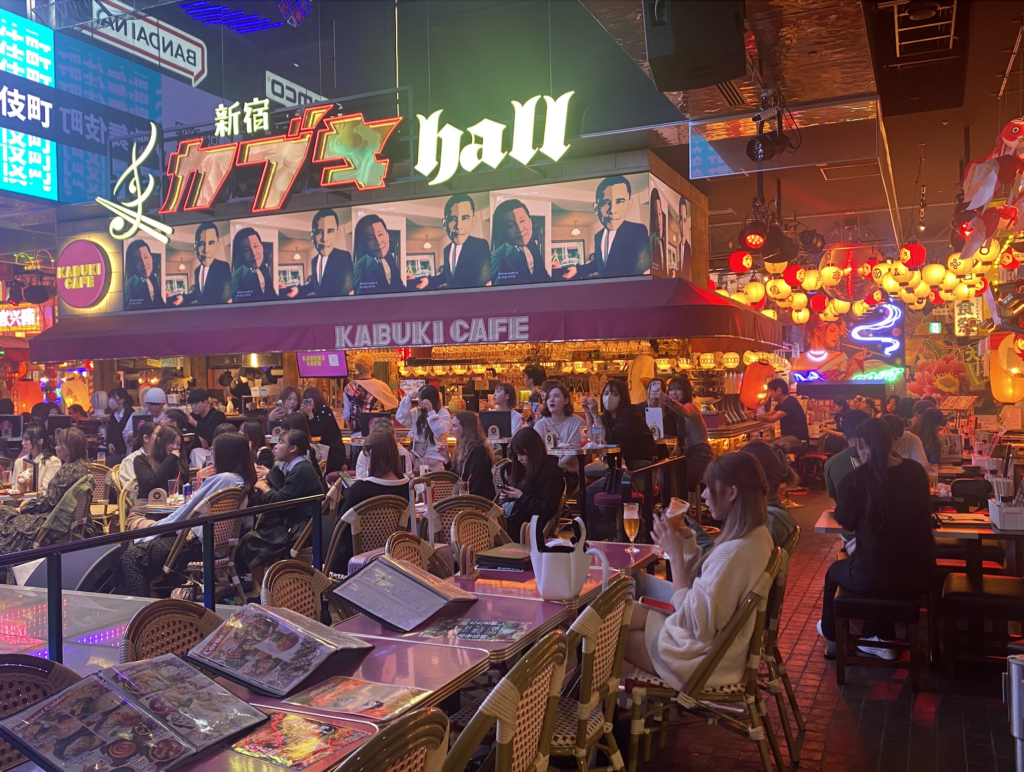
When drinking alcohol in a group, it’s customary to pour drinks for others before yourself. Someone will usually return the favor. This ritual emphasizes group harmony and attentiveness to those around you.
19. Don’t touch shrine objects casually
At Shinto shrines and Buddhist temples, many objects have ritual or spiritual significance. Avoid touching statues, ropes, or offerings unless clearly invited to do so. Follow posted instructions and observe how locals behave before participating.
20. Don’t skip basic line etiquette
Japan is famous for orderly lines. Whether boarding a train, waiting for an elevator, or ordering food, cutting in line or ignoring markers on the ground is unacceptable. Even when things look chaotic, there is almost always a system in place.
21. Don’t expect trash cans everywhere
Public trash bins are surprisingly rare in Japan, yet the streets are remarkably clean. People are expected to carry their trash with them until they find a proper place to dispose of it. Planning ahead with a small bag can be very helpful.
22. Don’t bring strong-smelling food onto trains
While eating on long-distance trains like the Shinkansen is acceptable, strong odors are discouraged. Foods with overpowering smells can bother fellow passengers in close quarters. Choose something mild and tidy.

23. Don’t assume tattoos are accepted in hot springs, gyms, or pools
In Japan, tattoos are still commonly associated with organized crime (yakuza), and because of this history, many public facilities restrict entry to people with visible tattoos. This is especially true for onsen (hot springs), public baths, gyms, swimming pools, and even some beaches.
If you have tattoos, do not assume you’ll be allowed to enter simply because you are a foreign visitor. Some establishments have clear signs prohibiting tattoos, while others may enforce the rule quietly at the entrance. In recent years, a growing number of onsen have become more flexible, allowing small tattoos if they are covered with adhesive patches, but this varies widely by location.
The best approach is to check the rules in advance, ask politely, or look for tattoo-friendly or private onsen. Ignoring posted rules or trying to hide tattoos without permission can put staff in an uncomfortable position and disrupt the atmosphere of shared relaxation that these spaces are meant to preserve.
24. Don’t bring large luggage onto the Shinkansen without planning ahead
If you’re traveling on Japan’s bullet trains (Shinkansen)—especially on the Tokaido, Sanyo, and Kyushu lines—you need to plan ahead if you have large luggage. Japan has introduced specific baggage rules to keep aisles clear, stations moving efficiently, and travel comfortable for everyone.
Any suitcase with total dimensions (length + width + height) over 160 cm is considered oversized. These bags must be reserved in advance by booking a seat with an oversized baggage area, usually located at the back of certain cars. There is no extra fee, but availability is limited and can sell out during busy travel periods.
If you arrive with oversized luggage without a reservation, you may be asked to move to a different seat or in some cases pay a ¥1,000 handling fee. Very large luggage over 250 cm total dimensions is not allowed on the Shinkansen at all.
Smaller suitcases (under 160 cm total) can be stored in the overhead racks or kept in front of your seat, provided they don’t block aisles or exits.
To avoid stress altogether, many travelers use takkyubin (luggage forwarding services) to send large bags directly between hotels or to the airport. It’s affordable, reliable, and widely used in Japan especially by locals.
25. Don’t wear strong perfume or cologne
In Japan, strong personal scents are generally discouraged. Wearing heavy perfume or cologne can be considered inconsiderate, especially in enclosed or shared spaces such as trains, buses, elevators, offices, restaurants, and theaters.
Japanese culture places a high value on cleanliness and not imposing on others. Strong fragrances can linger and affect people with sensitivities, allergies, or nausea. Because public transportation is often crowded and quiet, noticeable scents can feel intrusive rather than pleasant.
This preference for subtlety extends to many areas of daily life. Most personal care products in Japan are lightly scented or fragrance-free, and many workplaces actively discourage or ban strong fragrances altogether.
If you choose to wear perfume in Japan, keep it very light or skip it entirely. Clean, neutral scents are always safer than bold or sweet fragrances.
26. Don’t insist on paying individually at group meals
In Japan, group meals are typically paid for as a single bill, then split evenly among everyone at the table. This custom is known as warikan and is common among friends, coworkers, and casual social groups.
Insisting on itemized checks or exact individual payments can feel awkward or disruptive, especially in busy restaurants where staff are not set up to handle multiple payments for one table. Many places will assume one person is paying and may not even ask how the bill should be divided.
Even if some people ordered more or less, the expectation is usually to split the total evenly. This reflects the cultural emphasis on group harmony and avoiding uncomfortable calculations or debates over money.
There are exceptions. In formal business settings, a senior person may treat the group. In very casual situations among close friends, people may transfer money digitally afterward. However, asking for separate checks at the table is still uncommon.
If you are invited out by locals, follow their lead. Offering to contribute your share is polite, but pressing for precise individual payment can create unnecessary tension.
Also, if a Japanese friend insists on paying for you, accept it, but be prepared to return the favor (without asking) the next time you meet, even if the friend first insists that they can pay for themselves.
Final Thoughts
Japan is incredibly welcoming to visitors, and locals are often forgiving of honest mistakes. Still, understanding these things not to do in Japan will help you move through the country with greater ease and confidence. These “don’ts” will help you to become more aware of others, of shared spaces, and of traditions shaped over centuries.
Approach Japan with curiosity, humility, and attentiveness, and you’ll find that the country opens up to you in subtle and deeply rewarding ways, even if you don’t speak Japanese.


0 Comments