
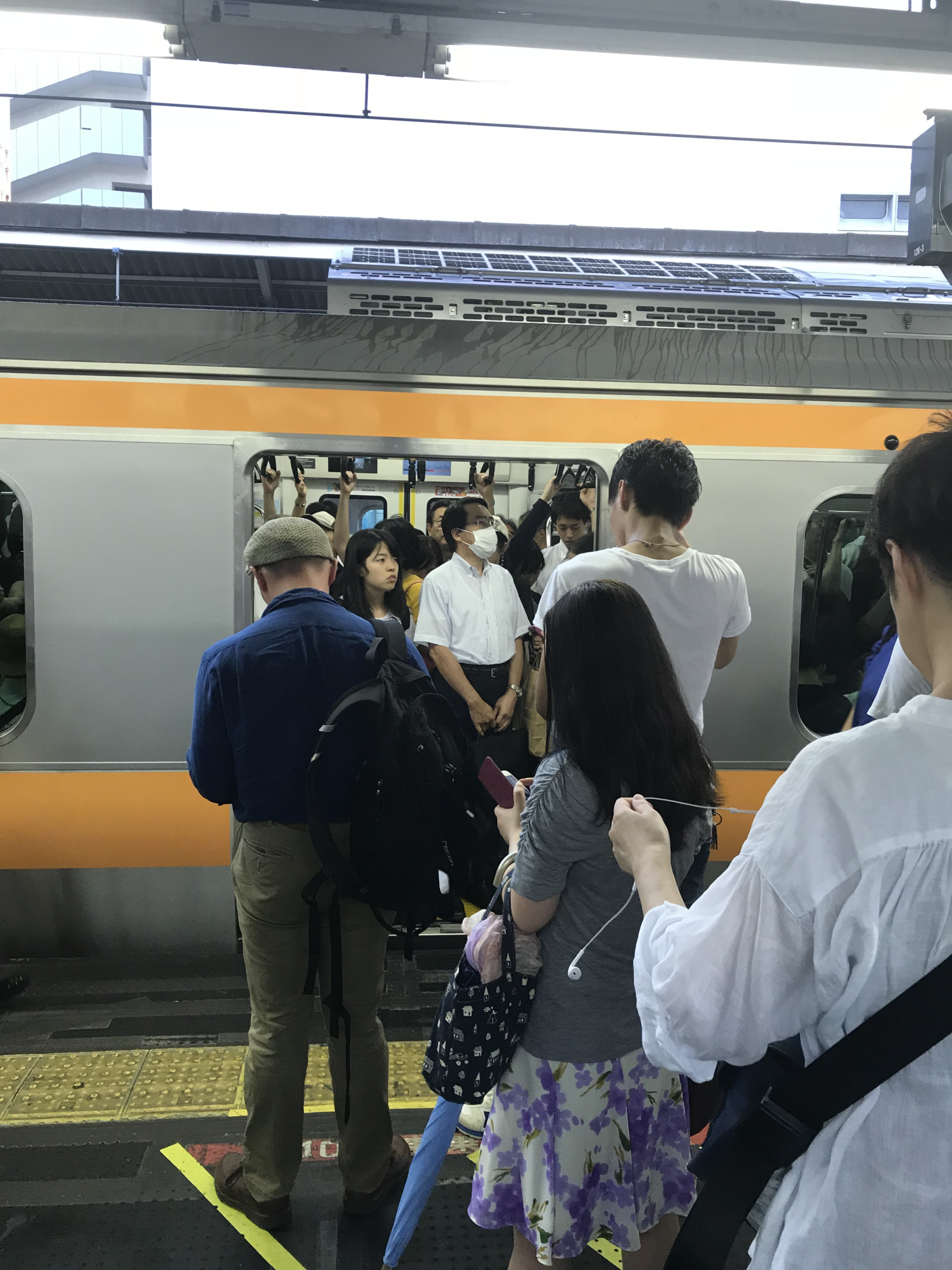
As an American who lived in Tokyo for 13 years and continues to return every year, I have learned a lot about Japan customs. I have to admit that I arrived thinking I was culturally flexible and quickly learned that flexibility in Japan means observing, adjusting, and doing your best not to inconvenience anyone around you. Over the years, I was invited into many Japanese homes, attended countless meals, rode packed commuter trains daily, and had to get used to a new culture quickly. Knowing Japan customs and how the Japanese handle daily life and social harmony will affect how you will be perceived from the moment you land. If this is your first trip, understanding these Japan customs will make your experience smoother, calmer, and far more respectful. Let’s look at 19 different Japan customs that will make you more aware of how to treat the Japanese on your first trip to Japan.
1. Be quiet in restaurants.
Restaurants in Japan are generally calm and subdued. Conversation is welcome, but loud laughter, raised voices, or animated storytelling stand out immediately. Tokyo and Osaka have many tiny restaurants so everyone sits close to each other in restaurants. Dining is considered a shared experience where everyone should be able to enjoy their meal without disruption. I personally witnessed elderly Japanese diners calmly but firmly asking foreign visitors to lower their voices. It was not aggressive, but it was very direct. If the Japanese do actually say something to you, they are often 10 times more upset than the people upset but not saying something.
2. Call when you need something at a restaurant.
The Japanese use “sumimasen” when they need something at a restaurant. Waiters will not come and take your order unless you call “sumimasen.” When you need something, just use this word and they will come. This is also the same for calling for the bill. Just use “sumimasen.”
3. Take your shoes off when entering someone’s home and certain restaurants and temples.
Removing your shoes is one of the most important Japan customs you will encounter and one of the most internationally famous. This applies not only in private homes but also in many traditional restaurants, ryokan, ski lodges, and temples. There is usually a clear signal such as a raised floor or a row of slippers. I was invited into many homes, and removing my shoes was always immediate and expected. People won’t tell you to take off your shoes. You just have to do it. Clean socks matter because once your shoes come off, your feet are fully visible (see #9).
4. Accept food as is unless you have an allergy.
In Japan, meals are prepared with intention, balance, and presentation in mind. Asking for substitutions or modifications is not common amongst the Japanese unless they have a genuine allergy. This Japan custom reflects respect for the person who prepared the meal. Early on, I learned to eat what was served even when it was unfamiliar. Accepting food as offered is seen as polite and appreciative, and it is noticed.
5. Don’t eat and drink on the streets.
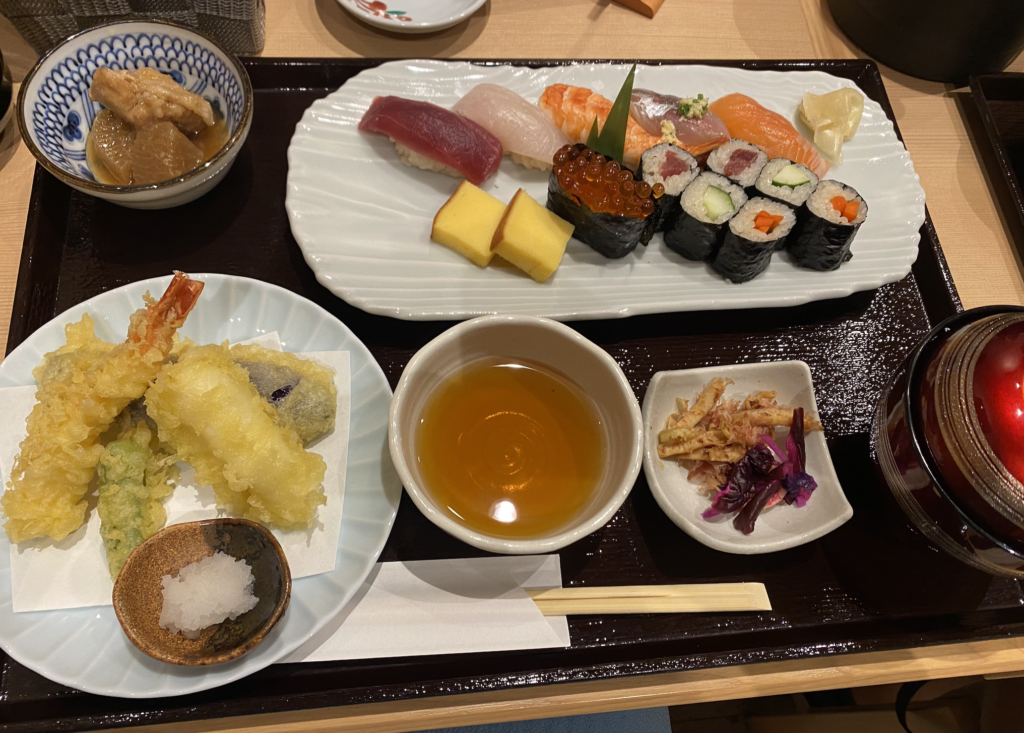
One of the more confusing and also surprising Japan customs for visitors is the expectation not to eat or drink while walking. Despite the abundance of vending machines, people typically consume their drinks beside the machine or take them home. Eating on the street is viewed as messy and inconsiderate. There are exceptions at festivals, but in everyday settings it is best avoided. This rule, by the way, also extends to the trains. Do not eat on the trains – ever.
6. Bring a hand towel in your bag.
This is one of the most practical Japan customs you will learn quickly. Many public bathrooms do not provide paper towels, and hand dryers are often missing or ineffective. Carrying a small handkerchief or hand towel is normal and expected. I always kept one in my bag, just like most people around me.
7. Use headphones to listen to videos or music on the train.
Trains are treated as quiet, shared spaces. Playing sound from your phone aloud is considered intrusive even at low volume. This Japan custom applies to music, videos, games, and notifications. Headphones are essential, and many people keep their phones on silent mode at all times while commuting. This leads us to our next rule.
8. Never have a phone call on the train.
Taking phone calls on trains is one of the strongest social taboos. Clear signage inside train cars asks passengers to refrain from talking on the phone. I personally saw elderly Japanese riders call out foreign passengers who answered calls. The expectation is that if you must speak on the phone, you wait until you exit the train. Text instead.
9. Wear a mask when you are sick.
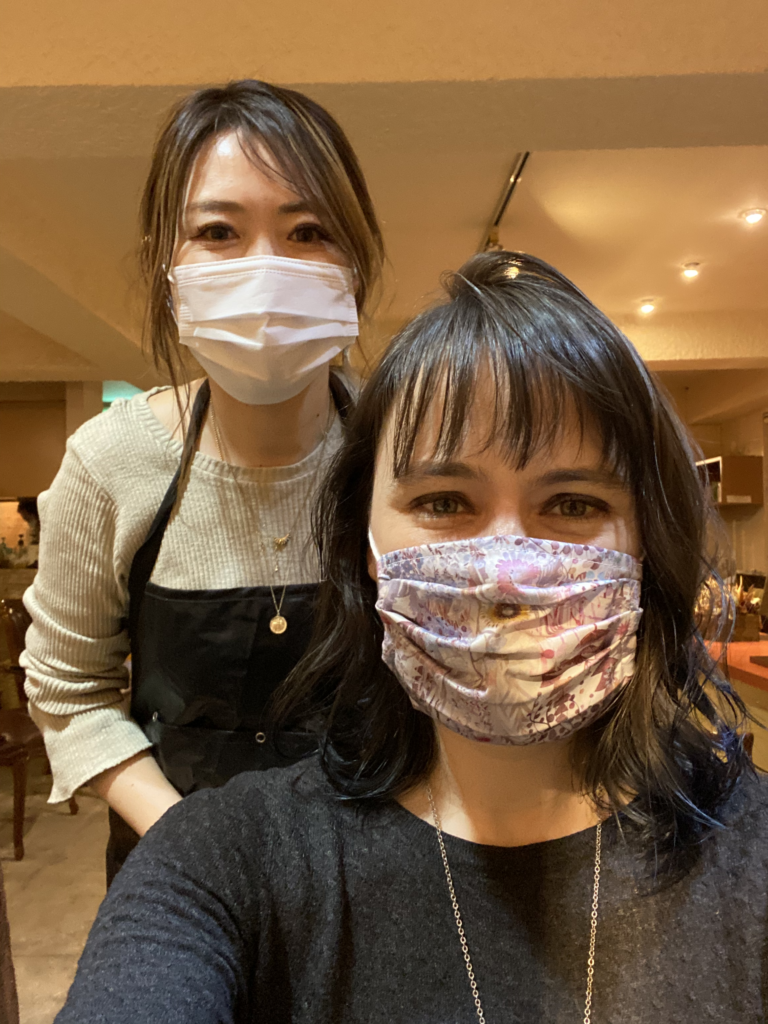
Wearing a mask when ill is a long established Japan custom. This practice dates back to the Spanish flu of 1918 and continues today. Masks are worn to protect others not to draw attention to yourself. If you are coughing or have a cold, wearing a mask is considered responsible and polite. I adopted this habit early and found it deeply ingrained in daily life long before our most recent pandemic.
10. Don’t have any holes in your socks.
Because shoes are removed so often, socks become part of your public appearance. This Japan custom reflects the broader cultural emphasis on cleanliness and presentation. Worn or torn socks suggest carelessness. People may not say anything directly, but judgment does happen quietly. I learned to check my socks before leaving home every day. Sometimes, I bought new tights or pantyhose at a convenience store before going to a Japanese home if I knew that they had gotten a hole in them during my work day.
11. Step out of the way when you need to find something.
Stopping suddenly in busy areas disrupts the flow of movement and that’s a big deal in a city like Tokyo with millions of people. If you need to check your phone, look for directions, or dig through your bag, step to the side. This Japan custom is especially important in train stations and narrow sidewalks. Awareness of how your actions affect others is a constant expectation.
12. Line up to board the train to the right and left of the train cars.
Train platforms have clear markings showing where passengers should line up. People form neat lines on either side of the doors and leave the center open for exiting passengers. This Japan custom is followed with impressive discipline. Cutting in line or blocking exits is immediately noticed and frowned upon, and, sometimes, even called out.
13. Stand on the right, pass on the left on escalators in Tokyo and do the opposite in Osaka.
Escalator etiquette varies by city. In Tokyo, people stand on the right and walk on the left. In Osaka, the sides are reversed (because Osaka likes to be rebellious). This Japan custom is not posted everywhere, but locals follow it instinctively. When in doubt, watch the people in front of you and follow their lead.
14. Don’t put business cards immediately in your wallet or pocket.
Exchanging business cards is a formal ritual. Cards should be received with both hands, briefly read, and placed carefully on the table or in a card holder. Immediately stuffing a card into your pocket suggests disinterest or disrespect. This puts importance on acknowledging the person not just the information.
15. Bring a gift to someone’s home if you are invited.
Arriving empty handed when invited to someone’s home is considered impolite. Gifts do not need to be expensive, but they should be thoughtfully chosen and nicely packaged. Sweets or regional specialties are common. I was invited into many homes and always brought something small as a gesture of gratitude like a bottle of wine or a box of cookies.
16. Don’t go into a hot spring if you have a tattoo.
Many hot springs and public baths restrict entry for people with tattoos due to historical associations with organized crime. I do not have any tattoos, so this rule never affected me personally, but I frequently saw visitors turned away. Some facilities offer private baths or cover options, but checking ahead is essential. If you only have one tattoo or a few small ones, you may get away with covering them with clean, neat bandages.
17. Elevator etiquette matters.
Elevator behavior follows unspoken rules. The person closest to the control panel often takes responsibility for pressing buttons and holding doors. In professional settings, junior staff may operate the elevator for senior people. Pushing past others or blocking doors is considered rude. Calm efficiency is expected.
18. Don’t park your bike just anywhere and always lock it.
Bicycle theft exists, and improper parking is taken seriously. Bikes should only be parked in designated areas and always locked. City workers regularly remove improperly parked bicycles sometimes within minutes. This surprises many visitors who assume bikes are safe anywhere.
19. Don’t drink on the trains.
Although I have seen foreign visitors drinking on Tokyo trains, it is not socially acceptable. This Japan custom separates transportation spaces from social drinking spaces. Alcohol is meant for bars, restaurants, and designated areas. Drinking quietly does not make it acceptable, and locals do notice.
Final Thoughts
Living in Japan for 13 years taught me that Japan customs are about consideration. Each expectation exists to reduce friction and protect shared comfort. Visitors are not expected to be perfect, but they are expected to observe and adapt. If you approach Japan customs with curiosity, humility, and respect, you will experience a society that values harmony and quietly rewards those who make the effort to fit in. It still amazes me how these customs have made a country of over 120 million people the most comfortable country in the world to live in. And if you want to find out more about laws in Japan that you probably didn’t know, check out my post here.



0 Comments